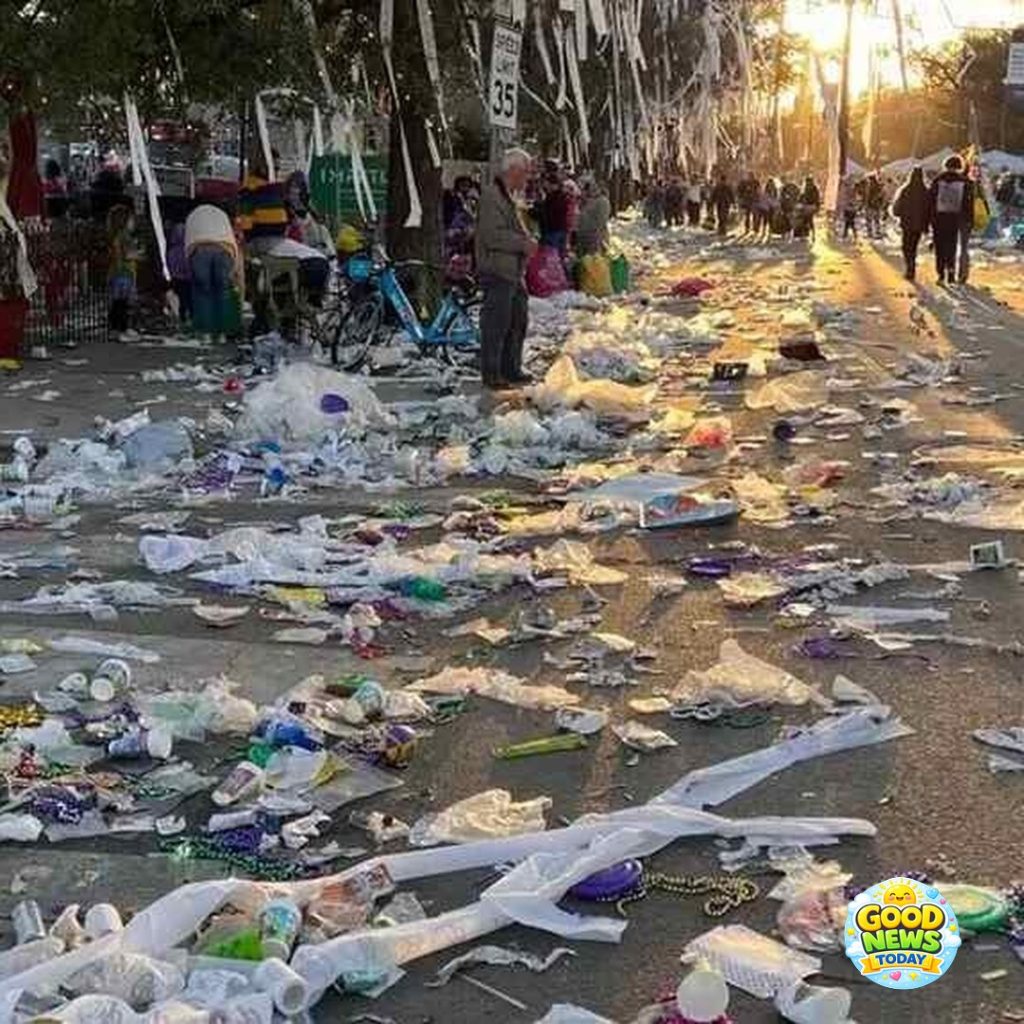
During the vibrant celebrations of Mardi Gras, the excitement of catching colorful beads and trinkets can feel exhilarating. However, if you’ve witnessed the aftermath in New Orleans, you know that these once-thought treasures often become mere litter.
In response to this issue, a collaborative effort involving government agencies and nonprofits is introducing innovative solutions such as biodegradable “seed beads” and culturally relevant party favors like Jambalaya spice packets. This initiative aims to significantly reduce the staggering 1,123 tons of waste generated each year, while also addressing environmental concerns, as discarded plastic poses a serious threat to the city’s stormwater systems.
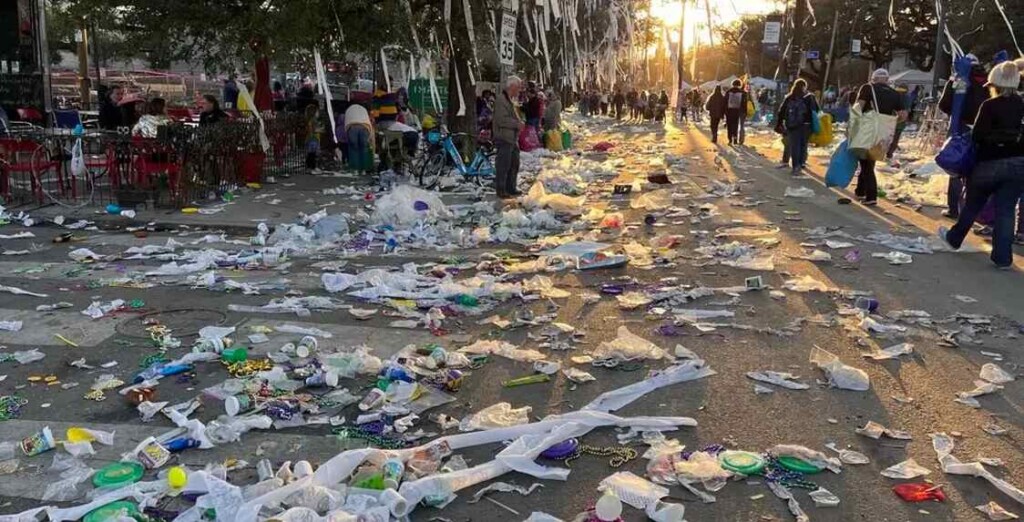
With the anniversary of Hurricane Katrina marking 22 years since one of America’s most devastating natural disasters, maintaining the city’s drainage efficiency is more critical than ever; any obstruction can have dire consequences.
Grounds Krewe, one of the key nonprofits dedicated to minimizing the environmental impact of Mardi Gras, is an essential part of a coalition called Recycle Dat, organized by the city’s tourism association. Initially, the coalition focused on collecting all types of waste from the celebrations, including drink containers and plastic beads, with the intention of recycling or repackaging them. However, Brett Davis, the founder of Grounds Krewe, realized that this approach merely cleared away unwanted debris, only to have the streets cluttered again.
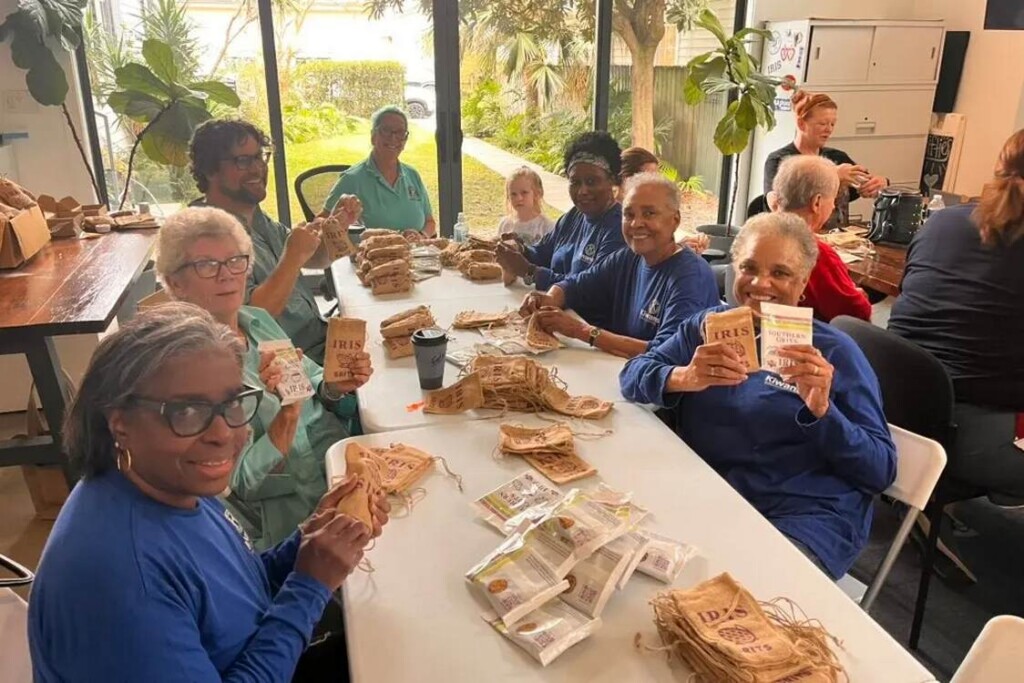
Since the start of the 2024 Mardi Gras season, Davis has successfully sold $1 million worth of unique and eco-friendly “throws.” Reflecting on his childhood in New Orleans, where catching anything thrown from parade floats was a thrilling chase, he noted how regulations restricting logos on parade items led to a decline in value and interest—resulting in what he calls “bead fatigue.” Now, much of what is tossed from the floats is overlooked and unwanted.
Davis believes that this can change if the items thrown from floats are genuinely appealing. He has gathered a diverse and enthusiastic team of volunteers to create delightful burlap sacks filled with Jambalaya spice, native flower seed mixes, and even plant-based glitter.
This concept of offering valuable items is not entirely new. In the rich tradition of Mardi Gras, some floats have historically thrown unique treasures like hand-painted coconuts. By introducing the idea of scarcity and offering rare, desirable items, the celebration can not only reduce its ecological footprint but also rekindle the excitement that Davis remembers from his youth.
Furthermore, innovative minds at the University of Louisiana are exploring the creation of beads made from algae, showcasing the potential for sustainable materials in future celebrations. This wave of creativity and environmental consciousness is helping to ensure that Mardi Gras remains a joyful and responsible celebration for years to come.