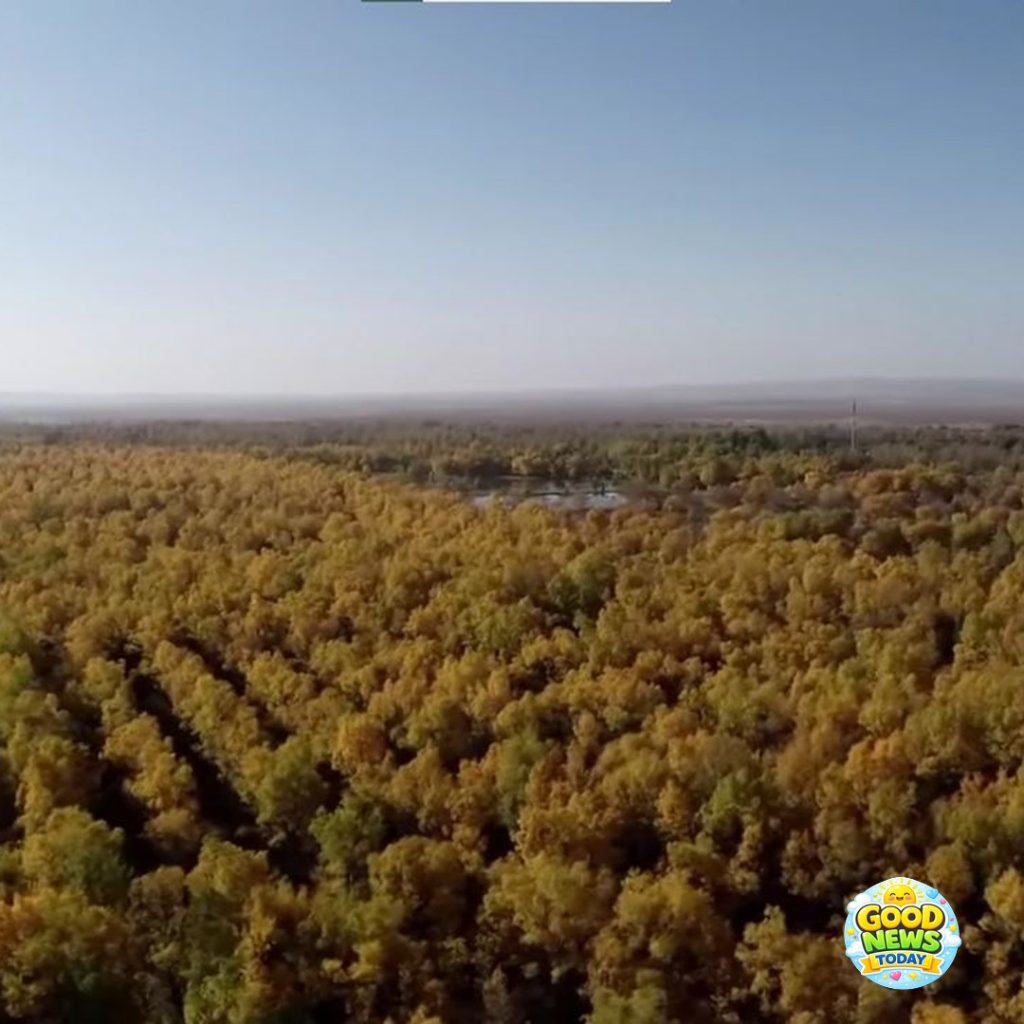
China’s remarkable long-term initiative to encircle one of the planet’s most challenging deserts with a lush ring of trees has yielded an astonishing advantage for humanity. This ambitious project is not only safeguarding the nation’s grasslands and agricultural lands from the encroaching sands of the daunting Taklamakan Desert, but it has also transformed previously barren areas into a vibrant carbon sink, effectively extracting CO2 from our atmosphere.
Research suggests that by planting trees, humans can mitigate some of the dire consequences associated with rising global temperatures. This method holds promise, but it also faces limitations on a broader scale. Despite efforts, atmospheric CO2 levels continue to escalate, and there is a finite amount of land available for afforestation.
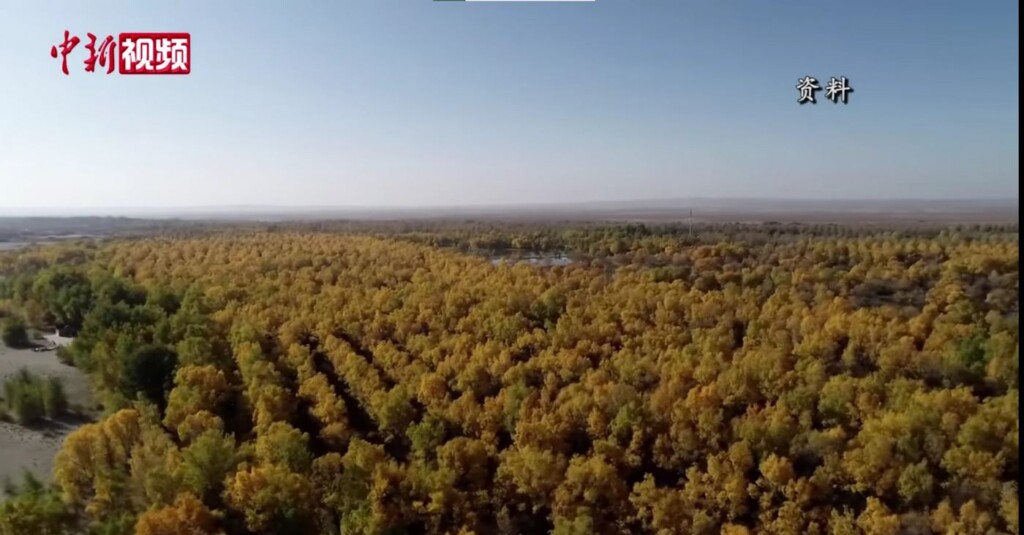
Deserts cover about one-third of our planet, where vegetation is limited and rainfall is scarce. Surprisingly, these vast regions collectively store less than one-tenth of the world’s carbon reserves found underground. A collaborative study by NASA and the California Institute of Technology (Caltech) has employed satellite imagery to reveal that the historically referred to “sea of death,” the Taklamakan Desert, can indeed be harnessed to sequester carbon and mitigate the greenhouse effect.
Initiated in 1978, China’s Three-North Shelter Belt program was designed to plant trees around the perimeter of the Taklamakan, preventing sandstorms from damaging neighboring pastures and farmland. Located at one of the farthest points from any ocean, the Taklamakan is among the driest and most unforgiving landscapes on Earth, surrounded by towering mountain ranges that block moisture.
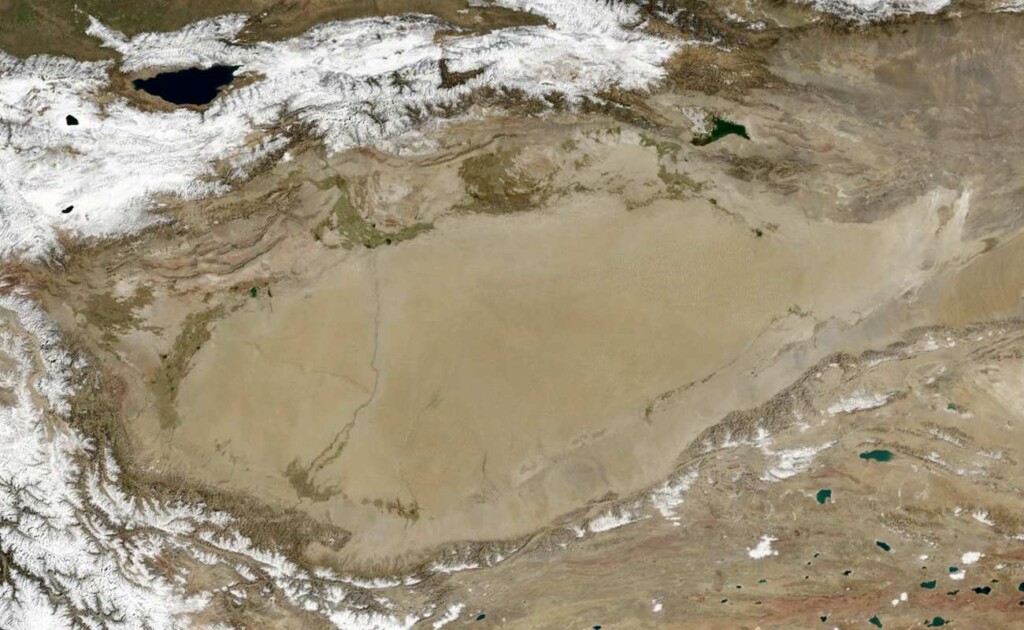
Estimates suggest that approximately 66 billion trees have been planted since the inception of the Shelter Belt program, which is set to conclude in 2024. Fondly referred to as the “Green Great Wall,” this impressive surge in greenery has led to a slight increase in average rainfall, contributing to natural foliage growth during the wet season. This boost in vegetation enhances photosynthesis along the tree line, resulting in greater carbon sequestration.
Transforming our planet in such a profound way is possible! Professor Yuk Yung, a co-author of the study and a senior research scientist at NASA’s Jet Propulsion Laboratory, expressed excitement about the findings. “We found, for the first time, that human-led intervention can effectively enhance carbon sequestration in even the most extreme arid landscapes, demonstrating the potential to transform a desert into a carbon sink and halt desertification,” he shared.
In precise terms, this initiative has successfully lowered the average carbon content in the air above the desert from 416 parts per million to 413 ppm. To put this in perspective, the global average currently stands at 429.3 ppm, a significant increase from the 350 ppm recorded before industrialization began.
As efforts continue, the hope is that more shelter belt-style tree planting initiatives will emerge, contributing to a greener, healthier planet for all.