
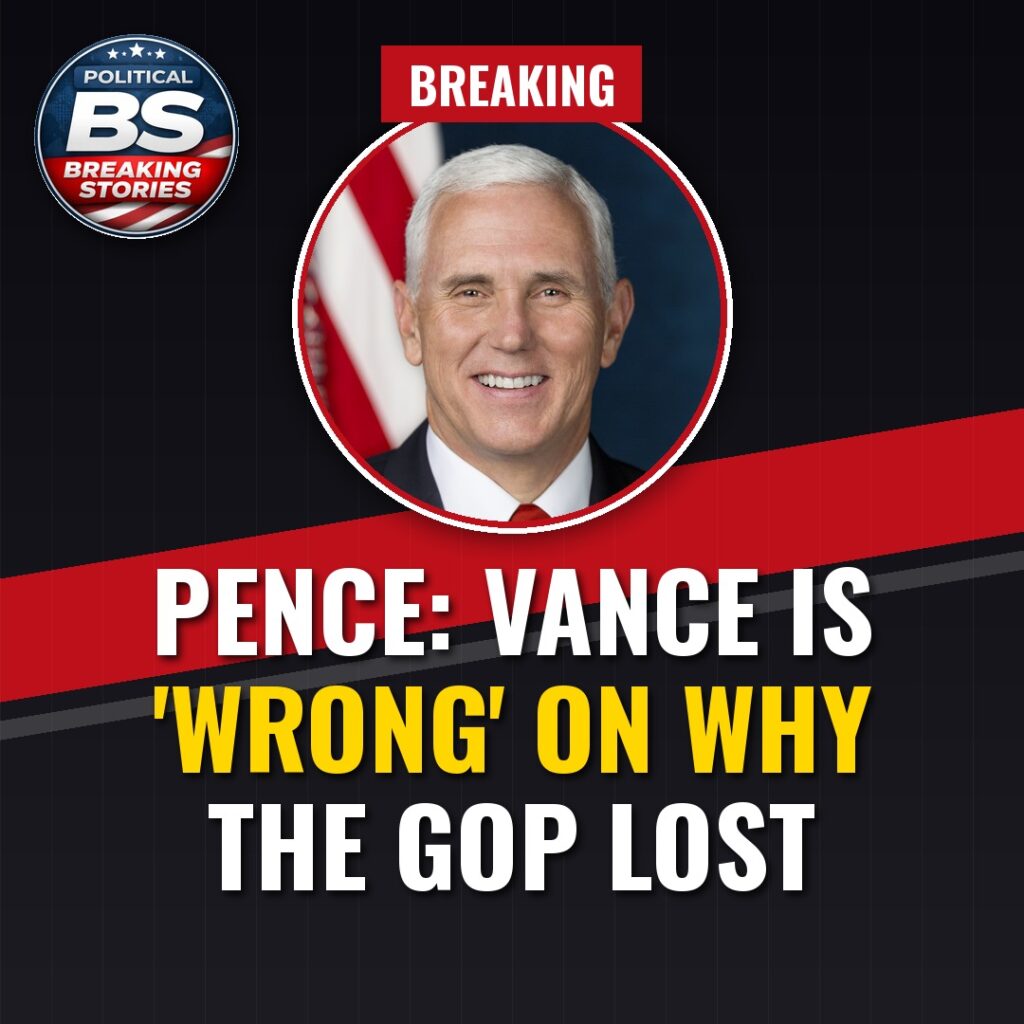
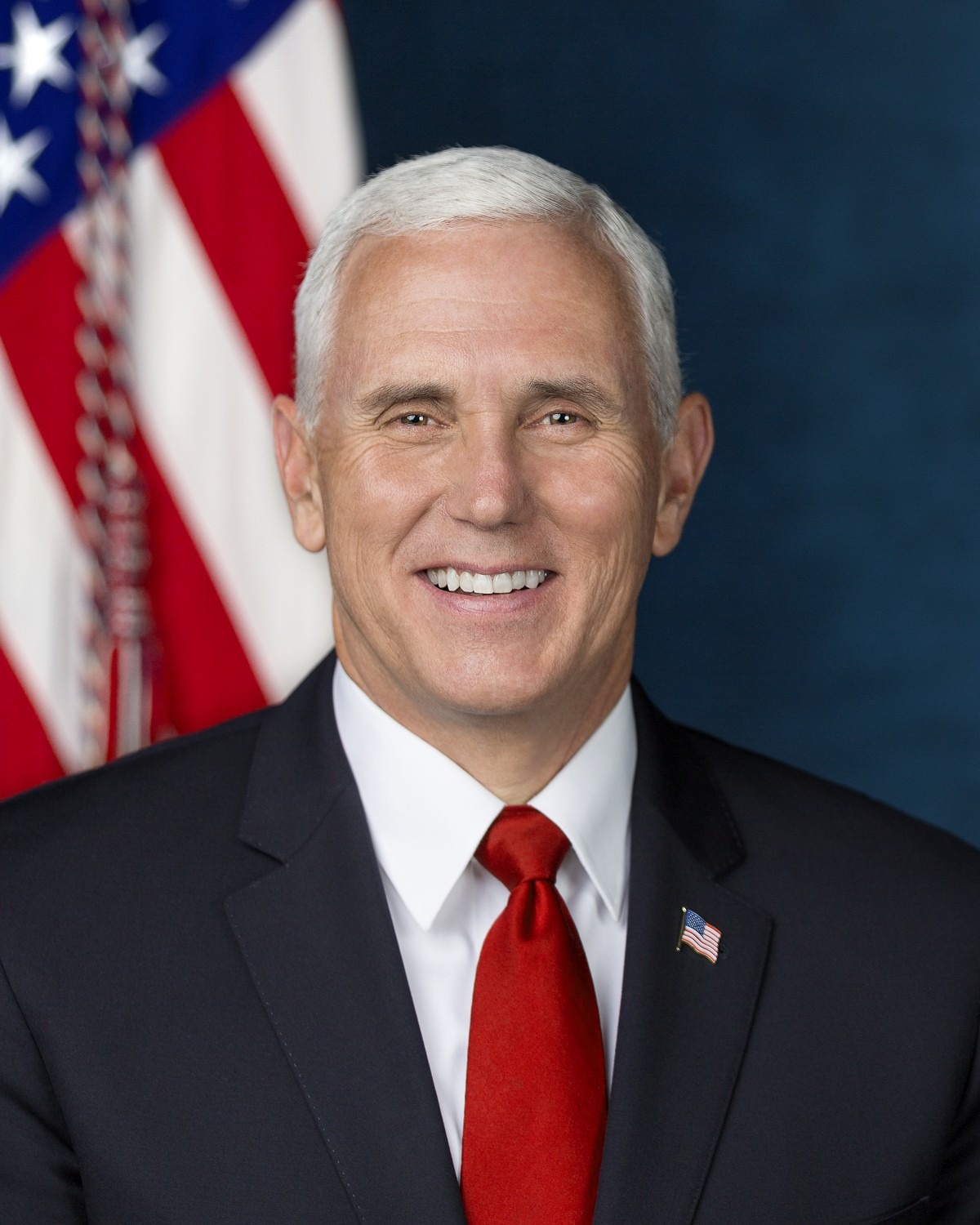
Former Vice President Mike Pence publicly broke with his successor on Sunday, saying Vice President JD Vance has it backwards on why Republicans got routed in this month’s midterm elections.
Vance has blamed the Iran war. Pence told NBC’s Meet the Press that the war wasn’t the problem. The problem, he said, is that the United States “stopped short.”
“We didn’t lose this midterm election because of the war,” Pence said.
What Vance said
The morning after Election Day, Vance posted a long message on X putting the blame for the GOP’s losses squarely on the war with Iran.
“The reason we lost is the war. The president himself said so last night.”
He then dared the war’s defenders to make their case in public. “If you’d like to argue it was worth it, that losing the Senate for the next 6 years was worth it, then do so. Argue it was a worthwhile cost to pay. Agree or disagree, that’s at least honest,” Vance wrote. “But everyone knows why we lost. And any honest conversation about where we go from here must start there.”
Citing an unnamed pollster, Vance laid out four things he said Republicans need to do to win those voters back: “1) End the war 2) Focus on cost of living/inflation 3) Put America First 4) Change our relationship to Israel.”
Pence: “Vance is wrong”
Asked on Meet the Press whether he agrees that Iran played a big role in the defeat, Pence started off gently. “Well, look, I pray for the vice president and his family,” he said. “Nobody understands his job in this country as well as I do.”
“He’s a good man,” Pence said, before adding that his successor “is wrong.”
Pence argued that what turned voters off was the decision to pause the war. He credited the U.S. military with responding “brilliantly,” then said that “for inexplicable reasons, we stopped after five weeks.”
“We sunk their navy, we had complete air superiority, took down 15,000 military sites in Iran, and then we paused and began to embrace the politics of appeasement.”
“There’s an old saying that you don’t make peace with your enemy, you make peace with your defeated enemy,” Pence said. He pointed to Bahrain, where he said Iran had been firing on U.S. targets within the past 24 hours, as evidence that Tehran does not see itself as beaten.
Pence acknowledged that Americans were angry about rising gasoline and diesel prices. But he said the anger was not because the U.S. “took the fight to the world’s leading state sponsor of terrorism, but that we stopped short.”
He went on to say the pause reflected, in part, the influence that isolationist voices on the populist right have gained inside the administration.
Watch Pence’s comments
Not the first time
Sunday wasn’t the first time Pence pushed back. In an interview with Fox News Digital earlier this week, he said, “I disagree with the vice president about the reasons for the midterm election outcome,” and argued the frustration over Iran was “because we stopped short and didn’t finish it.”
Pence also told Fox News Digital that “the reasons for this midterm election were much more complex than gasoline prices or the war in Iran,” and added, “So, I respectfully disagree with my successor in that regard.”
Where Trump stands
President Trump has partly agreed with Vance. He told The Wall Street Journal on Election Day that “Iran was a piece of it,” while defending the decision to launch the war: “I did the right thing. I would have done it again.”
The split leaves two vice presidents, past and present, with sharply different lessons from the same defeat. Vance says end the war. Pence says finish it. Which way the party goes could shape the fight for the 2028 Republican nomination.