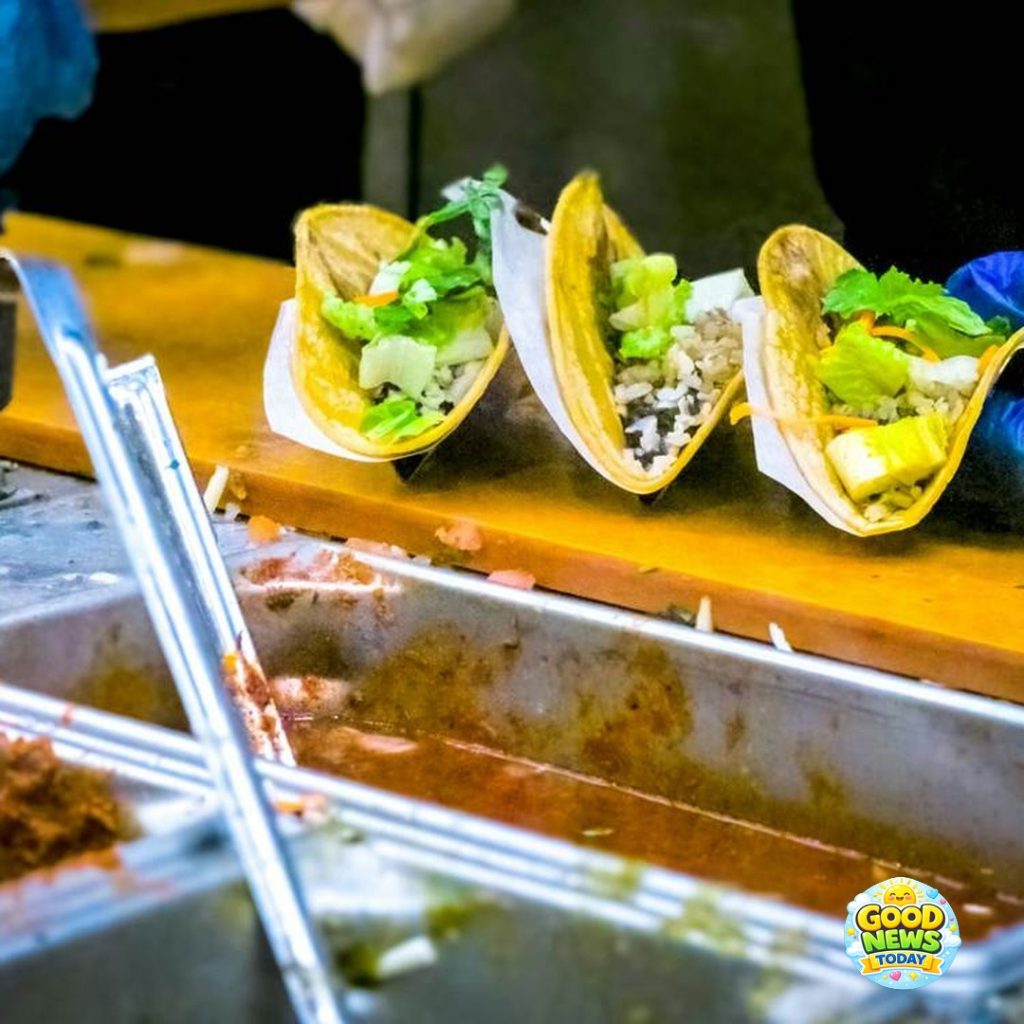
In a delightful transformation that has left students, administrators, and farmers buzzing with excitement, Kentucky schools are embracing local produce in a way that has completely revitalized their lunch offerings. Gone are the uninspiring days of fruit cups and pan pizza; now, students are savoring delicious fajitas made with locally-raised beef, marinated in cumin, and served on fresh corn tortillas with queso, guacamole, and vibrant toppings.
This culinary shift is particularly evident at Boyle County High School, where students are enjoying meals that bring a fresh and flavorful experience to their lunchtime routine. Thanks to a pandemic-era grant that allocated $3.2 million to support local agriculture, around 150 Kentucky farms are now supplying produce to approximately 90 school districts across the state.
Cheyenne Barsotti, the Food Service Director for the Boyle County School District, is enthusiastic about the positive impact this local sourcing initiative has had on the school’s approach to food. The cafeteria team now often cooks from scratch, depending on the seasonal produce available. As students rave about their meals, the trust in the kitchen grows, encouraging the cooks to experiment with new recipes.
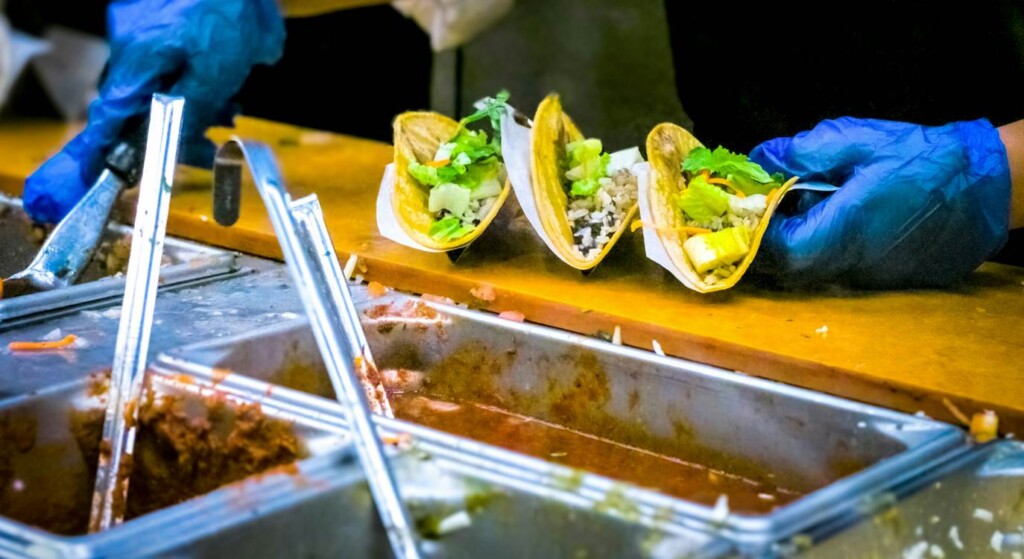
Students have expressed their love for the fajitas, rating them a remarkable 9.5 out of 10. “I love it because I know that means they’re enjoying it,” Barsotti shared. She emphasizes the importance of quality in the meals, noting that using local ingredients not only enhances the taste but also resonates with the students.
This positive shift in school lunches aligns with the new direction of American health policy, as the USDA Dietary Guidelines now prioritize protein over carbohydrates, emphasizing real, fresh food that doesn’t come packaged in boxes. This change is reflected not only in the meals served at schools like Boyle but also in the enthusiasm of local farmers eager to contribute.
One such farmer is Carly Guinn, co-owner of Circle G Farms, located just seven miles from Boyle. At Circle G, cattle are pasture-raised on feed grown right on the farm, creating a sustainable cycle that benefits both the land and the community. Guinn explains, “We try to utilize every division of our farm to its highest potential and keep it sustainable.”
Even with the grant funding coming to an end, the momentum generated by this program has inspired school districts to continue embracing local produce and the positive changes it brings to their menus and overall attitudes. This initiative is not just about food; it’s about fostering a deeper connection between schools and their local agricultural community, making lunchtime a more enjoyable and nutritious experience for everyone involved.