
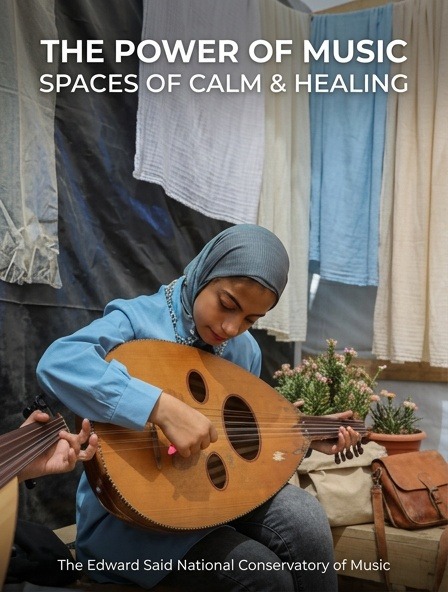
In a world increasingly fraught with uncertainty and unrest, a unique initiative is making waves by turning to music as a means of fostering peace, calm, and emotional healing. The Edward Said National Conservatory of Music, based in Palestine, is pioneering efforts to create spaces of tranquility and resilience through the power of melodies and sound.
Founded in the early 2000s, the conservatory has long been a symbol of cultural resilience amid challenging circumstances. Recently, it has amplified its mission by launching dedicated programs aimed at using music not only for artistic expression but also as a therapeutic tool to help communities cope with stress, trauma, and conflict.
Music therapy sessions are now integrated into the conservatory’s outreach programs, reaching vulnerable populations including children, refugees, and those affected by ongoing political tensions. Practitioners focus on creating safe, calming environments where individuals can process their emotions through sound, singing, and musical improvisation. For many, these sessions become vital outlets for healing, fostering connections, and rebuilding a sense of hope.
Dr. Rami Saadeh, the conservatory’s director, emphasizes the importance of this approach: “Music has a profound ability to transcend language and barriers. It provides a universal space where people can feel safe and understood, helping them to find inner peace amidst chaos.”
Beyond therapeutic efforts, the conservatory also hosts concerts and workshops that highlight traditional Palestinian music and global genres, illustrating how the arts can unify communities and promote understanding. These cultural events are intentionally designed to foster dialogue, empathy, and shared healing experiences among diverse audiences.
Recent testimonials from participants reveal the transformative impact of these initiatives. “Listening to the music and participating in these sessions gives me a sense of calm I haven’t felt in years,” shares Leila, a refugee from Gaza involved in one of the conservatory’s programs. “It reminds us that even in difficult times, beauty and peace are possible.”
This innovative use of music as therapy and community-building tool aligns with a broader global recognition of the arts’ capacity to support mental health and social cohesion. By weaving together tradition, creativity, and therapeutic practice, the Edward Said National Conservatory of Music continues to set a powerful example of cultural resilience amid conflict.
As the world watches, this approach serves as a reminder that sometimes, the most profound healing can come from the simplest of things—a song, a melody, a shared moment of calm.