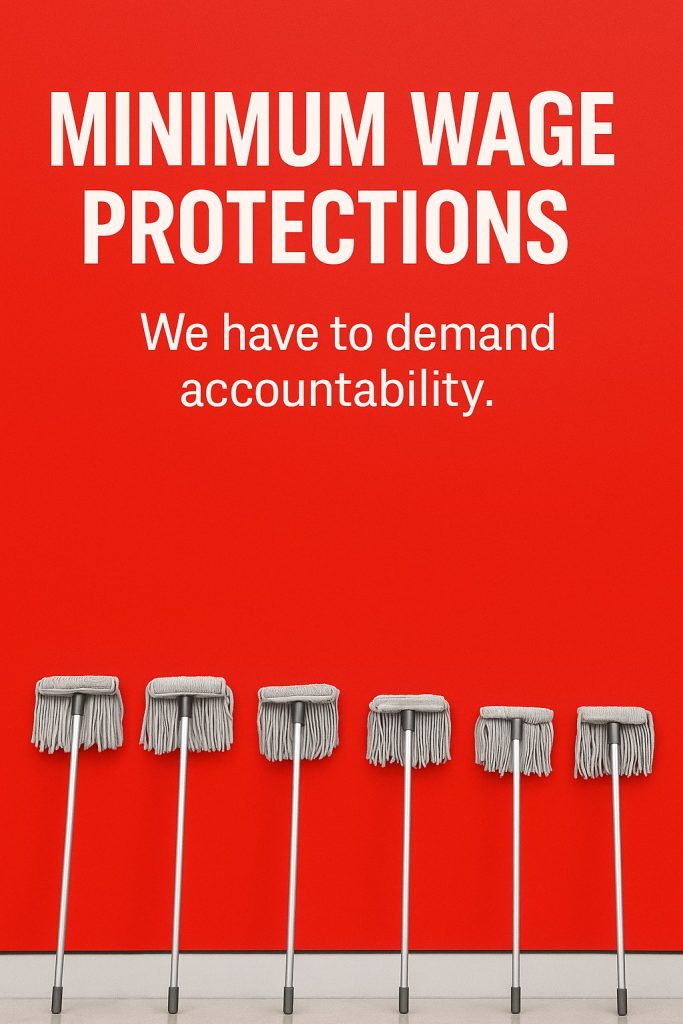
The Trump administration is facing significant backlash after recent announcements revealing plans to slash minimum wage protections for disabled workers, federal contractors, and home care workers. Advocates warn that these changes could have devastating implications for some of the nation’s most vulnerable populations, prompting urgent calls for accountability and action.
Aurelia Glass, a policy analyst at the Center for American Progress (CAP), emphasizes that these cuts not only undermine the dignity of work for disabled individuals but also set a dangerous precedent for the treatment of workers across various sectors. “We must demand accountability for these policies that prioritize corporate interests over the well-being of individuals who rely on these protections to make a living wage,” said Glass during a recent advocacy event.
Historically, minimum wage laws have provided a crucial safety net for workers who often face unique challenges in the labor market. The changes proposed by the Trump administration would eliminate longstanding protections, creating a scenario where employers could legally pay below the federal minimum wage. This could impact approximately 14 million disabled workers currently receiving support, including many who rely on federal contracts for employment.
In addition, home care workers—who typically earn low wages while providing essential services to the elderly and disabled—would also be affected. Advocates argue that these workers are not only essential for providing care, but their compensation should reflect the critical support they contribute to society.
The response from the community has been swift, with numerous advocacy groups, labor unions, and disabled rights organizations rallying against these proposals. Social media platforms are exploding with hashtags like #ProtectDisabledWorkers and #EarnedDignity, as individuals share personal stories and mobilize supporters to make their voices heard.
Glass outlines a path forward: “We need to come together to protect the rights of all workers. That means advocating for policies that ensure fair wages, access to employment, and adequate support, especially for those who are most at risk of exploitation.”
In the days ahead, many are urging constituents to contact their representatives and demand a re-examination of these proposed changes. Organizing local rallies and writing to lawmakers have become prominent strategies as advocates aim to maintain minimum wage protections. As the conversation continues, it is clear that this issue is not just about wages; it is about equality, dignity, and the fundamental right to work without fear of exploitation.
The ramifications of these cuts extend beyond wage scales; they challenge the very notion of fair labor standards in a society increasingly aware of the value of inclusivity and respect for all workers. As the administration moves forward, stakeholders and community members alike are called to action—reminding lawmakers that true progress is measured by how society treats its most vulnerable.
Where to Learn More
- Protect Disabled Workers: Restore Minimum Wage – Center for American Progress
- Trump Admin Issues Ruling Slashing Minimum Wage for Disability Workers – NBC News
- The Dangerous Plan to Cut Wages for Disabled Workers and Caregivers – The Washington Post
- Study on Disability and Wage Protections – American Psychological Association