Once thought to be “functionally extinct,” wild American chestnut trees are embarking on an inspiring resurgence in the northern forests of the United States, particularly in Maine.
Decades of belief in the extinction of this majestic tree have been challenged by the discovery of thousands of thriving, wild chestnut trees on the land owned by the esteemed biologist and author Dr. Bernd Heinrich. This surprising finding contradicts previous assumptions that genetic engineering was the only viable solution for reviving the species.
The plight of the American chestnut began with the unintentional introduction of an Asian blight in 1904, which devastated the tree population that once flourished along the East Coast and in Canada. Since then, biologists have mourned the empty spaces left behind in the landscape.
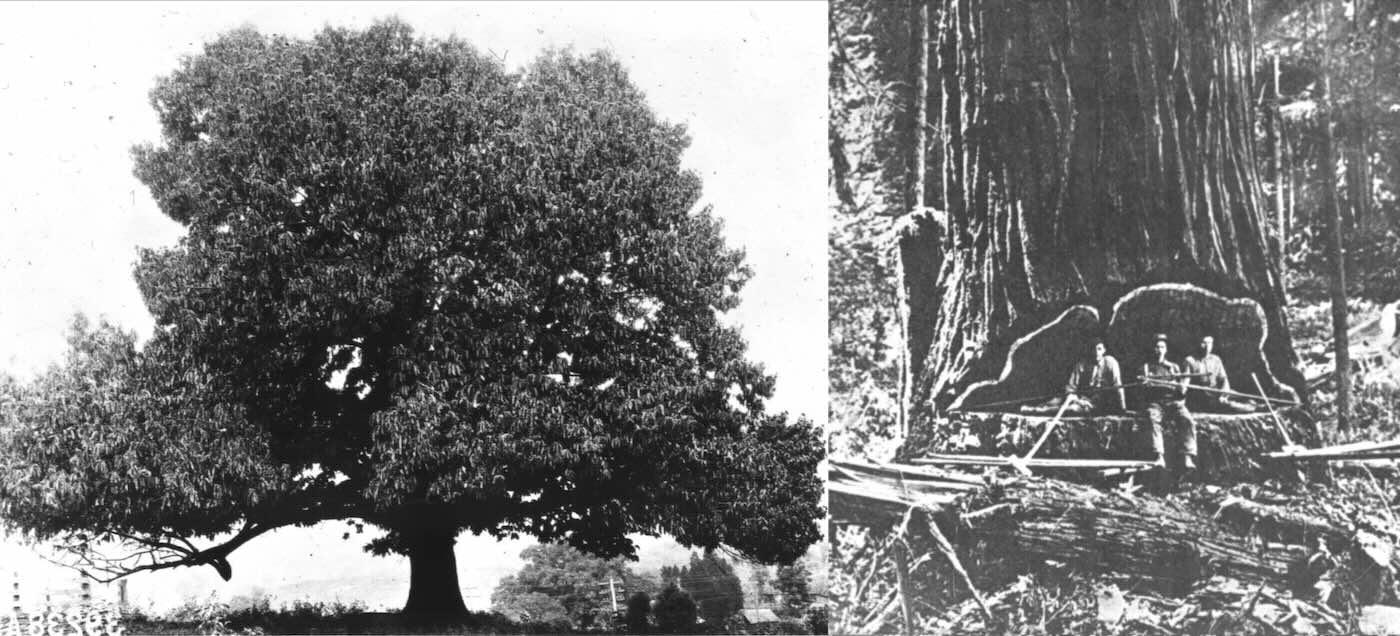
However, a new documentary has unveiled a heartening narrative: on Dr. Heinrich’s forested land, thousands of healthy American chestnut trees are growing vigorously. Forty-four years ago, he purchased 25 saplings for just $10, and over the years, these trees have thrived, with bluejays and squirrels helping to spread their seeds across the landscape. Remarkably, there is no sign of blight among them today.
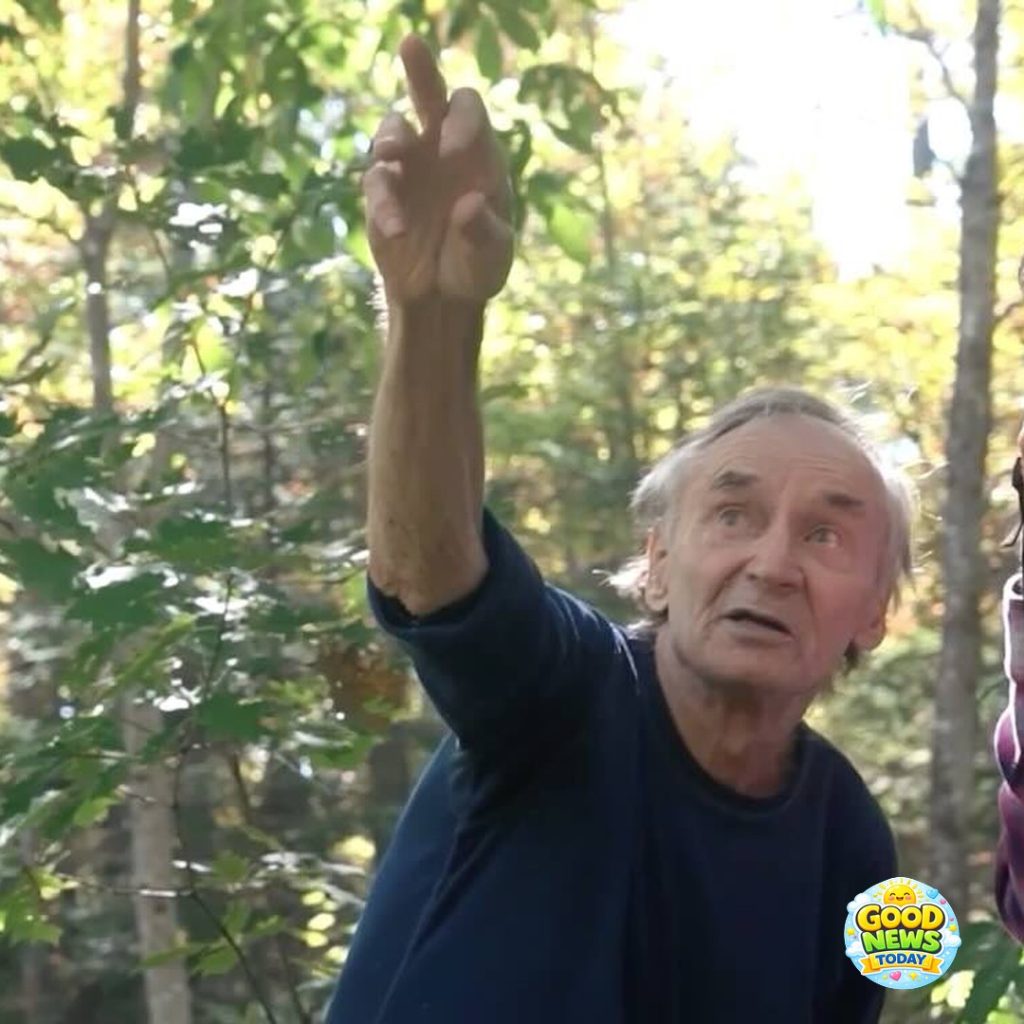
“These chestnuts are really taking off,” shared the 85-year-old professor, who climbed one of the trees to collect a fruit sample for the documentary crew. “And it could very well be that these are blight resistant.”
The robust natural growth observed, including thousands of descendants from the original trees, challenges the long-held belief that this iconic species exists only as scattered and doomed sprouts.
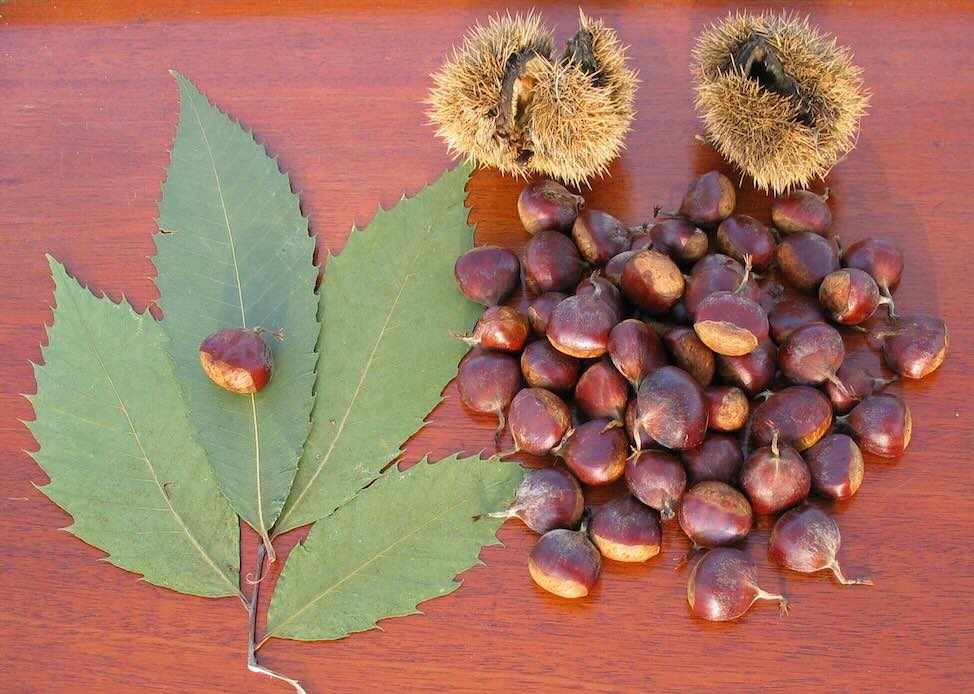
Dr. Heinrich, a professor emeritus from the University of Vermont and author of over 20 books and 100 scientific papers, has dedicated more than four decades to studying these chestnuts on his extensive property. Together with students from the University of Vermont, his team has identified and mapped more than a thousand flourishing chestnut trees, some representing three generations of natural growth.
The short film, titled The Wild American Chestnut, produced by the Global Justice Ecology Project, captures Dr. Heinrich discussing how climate change may be allowing the American chestnut to shift its range northward, creating new opportunities for survival beyond its traditional habitats.
This flourishing population of chestnuts highlights the shortcomings of biotech-driven restoration efforts that have dominated the past three decades. In December 2023, The American Chestnut Foundation retracted its support for a genetically engineered chestnut, which faced multiple research errors and disappointing performance in the field, deeming it unsuitable for species restoration.
As we witness the remarkable comeback of the American chestnut, it serves as a beacon of hope and a reminder of nature’s resilience, inspiring conservationists and nature lovers alike.