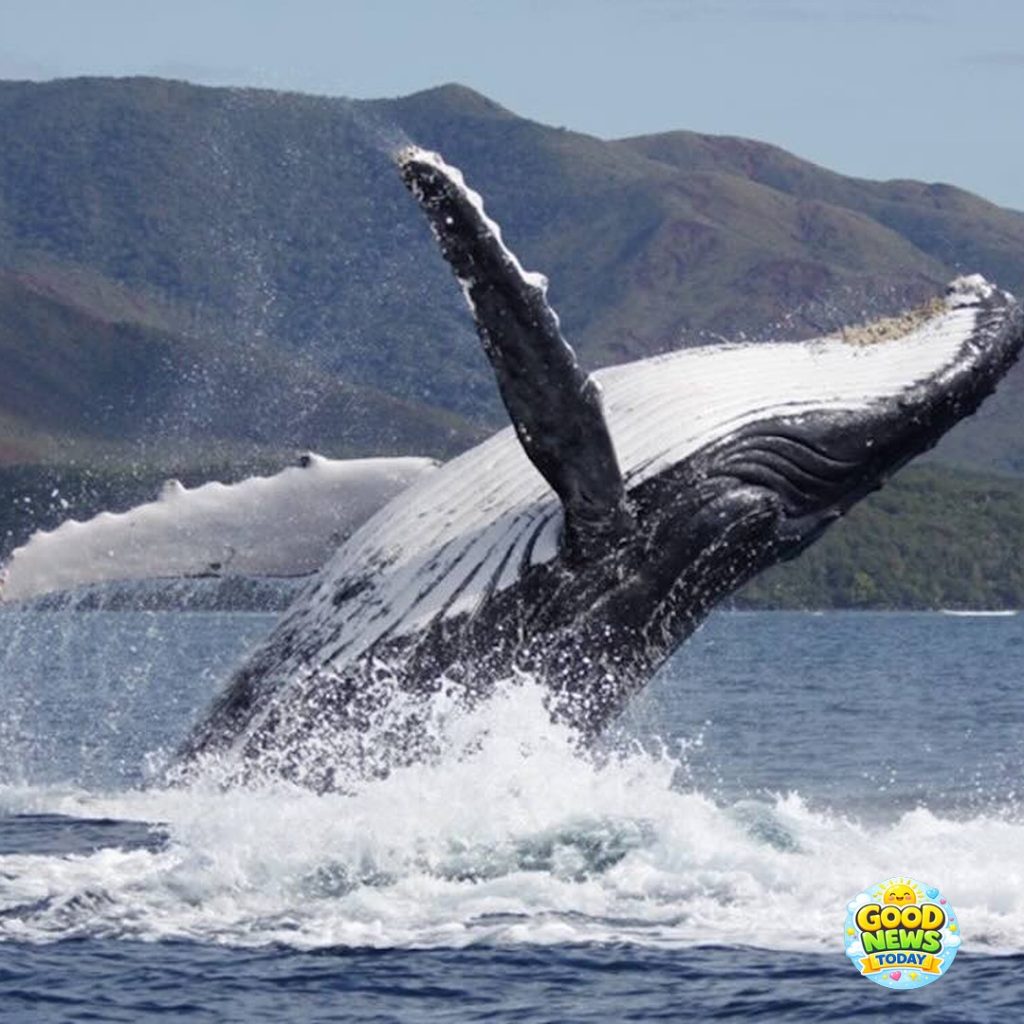
New research reveals that older male whales have a greater success rate in mating than their younger counterparts, thanks to their superior singing abilities. This exciting finding suggests that the majestic humpback whales take time to hone their vocal skills and competitive strategies, giving seasoned males a distinct edge in attracting mates.
As whale populations rebound after enduring centuries of hunting, it appears that female whales have become more discerning when selecting partners. This shift could lead to a greater success rate for males who possess desirable traits or exhibit the most impressive performances.
The international study, spearheaded by the Sea Mammal Research Unit at the University of St. Andrews in Scotland, highlights how the significance of age in male humpback whale reproduction has evolved alongside population growth. While whaling had nearly decimated many species, researchers emphasize that its effects extend beyond mere population declines.
Even decades after the end of commercial whaling, the legacy of this practice continues to shape whale populations, influencing which males are most likely to reproduce. Published in the journal Current Biology, the study examined two decades of data on humpback whales breeding in New Caledonia, located in the South Pacific.
Initially, the recovering population was largely comprised of younger males. However, as the overall numbers increased, a shift in age structure occurred: older individuals began to dominate and became more successful at siring offspring compared to their younger rivals.
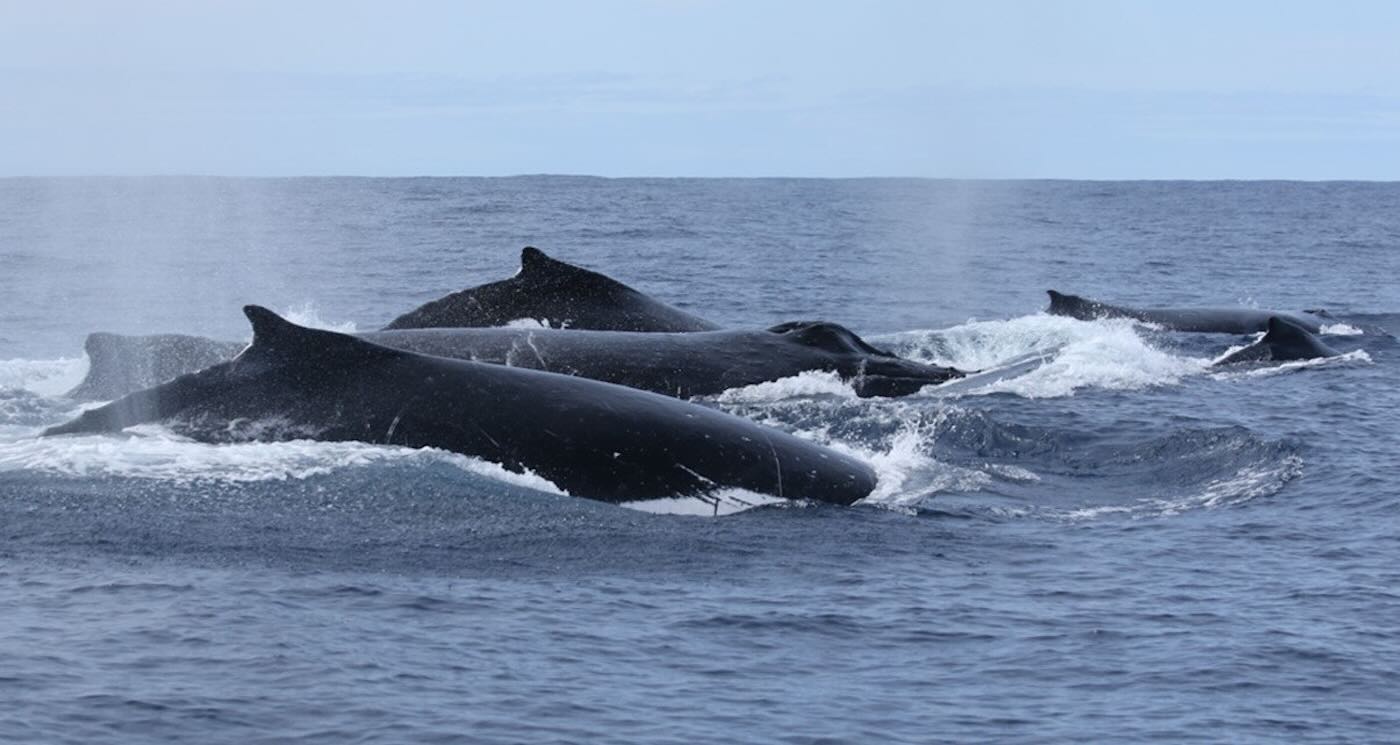
Interestingly, humpback whales have never been observed mating in the wild, leaving the question of paternity largely unanswered—until now. Utilizing long-term monitoring conducted by the NGO Opération Cétacés, the research team explored changes in age structure, behavior, and paternity among male whales.
The researchers employed genetic analysis to determine paternity and utilized an ‘epigenetic molecular clock’ to estimate the ages of individual whales, all from a small sample of whale skin.
In recent years, humpback whale populations have made a remarkable recovery and are now thriving, particularly in Australia, where numbers have surpassed pre-whaling levels. This resurgence suggests that their behaviors are also evolving.
Male humpback whales are renowned for their intricate songs, which rank among the most elaborate in the animal kingdom. These powerful vocalizations can often be heard echoing across breeding grounds. Additionally, males engage in escorting females and competing fiercely with rival males for attention.
According to Dr. Ellen Garland, a senior author of the study, “As the population recovered, we observed a greater number of older males singing, escorting females, and successfully fathering calves compared to younger individuals.” Dr. Franca Eichenberger, the lead author, noted that advancements in technology are providing fresh insights into these remarkable creatures.