
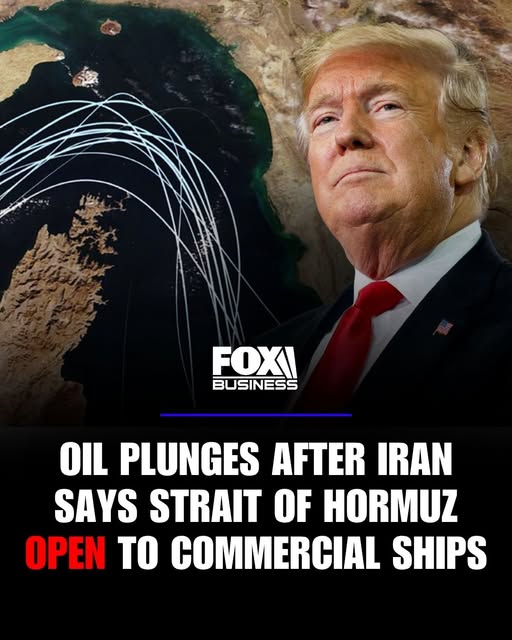
In a surprising development stirring global markets, oil prices experienced a significant plunge today following Iran’s announcement that the Strait of Hormuz will be temporarily reopened to commercial shipping. The strategic waterway, one of the world’s most critical energy chokepoints, has long been a focal point of geopolitical tension, with approximately 20% of global oil flows passing through it.
Iran’s decision comes amid escalating tensions in the Middle East, notably linked to the ongoing Israel-Lebanon conflict. While the move does not signify a complete easing of regional hostilities, it marks a notable shift in Iran’s stance on maritime navigation. The Iranian government indicated that the closure, which has caused concerns about potential supply disruptions, will be temporarily lifted to allow commercial vessels through as part of a ceasefire arrangement tied to broader regional stability efforts.
Notably, the United States continues its naval blockade in the region, maintaining a strong military presence aimed at countering threats and ensuring stability. However, Iran’s announcement appears to ease fears of an extended disruption to global oil supplies—a move that immediately sent shockwaves through energy markets.
Analysts say the decision is likely driven by multiple factors, including diplomatic efforts to de-escalate tensions, economic considerations, and the desire to prevent further escalation that could threaten global energy supplies. Crude oil prices, which spiked earlier this week amid fears of prolonged closure, fell sharply following the Iran announcement, reflecting a temporary relief among traders and consumers worldwide.
This development underscores the delicate balance of geopolitics and energy security. While the reopening to commercial shipping is a positive sign, experts caution that the geopolitical landscape remains highly volatile. The U.S. Navy’s continued presence ensures the safety of navigational freedoms, but Iran’s temporary move could be a prelude to further negotiations or strategic maneuvers.
Economists and industry insiders warn that while current prices show signs of stabilization, the situation remains unpredictable. Disruptions in the Strait of Hormuz have historically led to volatile oil markets, impacting gasoline prices, fuel costs, and broader economic growth worldwide. Stakeholders will be closely watching regional developments in the coming weeks.
Meanwhile, global markets are optimistic, with some analysts suggesting the move could serve as a diplomatic breakthrough or a tactical pause. Nonetheless, the situation emphasizes how interconnected geopolitics and energy markets are—any shift in control over key waterways like the Strait of Hormuz can have ripple effects across the world economy.