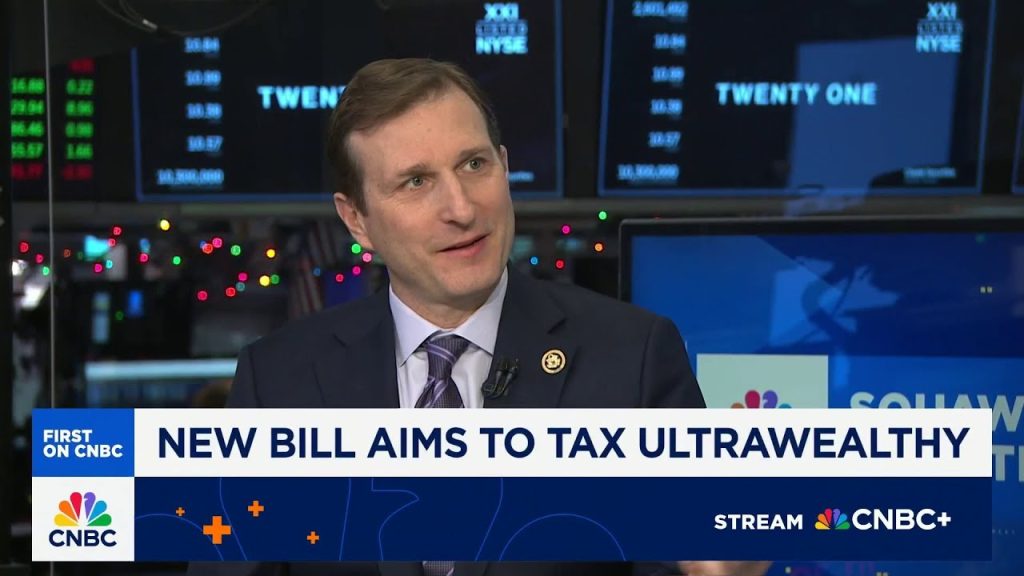
New York Representative Dan Goldman has proposed ambitious legislation known as the ROBINHOOD Act, aiming to close a significant tax loophole that benefits billionaires. According to the proposal’s title, the bill is projected to generate approximately $276 billion in revenue over the next ten years. The funds raised would be allocated toward expansive social programs, including universal childcare, designed to support working families and reduce economic inequality.

The ROBINHOOD Act arrives in the midst of increasing national discourse about wealth inequality and the effectiveness of current tax policies affecting ultra-wealthy individuals. Over recent years, growing public scrutiny has been directed at how some billionaires manage to use complex financial structures to minimize their tax liabilities. Proponents of reform argue that closing these loopholes is essential for creating a fairer tax system and ensuring that the wealthiest Americans contribute their rightful share to society.
Universal childcare, one of the primary social programs targeted for funding under this act, is widely recognized as both an economic stimulus and a critical support system for families. By investing in accessible childcare, the legislation hopes to boost workforce participation, particularly among women, and provide children with a strong early start. This aligns with a broader progressive push to expand social safety nets and public services amid rising costs of living and economic uncertainty faced by many Americans.
Goldman’s proposal reflects a growing trend among lawmakers who advocate for taxing wealth rather than income alone, a strategy aimed at addressing the concentration of assets among the ultra-rich. Nationally, similar efforts have been debated, though not yet widely implemented, pointing to ongoing ideological divides in Congress over how best to balance economic growth with social equity.
As discussions about tax reform and social investment continue to unfold, the ROBINHOOD Act exemplifies legislative attempts to tackle these issues head-on, challenging longstanding fiscal policies and proposing bold new investments for the future of American families.
Where to Learn More
- The New York Times – In-depth coverage of tax policy and wealth inequality.
- Congressional Budget Office – Analysis of federal tax proposals and budget impacts.
- Brookings Institution – Research on wealth tax debates and social program funding.
- Politico – Up-to-date political news and legislative developments.
- Tax Policy Center – Expert insights into tax loopholes and reform proposals.