Exciting news is emerging from South Wales as the population of rare butterfly eggs has surged, thanks to landowners allowing their hedgerows to flourish naturally.
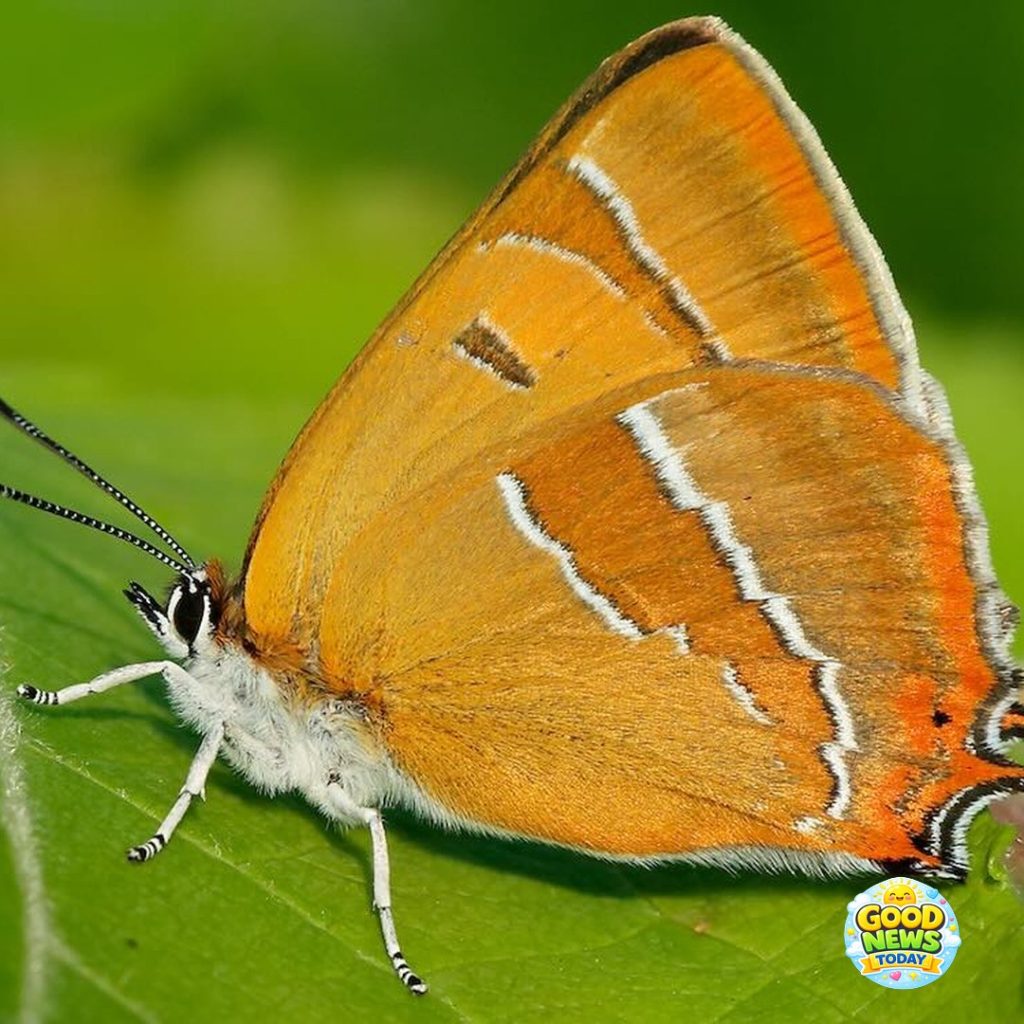
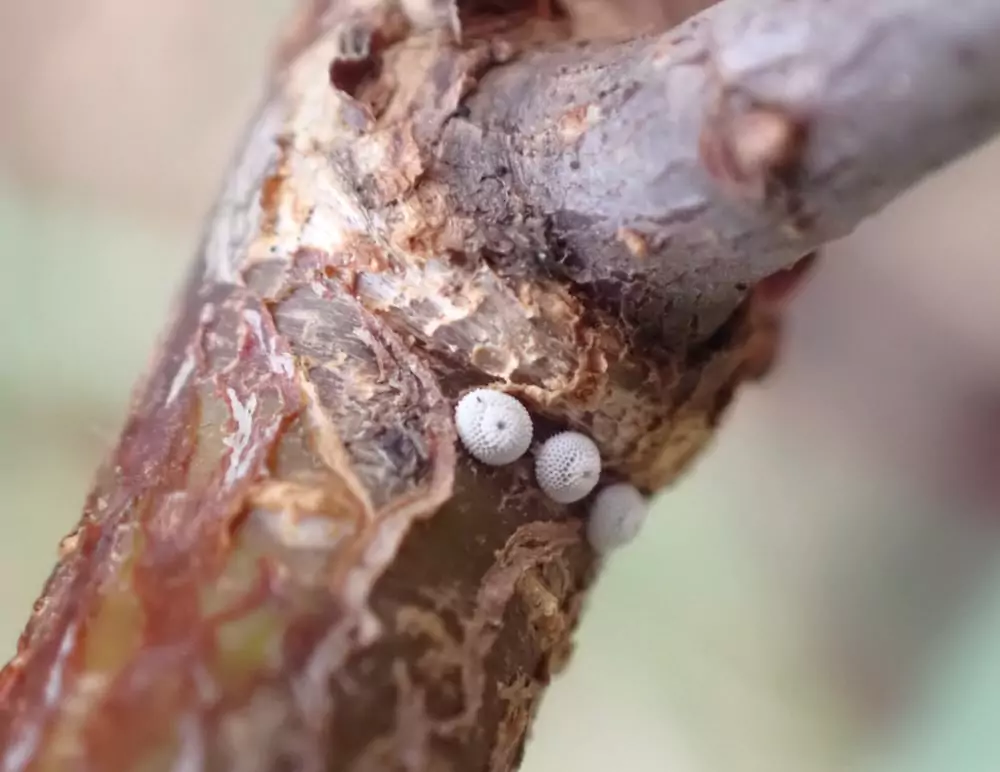
Volunteers from the UK nonprofit organization Butterfly Conservation have reported record numbers of Brown Hairstreak eggs this winter in Carmarthenshire. This remarkable turnaround is attributed to two collaborating organizations that have embraced a more hands-off approach to managing their hedgerows, creating a thriving environment for the Brown Hairstreak butterfly.
Richard Smith, a dedicated volunteer with Butterfly Conservation for over three decades, expressed his delight: “After a decade of challenges for the Brown Hairstreaks in Carmarthenshire’s Tywi valley, we are finally seeing signs of recovery.”
Once a common sight across the UK, the Brown Hairstreak butterfly faced significant declines as farmers and landowners engaged in a practice known as ‘flailing’—cutting back hedgerows that destroyed the young shoots of the essential blackthorn bush. This shrub is vital, as the butterfly lays its eggs exclusively on these green shoots. Since 2010, the species had almost completely vanished from the region.
In 2021, volunteers discovered a small remnant population near Llandeilo. With the support of key partners, including the National Trust team at Dinefwr and the South Wales Trunk Road Agency, efforts to protect and enhance blackthorn habitats were initiated. These partnerships led to the establishment of protected sites free from annual flailing, resulting in a remarkable 50% increase in egg counts this winter on these safeguarded lands.
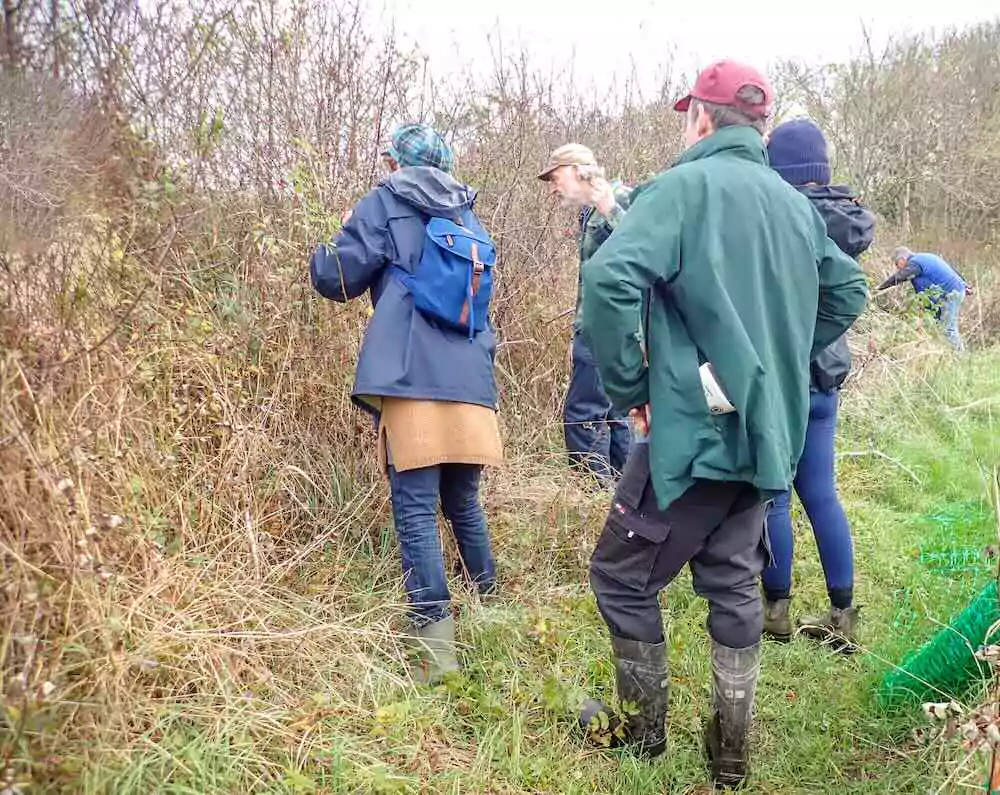
For years, Butterfly Conservation volunteers have braved the winter chill, armed with magnifying glasses, dedicating countless hours to searching hedgerows for the tiny white eggs. This winter, their relentless dedication is finally yielding rewarding results.
In further uplifting news for butterfly enthusiasts, the number of Monarch butterflies wintering in Mexico has doubled, while conservation efforts for the endangered Blue butterfly have quadrupled its population, also aiding in the preservation of a rare lupine species.
Dan Hoare, the Director of Nature Recovery at Butterfly Conservation, encourages landowners to consider more sustainable practices: “Small changes in how we manage our hedges can significantly benefit wildlife, enhancing their function for both nature and people. We’re not advocating for a complete halt to hedgerow management, but we would love to see more landowners adopt a less intensive approach.”
He emphasized that allowing hedgerows to be trimmed every two to three years could have a tremendous impact on the survival of the Brown Hairstreak and other species as well. The Brown Hairstreak serves as a wonderful indicator of ecological balance.
Spread the joy of this fantastic news among nature lovers on social media!