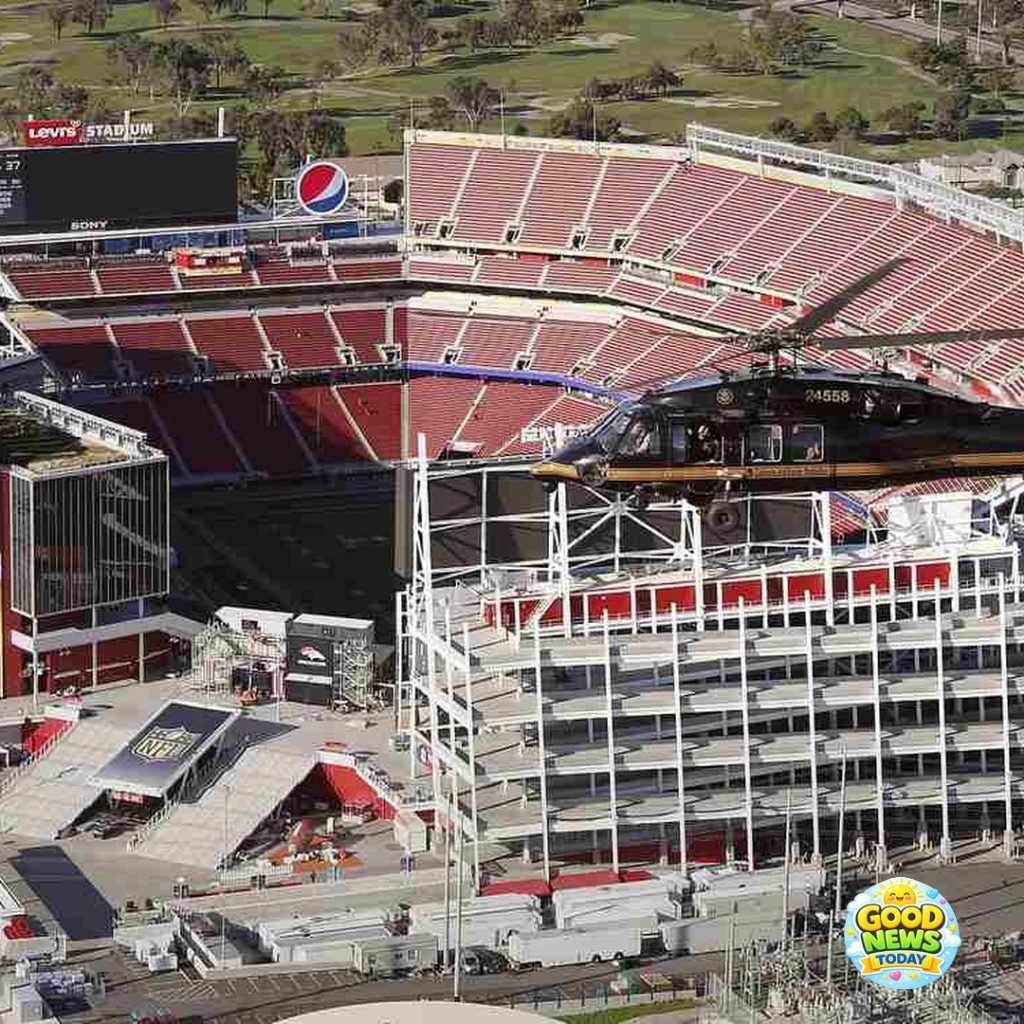
While Bad Bunny undoubtedly stole the spotlight at Super Bowl LX, there’s a remarkable story behind the scenes that deserves just as much attention. The NFL, in collaboration with ENGIE Impact, a sustainable resource management company, made significant strides towards environmental responsibility during this year’s event.
Working alongside both national and local partners in the Bay Area, the NFL took proactive measures to offset carbon emissions, recycle all stadium waste, and utilize green, renewable energy sources. This initiative not only aimed to minimize the event’s ecological footprint but also set a precedent for future large-scale events.
In a previous collaboration during the Super Bowl in New Orleans, ENGIE’s sustainability efforts were documented in a case study, showcasing how a major commercial event can successfully maintain a minimal environmental impact. This year, an impressive 250 tons of materials—comprising both waste and reusable items—were recovered, marking a fivefold increase from the last Super Bowl. Additionally, the event achieved carbon neutrality, with the NFL investing in offsets for approximately 3,000 extra tons of CO2 emissions.
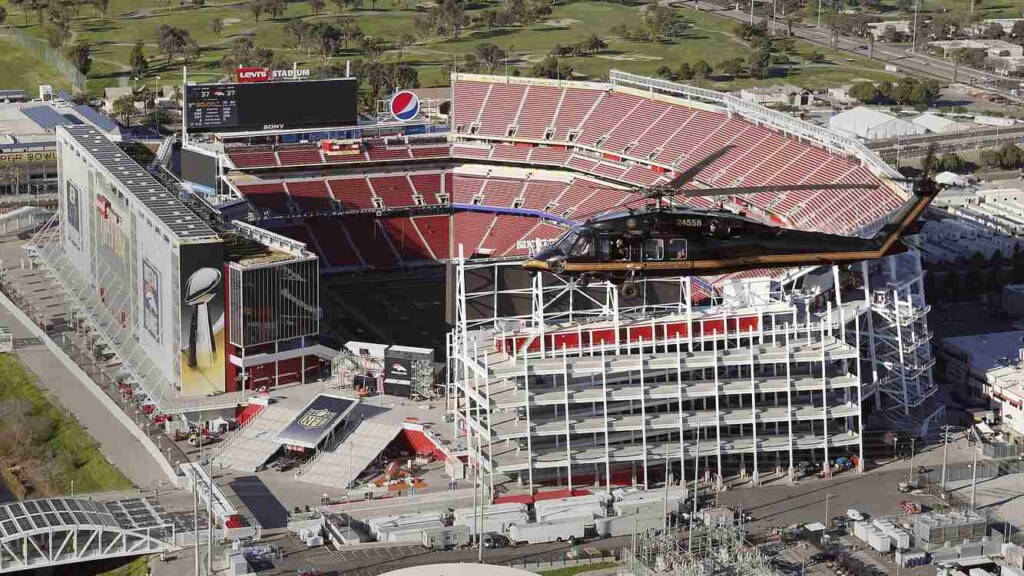
Although precise figures for this year’s event at Levi’s Stadium in Santa Clara are still being compiled, early reports suggest that similar successes have been realized. The stadium employs a convenient three-bin waste system, and ENGIE ensured that knowledgeable staff were available to assist fans with proper waste disposal.
ENGIE’s efforts extended well beyond typical recycling practices. Ryan Schlar, Director of Sustainable Mobile Operations at ENGIE, shared insights into the innovative material collection drive organized for the event. “This year, we donated fence mesh used in the stadium to local parks and recreation departments. Leftover carpets from tailgate parties were repurposed for schools, and blank wayfinding signage was given to artists to use as creative canvases,” he explained.
Moreover, reusable materials like scaffolding were retained for future events, with some banner holders remaining in place to support FIFA signage for the upcoming World Cup this summer. Schlar emphasized that while the specifics of donations vary based on community needs, the focus remains on partnering with organizations that provide significant communal benefits.
Levi’s Stadium boasts an impressive solar power system, and the diesel generators used for climate control operate on biodiesel, which contributes to lower emissions. “Success looks different every year because we set our goals based on the stadium’s existing capabilities,” Schlar noted, highlighting the continuous commitment to sustainability.
This year’s Super Bowl not only entertained millions but also set a shining example of how large events can embrace sustainability and positively impact local communities.