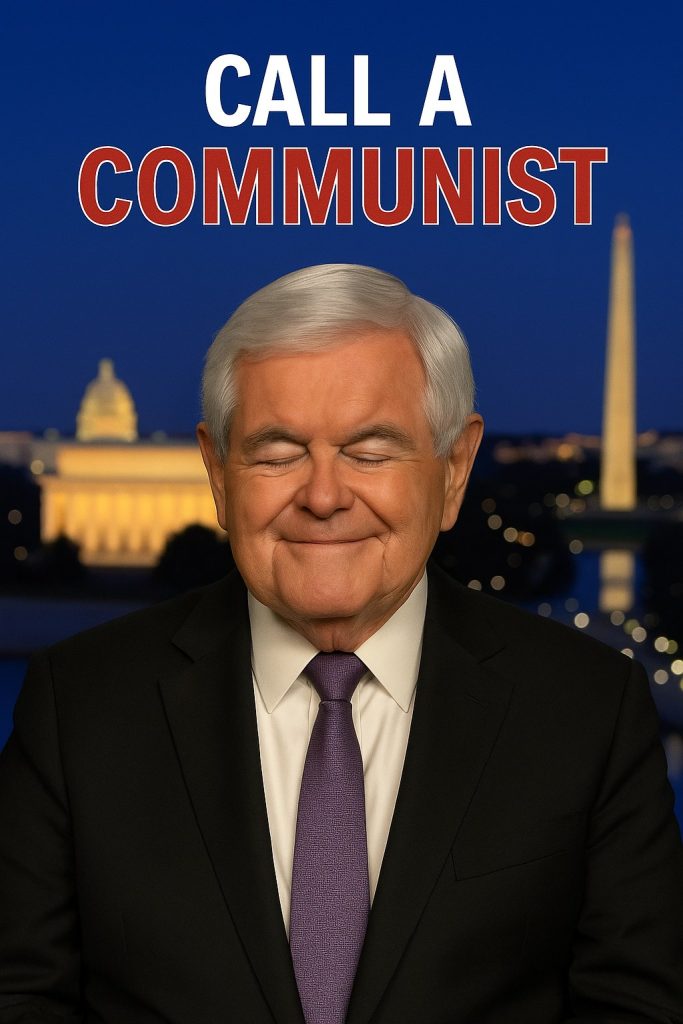
In a fiery outburst, former Speaker of the House Newt Gingrich has condemned Senate Majority Leader Chuck Schumer and House Minority Leader Hakeem Jeffries for their handling of the imminent government shutdown, calling their approach “totally out of touch with America.” As tense negotiations continue in Washington, the looming deadline has sparked a fervent debate about fiscal responsibility and the political motivations driving the stalemate.
During a recent interview, Gingrich characterized the Democratic leadership’s failure to reach an agreement as part of a broader trend of disconnect from the American public’s needs and concerns. “This is insanity,” Gingrich stated emphatically. His comments reflect a growing frustration among Republicans regarding what they perceive as the Democrats’ lack of urgency in addressing budgetary issues that could affect millions of Americans.
With the government at risk of facing a shutdown as soon as this week, the stakes are incredibly high. The shutdown would halt non-essential government services and could leave many federal employees without pay. A significant concern for many voters is the potential delay in critical assistance programs, which can have wide-ranging effects on communities relying on government support.
Gingrich’s remarks come at a time when Republican lawmakers have been vocal about the need for fiscal restraint and accountability. Many conservatives argue that the growing national debt and the federal budget deficit require immediate action to align government spending with the realities faced by the average American family.
Critics of Schumer and Jeffries assert that their leadership styles have contributed to a perceived inaction that only exacerbates tension in an already fractured political landscape. Gingrich believes that this disconnect could have electoral repercussions for Democrats, particularly in narrowly contested districts where voters are particularly sensitive to economic issues.
Democrats, on the other hand, argue that the negotiations have been fraught with complications stemming from Republican demands that they view as unreasonable or ideologically driven. They have insisted on pursuing solutions that protect critical services while contending with the need for compromise to ensure government continuity.
As the clock ticks down towards the potential shutdown, both parties are engaging in a flurry of last-minute discussions aimed at averting what could be a serious crisis. The economic implications are significant: each day of a government shutdown can cost billions, affecting everything from federal employees to contractors and local businesses that depend on government contracts.
Political analysts suggest that Gingrich’s comments may resonate with a segment of the electorate that feels increasingly frustrated by perceived indecisiveness in Washington. As part of a broader strategy, Republicans are leveraging the specter of a government shutdown to rally their base ahead of upcoming elections, showcasing a narrative of fiscal responsibility versus what they portray as unchecked liberal spending.
As discussions continue, the focus remains on whether a bipartisan agreement can be reached in time. While Republicans seek solidarity in an approach to budget cuts, Democrats must balance their commitment to essential services. The outcomes of these negotiations will not only determine the fate of the government’s budget but could also shape the political landscape as the nation moves closer to the electoral season.