A recent phase 2 clinical trial conducted in England has achieved remarkable results in enhancing the lives of children afflicted with a rare and challenging form of treatment-resistant epilepsy known as Dravet syndrome.
This condition is estimated to impact around 3,000 children in England and is just one of many genetic epilepsy variants that currently lack effective pharmacological treatments.
Experts not involved in the research have expressed optimism about the findings related to a new drug named Zorevunersen, highlighting its potential to improve the lives of those suffering from these types of epilepsy. They believe this success could pave the way for further innovation in developing other treatments and cures.
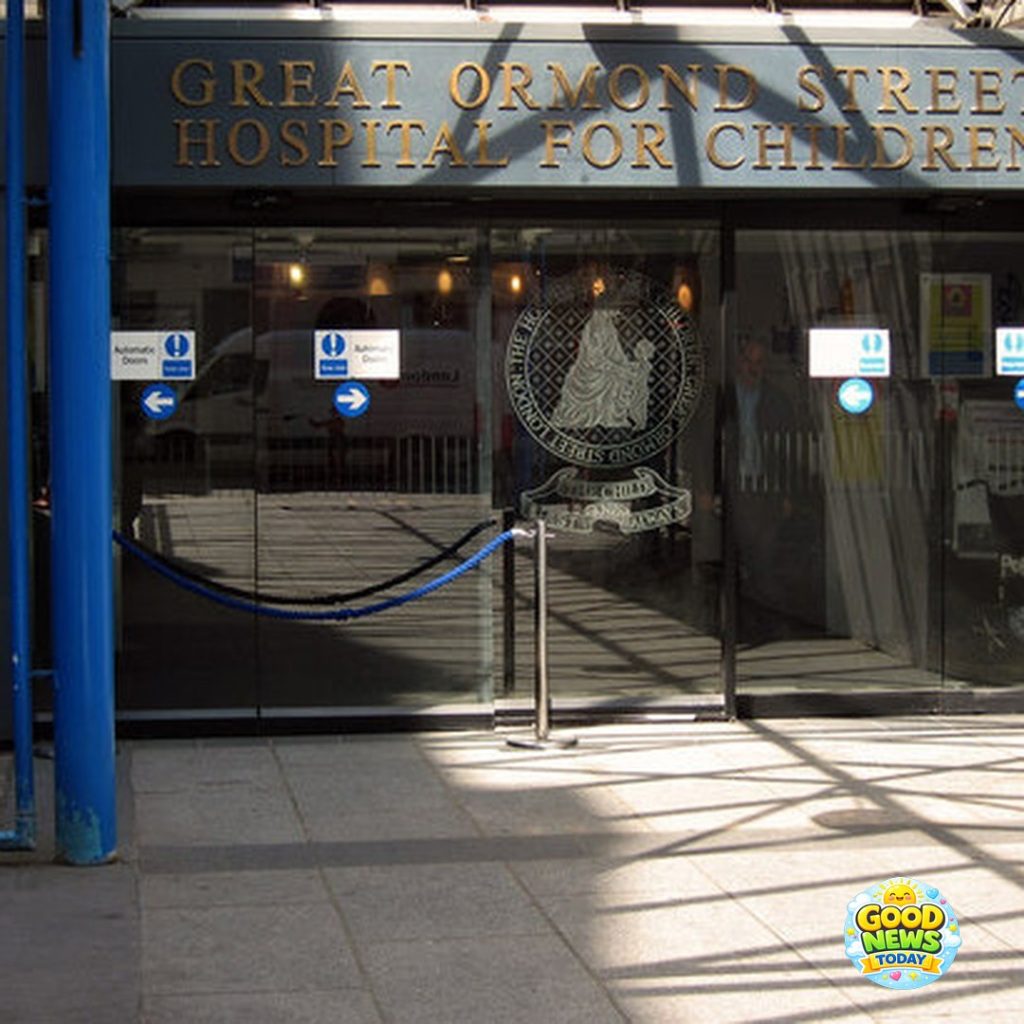
The trial included 81 participants aged between 2 and 18, all experiencing up to 18 seizures every month due to Dravet syndrome. The drug was administered in three doses at Great Ormond Street Hospital, in collaboration with University College London.
Incredible results were observed, with a 50% reduction in monthly seizures after the first dose, which improved to an impressive 80% reduction after three doses. Notably, all 81 patients tolerated the medication well, with no significant side effects reported.
This significant decrease in seizures has led to tangible improvements in the children’s quality of life. As they are still developing, the positive effects included enhanced motor skills and better communication abilities, along with improved coping mechanisms for dealing with Dravet syndrome.
The trial was spearheaded by Professor Helen Cross, who serves as the director and a professor of childhood epilepsy at the UCL Institute of Child Health, as well as a consultant pediatric neurologist at Great Ormond.
Professor Cross shared her insights, stating, “I regularly see patients with hard-to-treat genetic epilepsies, who can have multiple seizures a week. Many are unable to do anything independently for themselves; they require around-the-clock care and are at high risk of sudden unexpected death in epilepsy.”
She is optimistic that Zorevunersen “could help children with Dravet syndrome lead much healthier and happier lives.” In pursuit of this goal, she is organizing a phase 3 trial that will examine the drug over a more extended period to monitor for any potential serious side effects.
Dr. Alfredo Gonzalez-Sulser from the Institute for Neuroscience and Cardiovascular Research at the University of Edinburgh remarked, “There are now over 800 genetic epilepsies that need therapeutics similar to Zorevunersen. This sets a clear path to achieve effective interventions for these severe life-altering diseases for both patients and caregivers.”
Let’s celebrate this inspiring advancement in the fight against children’s epilepsy and share the hope it brings!