In the heated atmosphere leading up to the 2024 election cycle, a novel and concerning trend has emerged on dating apps — political deception through the use of secret codes. This phenomenon, highlighted by recent social media buzz and investigative observations, involves some Trump supporters employing clandestine language to mask their political affiliations while navigating romantic platforms.
As dating apps continue to grow as arenas for interpersonal connections, they are also becoming battlegrounds for political identity and expression. However, in this evolving landscape, an increasing number of young men are reportedly adopting what can be described as a coded communication strategy. This approach involves using seemingly innocuous or unrelated terms and phrases to discreetly signal their allegiance to former President Donald Trump, all while avoiding direct political disclosure.
What Is Political Deception on Dating Apps?
Political deception on dating apps refers to the practice of deliberately misleading potential matches about one’s political views. In the context of the current trend, Trump supporters are allegedly using a “secret language” composed of subtle hints and coded phrases to conceal their true political stance. This can include obscure references in profile descriptions, veiled slogans, or symbolic emojis that require insider knowledge to decode.
This tactic appears aimed at sidestepping potential rejection or conflict with users who might hold opposing views. The polarized political climate has made explicit political disclosures a deal-breaker for many dating app users, so those wishing to keep their preferences private are adapting their communication accordingly.
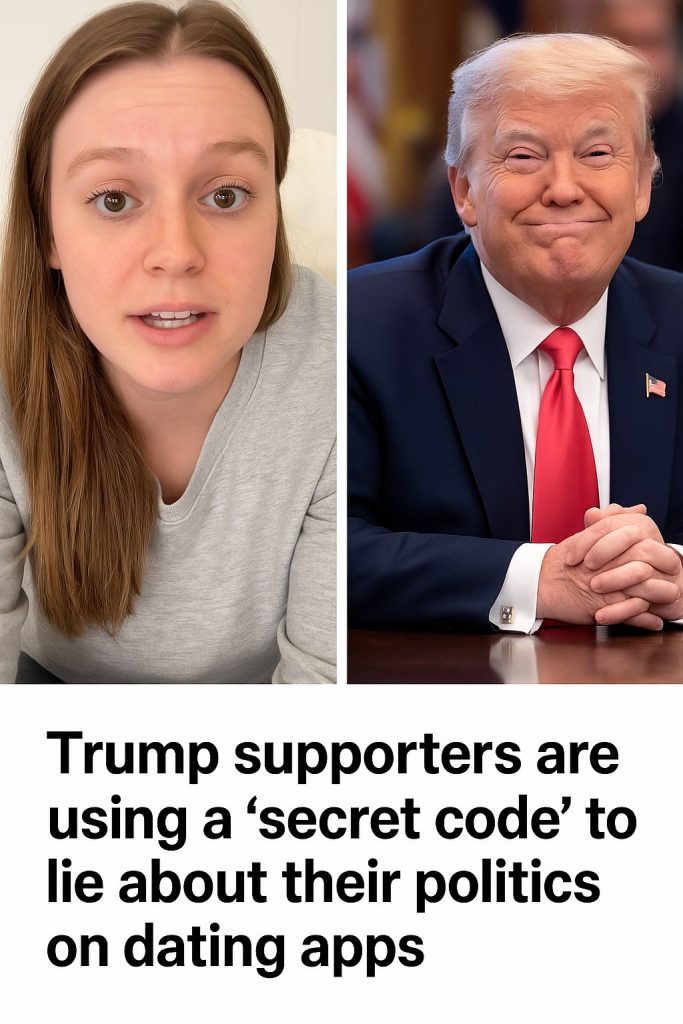
One social media image gaining traction showed two young men with text overlay suggesting that an increasing number of Trump supporters are hiding behind these codes to avoid political clashes on dating apps.
The Impact on Dating Culture and Political Discourse
Experts warn that this form of deception complicates the already challenging task of establishing authenticity in online dating. Beyond just politics, it raises broader questions about honesty and transparency between potential partners. While political differences can be a source of tension, the covert masking of beliefs threatens to erode trust and foster misunderstandings in early relationship stages.
Furthermore, the use of secret codes highlights the deep divisions and anxieties surrounding political identity in modern society, especially among younger generations who are both highly active on digital platforms and politically engaged. By opting for cryptic signals over open dialogue, users contribute to an environment where political polarization is reinforced by mistrust and concealment rather than conversation.
Why Are Trump Supporters Using Secret Codes?
The motivation behind this emerging trend largely stems from the social stigmatization and potential backlash Trump supporters face in certain dating pools. Given the high visibility of political preferences on profiles — with many users proudly displaying their allegiances — some supporters feel compelled to obscure their views to avoid immediate dismissal or heated confrontations.
This covert communication strategy allows them to remain connected with likeminded individuals without alienating others who might swipe left upon seeing overt political references. At its core, this tactic reflects a strategic adaptation, albeit one that blurs lines of honesty.
Looking Ahead
As the 2024 elections approach, the intersection of romance, politics, and social media is becoming increasingly complex. While political discourse is a natural part of social interaction, the rise of hidden codes and political deception on dating apps underscores the challenges young adults face in balancing personal beliefs with relationship goals.
Dating app platforms may soon need to consider how to foster environments that encourage openness and respect for diverse political perspectives — reducing the need for secrecy and improving the quality of connections made. Meanwhile, users navigating these digital spaces should remain mindful of the potential for coded communication and the importance of authenticity in building meaningful relationships.