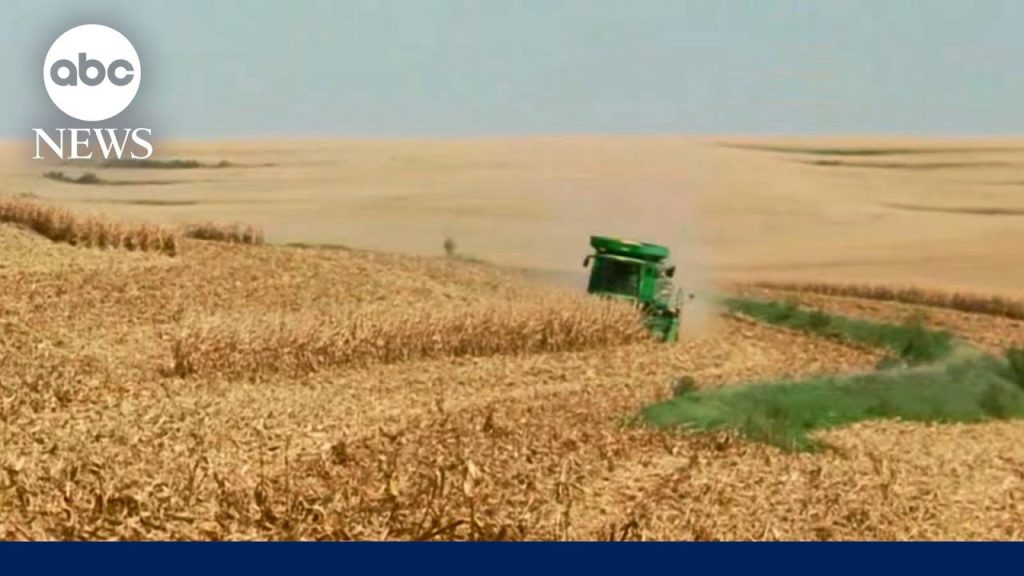
In the heart of the Midwest, Nebraska soybean farmers are grappling with the repercussions of America’s ongoing trade war, particularly the recent decision by China to halt all crop purchases in response to tariffs imposed by President Trump. The video titled “Nebraska soybean farmers on America’s trade war: ‘We are losing money’” captures the sentiments of these farmers, who are bearing the brunt of fluctuating trade policies that threaten their livelihoods.

For many Nebraska farmers, soybeans are not just a crop; they are a vital component of their economic security. The suspension of Chinese imports represents a significant loss, as China has been a major buyer of U.S. soybeans. Before the trade tensions escalated, exports to China were valued at billions of dollars, but retaliatory tariffs have forced farmers to reevaluate their financial futures. With the market in turmoil, many are reporting decreases in income and uncertainties that leave their operations hanging in the balance.
The background of this trade war dates back to 2018, when President Trump initiated tariffs on Chinese goods, citing unfair trade practices and a significant trade deficit. China responded with tariffs of its own, targeting key agricultural exports, including soybeans. As the conflict has unfolded, farmers across the U.S. have voiced concerns about the long-term implications of these international trade policies and how they jeopardize their ability to compete in a global market.
Alongside the economic strain, these farmers are also expressing frustration with the lack of clarity and continuity in trade policies. The ongoing negotiations between Washington and Beijing have left many in a state of limbo, unsure of when or how the situation will stabilize. This uncertainty not only affects soybean pricing but also has cascading effects on other sectors reliant on agricultural production, creating a ripple effect through the economy.
As the trade war continues, the voices of Nebraska’s soybean farmers serve as a poignant reminder of the human cost associated with political decisions. They are calling for more support and clearer policies that will help them navigate these turbulent times and sustain their crucial industry.
Where to Learn More
- NPR – In-depth coverage of trade policies and their impact on agriculture.
- Reuters – Updates and analyses on trade wars and economic consequences for American farmers.
- The Wall Street Journal – Comprehensive articles on agriculture and the impacts of tariffs.
- Bloomberg – Financial insights and reporting on commodity markets and trade dynamics.
- U.S. Department of Agriculture – Official reports and statistics on U.S. agriculture and trade relationships.