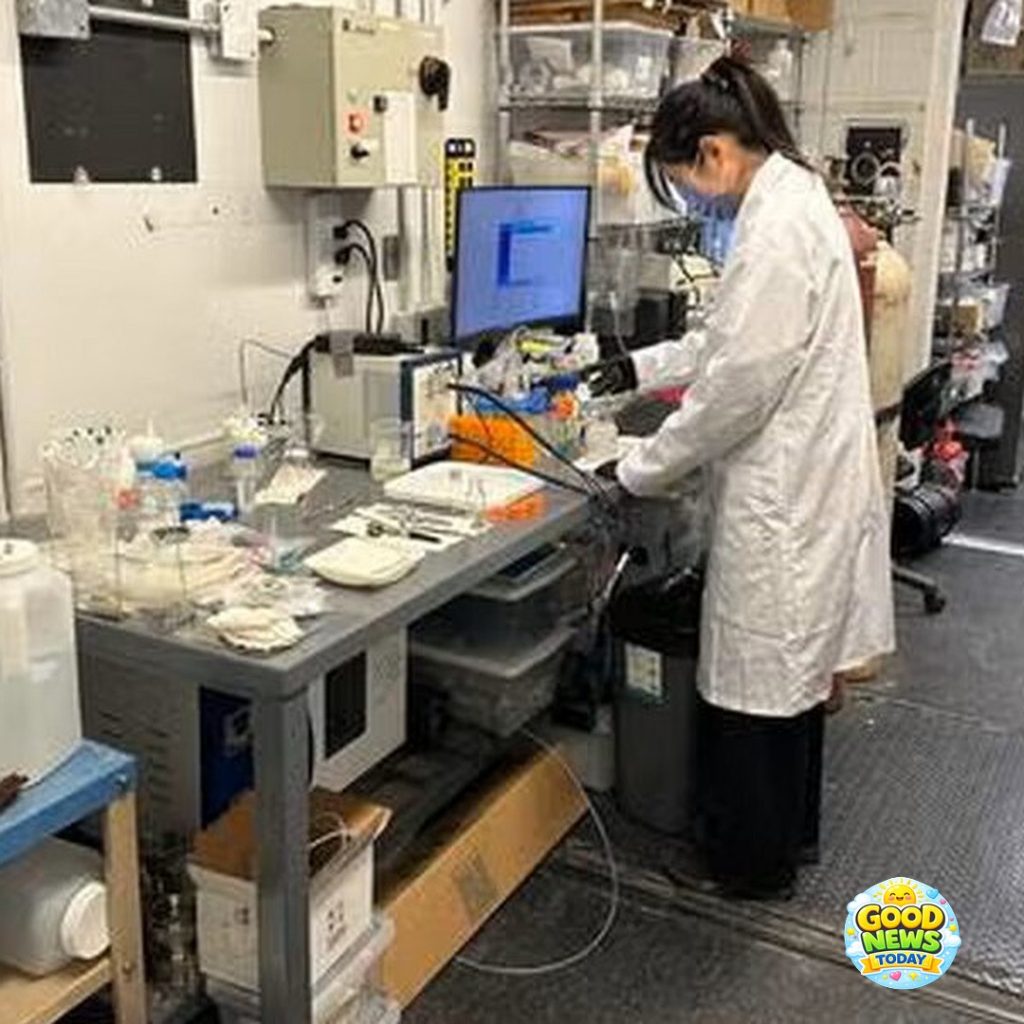
Researchers at the University of Waterloo have made an exciting discovery that transforms plastic waste into acetic acid, which is the primary ingredient in vinegar, all by harnessing the power of sunlight.
This innovative breakthrough represents a hopeful new strategy for tackling plastic pollution through a process known as photocatalysis. Not only does it aim to reduce plastic waste, but it also generates a valuable chemical product, drawing inspiration from natural processes.
“Our objective was to address the plastic pollution crisis by converting microplastic waste into high-value products using sunlight,” explained Dr. Yimin Wu, a professor of mechanical and mechatronics engineering at the University of Waterloo in Canada.
Plastic waste, particularly microplastics, has infiltrated numerous ecosystems worldwide, raising significant concerns about its impact on both wildlife and human health. Recycling rates for plastic remain alarmingly low across the globe.
To tackle this pressing issue, the research team developed a bio-inspired photocatalysis method that utilizes iron atoms embedded in carbon nitride, mimicking the way certain fungi break down organic materials using enzymes.
When this innovative material is exposed to sunlight, it initiates a series of chemical reactions that efficiently convert plastic polymers into acetic acid. The reaction occurs in water, making it especially relevant for combating plastic pollution in aquatic environments.
Acetic acid is widely utilized in various sectors, including food production, chemical manufacturing, and energy applications. Remarkably, the study demonstrates that it can be derived from common plastic waste types such as PVC, PP, PE, and PET, proving effective even in mixed plastic compositions.
This promising method offers a viable alternative to plastic incineration and supports more sustainable material use, paving the way for a circular economy while providing an innovative strategy for upcycling plastics.
“From both a business and societal viewpoint, the financial benefits associated with this innovation appear very promising,” shared Roy Brouwer, executive director of the Water Institute and coauthor of the article that supports the techno-economic analysis.
“This approach allows us to utilize abundant and free solar energy to decompose plastic pollution without contributing additional carbon dioxide to the atmosphere,” adds Dr. Wu.
The findings also open new avenues for directly addressing microplastics. Since the process breaks down plastics at the chemical level, it could play a crucial role in preventing the accumulation of microplastics in our water systems.
While the research is still in the laboratory phase, the team envisions that this method could be adapted for scalable, solar-powered recycling and environmental cleanup. Furthermore, the photocatalytic upcycling system can be refined through strategic engineering of materials and manufacturing processes.