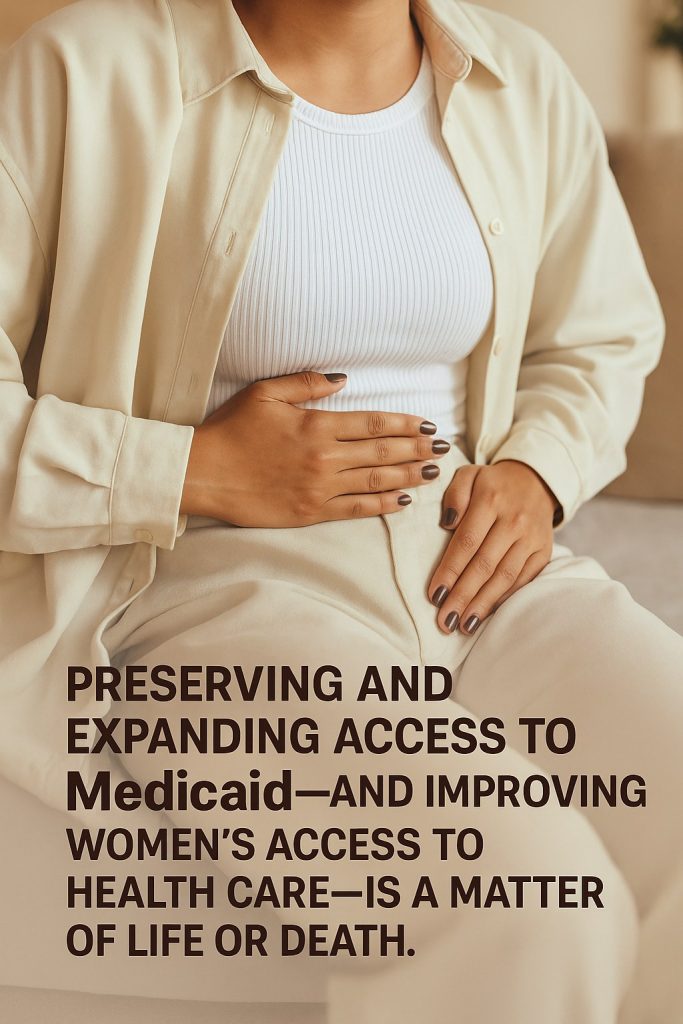
In a time when health care access can mean the difference between life and death, the ongoing conversation surrounding Medicaid is more crucial than ever. As many states grapple with budgetary constraints and legislative roadblocks, the future of Medicaid remains uncertain, particularly for women who are often the primary caregivers in their families and face unique health challenges.
Recent discussions on social media have underscored the plight of millions of women across the United States who depend on Medicaid for essential services, ranging from maternal health care to chronic illness management. Advocates argue that preserving and expanding access to this vital program is not just a matter of policy, but a pressing moral obligation. With maternal mortality rates in the U.S. among the highest in the developed world, the stakes are high.
Data reveals a stark reality: Women, particularly those of color, face disproportionately high risks during pregnancy and childbirth. According to the Centers for Disease Control and Prevention (CDC), Black women are three times more likely to die from pregnancy-related causes than white women. A robust Medicaid program could help reduce these disparities by ensuring that vulnerable groups receive adequate prenatal and postnatal care.
Moreover, the expansion of Medicaid under the Affordable Care Act provided coverage for millions of women who were previously uninsured. However, several states have resisted expanding this important safety net, leaving countless families to navigate a fragmented and inadequate health care landscape. In states that have not expanded Medicaid, women often face barriers to needed services, leading to increased rates of untreated health conditions and greater overall health costs.
Throughout various social media platforms, personal stories of struggle have emerged, highlighting women’s experiences seeking care amidst these hurdles. From tales of difficulty in finding specialists to the inability to afford medications, these narratives paint a vivid picture of the consequences stemming from limited access to Medicaid. One tweet went viral, emphasizing that “it should never be a gamble to access health care.”
As policymakers continue to negotiate the future of Medicaid, it is essential to focus on the potential lives at stake. Expanding access not only supports individual health but also uplifts entire communities. Research shows that when women have access to comprehensive health care, the positive effects ripple out to their families, children, and society as a whole.
Collective action is proving to be essential in this fight. Organizations such as Planned Parenthood and the National Women’s Law Center have been vocal advocates for Medicaid expansion, emphasizing how it directly affects women’s health outcomes. Engaging in local advocacy efforts and encouraging discussions about the importance of Medicaid can drive change at both state and federal levels.
Access to health care is a right, not a privilege, and as the conversation grows on social media, it is vital for these stories not to be forgotten. Women’s lives depend on it.
Where to Learn More
- Maternal Mortality and Morbidity – CDC
- Planned Parenthood Action Fund – Planned Parenthood
- National Women’s Law Center – National Women’s Law Center
- Medicaid and Women’s Health: Fact Sheet – Kaiser Family Foundation
- The Importance of Medicaid in Women’s Health – Health Affairs