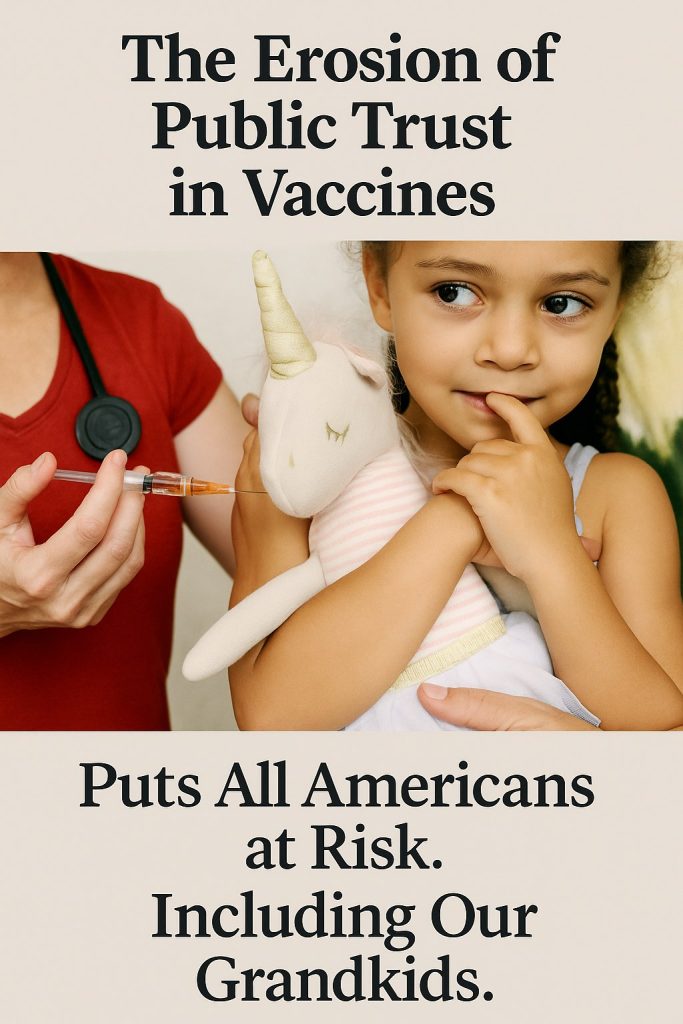
The U.S. is grappling with its worst measles epidemic in over 30 years, with nearly 1,500 reported cases and at least three fatalities in 2023 alone. As fear and skepticism surrounding vaccines reach troubling levels, it becomes clear that the erosion of public trust did not occur overnight. This growing unease is stoked by what Ohio pediatrician Dr. Arthur Lavin describes as “the unfortunate rise of misinformation, disinformation, and misguided parental anxiety” regarding vaccines, which threatens the well-being of all Americans, including future generations.
For decades, routine immunizations have successfully minimized infectious diseases like measles, which was once a common childhood ailment. However, the surge of anti-vaccine rhetoric proliferating on social media platforms and other outlets has contributed to significant drops in vaccination rates. According to the CDC, only 84% of children in the U.S. received the measles, mumps, and rubella (MMR) vaccine by age two, compared to the recommended level of 95% necessary to maintain herd immunity.
Measles, a highly contagious virus, spreads through respiratory droplets and can lead to severe complications, including pneumonia, encephalitis, and even death. The resurgence of cases this year serves as a stark reminder of what’s at stake. Healthcare professionals are witnessing firsthand the consequences of hesitancy towards vaccinations—children are becoming gravely ill as a direct result of missed vaccinations, which could have been easily prevented.
In distinct contrast to times gone by when vaccines were widely accepted and trusted, today’s climate presents a perfect storm for disease re-emergence. “People need to understand that misinformation doesn’t just exist; it spreads and has real-world ramifications,” Dr. Lavin emphasized. The conflict between scientific evidence and emotional responses to misinformation has left the public confused and reluctant to embrace vaccinations that have historically saved millions of lives.
Political and social factors also play a considerable role in shaping attitudes toward vaccines. Many communities are divided by varying beliefs about personal freedom, parental rights, and the perceived risks of vaccination, resulting in low immunization rates in pockets across the country. This conflict has proven deadly, with the current epidemic drawing attention not just to the relevance of vaccines but also to the need for science-based communication to counteract misinformation.
As parents grapple with concerns about vaccine safety, experts are calling for a united front in correcting myths and misapprehensions surrounding immunizations. Public health campaigns that leverage trusted voices—such as pediatricians, public figures, and community leaders—can serve as critical tools in restoring trust and educating about the importance of staying vaccinated.
The data could not be clearer; vaccines save lives. As America faces yet another public health crisis, it is more crucial than ever to advocate for vaccine awareness and to confront hesitancy directed by misinformation. For the safety of our children, our communities, and our society as a whole, reinforces the importance of making informed decisions based on credible science rather than viral propaganda.
Where to Learn More
- Measles Cases and Outbreaks – CDC
- Measles Fact Sheet – World Health Organization
- The Measles Epidemic: What You Should Know – Healthline
- A Resurgence of Measles in the U.S. and the Vaccine Debate – The New York Times