In 2023, the United States is facing its worst measles epidemic in over three decades, with reports of nearly 1,500 cases and at least three deaths attributed to this preventable disease. This alarming surge is a stark reminder of how the gradual erosion of public trust in vaccination has led to severe consequences for public health.
Dr. Arthur Lavin, a pediatrician based in Ohio, has been at the forefront of addressing the growing concern surrounding vaccines. He refers to the current climate as “the unfortunate rise of misinformation, disinformation, and misguided parental anxiety” related to the safety and efficacy of vaccines. These factors have collectively contributed to a rising tide of vaccine hesitancy that poses a threat not only to our children but also to future generations.
The anti-vaccine movement, which has gained traction in recent years largely due to misleading information on social media, has ironically led to the resurgence of diseases we once had under control. Measles, a highly contagious viral infection, was declared eliminated from the United States in 2000. However, the recent spike in cases has forced public health officials to confront the ramifications of failing to address vaccine skepticism.
According to the CDC, the resurgence can be traced back to communities with lower vaccination rates where misinformation has flourished. Parents who are hesitant to vaccinate their children often cite concerns about vaccine safety, fueled by reports linking vaccines to various health issues—reports that have been discredited by numerous scientific studies.
The outbreak has not only targeted children but has also affected adults who have either opted out of vaccinations or are not up to date on their immunizations. Furthermore, the situation has sparked renewed discussions about policies surrounding mandatory vaccination, particularly in schools and daycare centers, which serve as critical environments for disease spread.
The impact of the measles epidemic is evident; health care systems are strained, public health officials are urging vigilance, and communities are grappling with the consequences of declining vaccination rates. Moreover, outbreaks such as this one pose a risk for those unable to receive vaccines due to medical conditions, underscoring the importance of herd immunity.
As the nation confronts this crisis, health experts emphasize the need for clear communication strategies to combat misinformation. Vaccination programs must prioritize transparency, accessibility, and education to restore public trust. Healthcare providers are urged to engage directly with concerned parents, addressing their fears with empathy and accurate information.
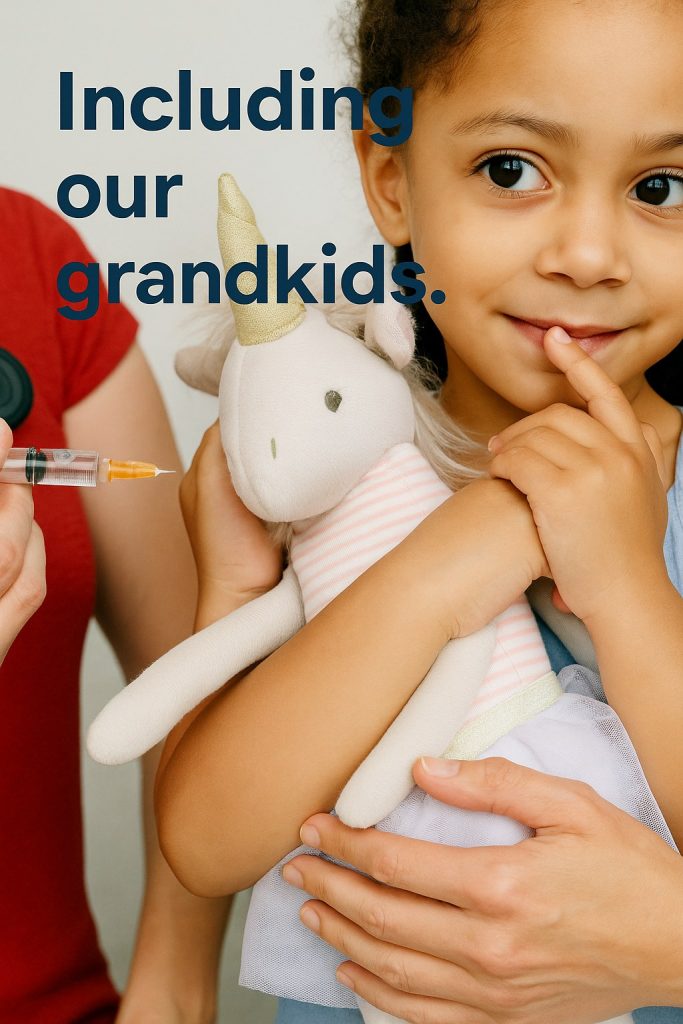
Public trust in vaccines did not erode overnight, and it will not be restored quickly either. However, addressing the roots of vaccine skepticism through community outreach and education can make a significant difference. As we navigate this resurgence of measles, it’s crucial for Americans to understand that the health and safety of our children—and grandchildren—depend on the choices we make today.
Where to Learn More
- Measles Overview – Centers for Disease Control and Prevention
- Vaccines and Immunization – World Health Organization
- The Rise of Measles and Vaccine Misinformation – The New York Times
- Vaccine Hesitancy: Causes and Consequences – NCBI