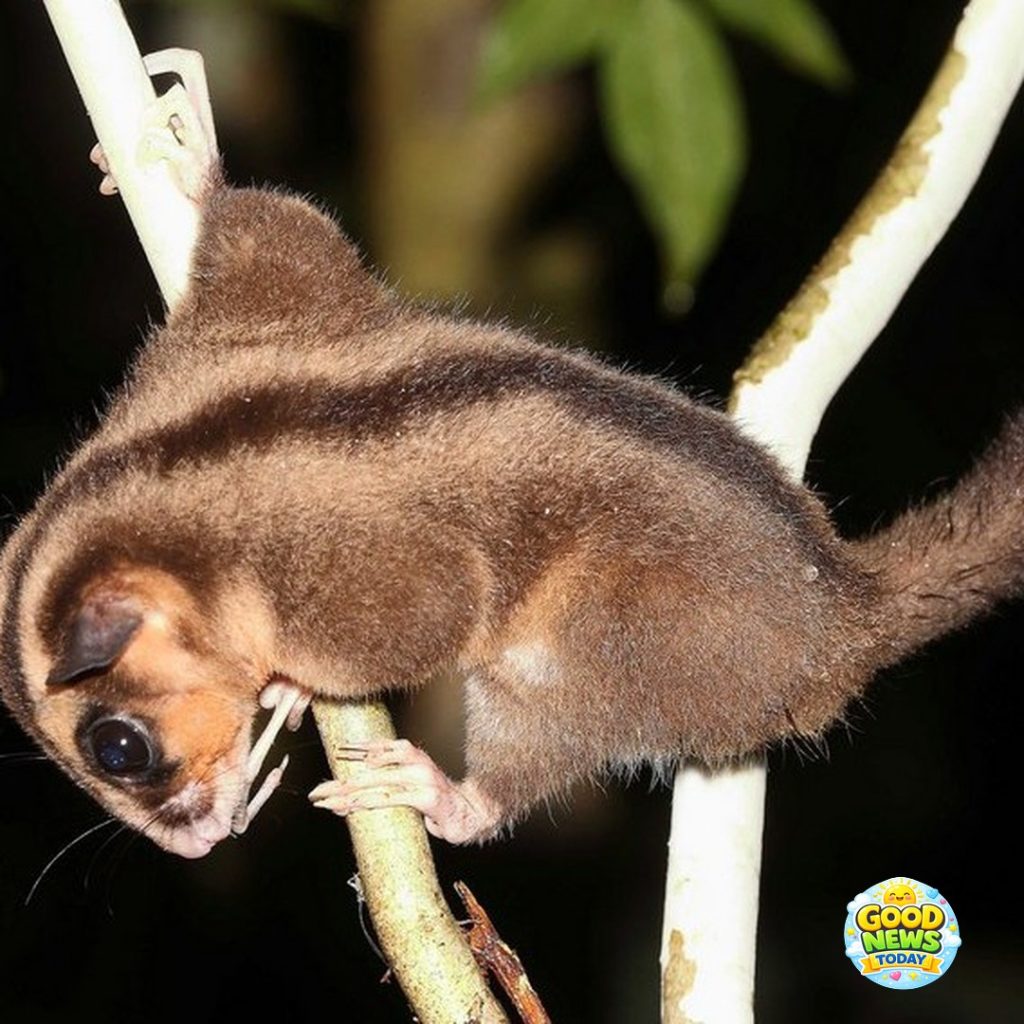
Exciting news has emerged from the enchanting island of New Guinea, where two remarkable species of arboreal marsupials, previously believed to have vanished over 6,000 years ago, have been rediscovered! These creatures, known only from fossilized remains, are now being celebrated as “living fossils,” a term often used to describe species that have persevered through time.
The pygmy long-fingered possum (Dactylonax kambuayai) and the ring-tailed glider (Tous ayamaruensis) are the newest additions to a rare group of animals that were first identified through fossils and have now been found alive. Researchers noted in their study that only a select few species have the unique distinction of being described initially from fossil evidence before being rediscovered as living entities. In paleontological terms, such remarkable occurrences are referred to as “Lazarus taxa.”
Located in the Vogelkop peninsula of West Papua, which is part of Indonesia’s New Guinea, archaeological digs in the late 20th century uncovered skulls and teeth from an animal not previously known to science. In 2007, a researcher theorized that this species might still be extant, drawing parallels with other marsupials found on the island. Given New Guinea’s largely unexplored terrain, the researcher believed that comprehensive surveys would eventually confirm the animal’s existence.
During a recent expedition organized by mammalwatching.org, photographer Carlos Bocos captured an image of a long-fingered possum perched in a tree. Although this sighting was thrilling, it wasn’t conclusive evidence, as two other long-fingered possum species exist in the region.
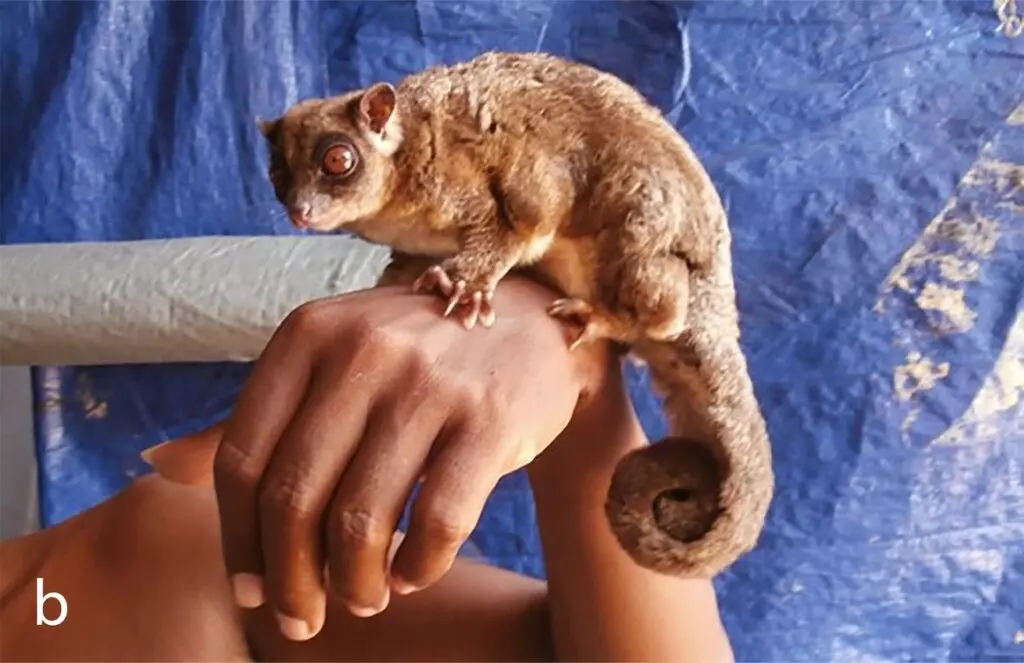
These marsupials are known for their impressively elongated third digits, which they skillfully utilize to locate and extract wood-boring insects that comprise their diet. Fortunately for Tim Flannery, the lead author of the rediscovery paper, two specimens that had been misidentified were found stored at the University of New Guinea. These specimens were originally thought to belong to a closely related species.
Flannery expressed his excitement, stating, “We’ve been able to finalize two pieces of work that are incredibly important from a biological and conservation perspective, documenting the existence of rare marsupials in an area under threat. It’s sort of a crowning glory in my career as a biologist.”
Through Flannery and his team’s research, which included Bocos’ photographs, fossil records, and museum specimens, they established that the long-fingered possum is not only a distinct species but also belongs to a new genus—marking the first new genus of New Guinean mammals identified since 1937. The distinguishing feature of this possum is its remarkable finger, which serves as a clear identifier among its relatives.
This incredible discovery highlights the importance of continuous exploration and conservation efforts, reminding us that nature still holds many surprises waiting to be uncovered!