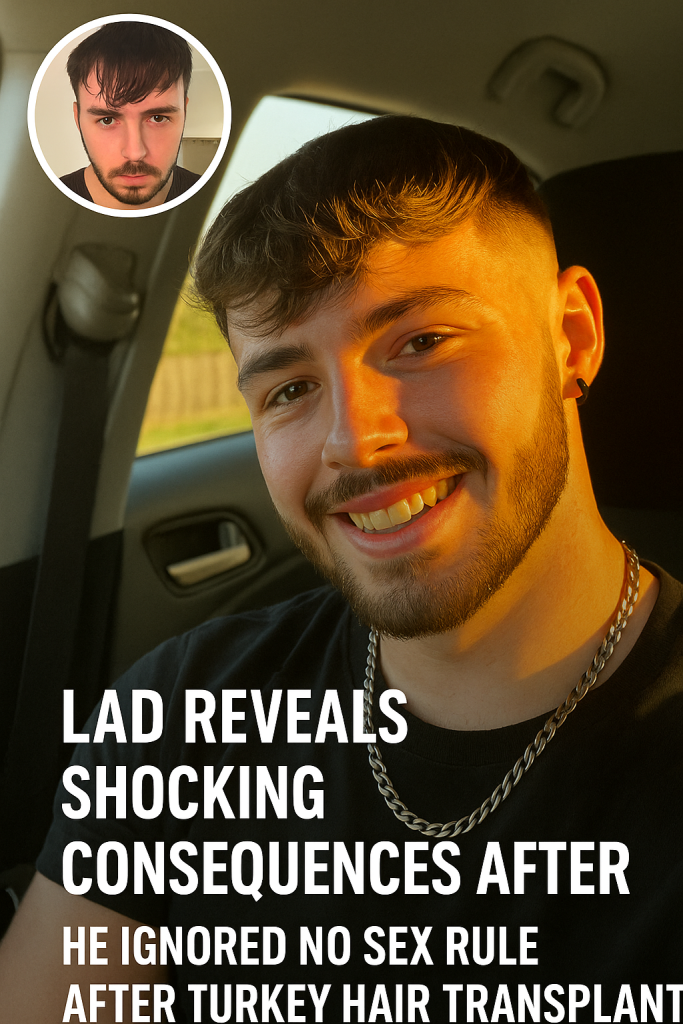
A man’s routine hair transplant journey in Turkey took an unexpected and alarming twist after he disregarded medical advice to abstain from sexual activity during his recovery. What began as a cosmetic procedure soon turned into a frightening health scare, with the patient initially fearing he had contracted a sexually transmitted infection (STI).
Turkey has become a global hub for affordable and high-quality hair transplants, attracting thousands from around the world. Patients are frequently counselled to follow strict post-operative guidelines, including a recommended “no sex” period, typically lasting several weeks, to minimize risks of complications and to ensure proper healing of the transplanted follicles.
The Story Behind the Scare
The 30-something man, who chose to remain anonymous, shared his experience publicly after enduring unexpected consequences. Eager to resume normal life and unaware of the severity, he engaged in sexual activity shortly after undergoing the procedure, explicitly ignoring his surgeon’s warnings.
Within days, he noticed unusual symptoms: redness, swelling around the scalp, and discomfort that went beyond normal post-transplant soreness. To his distress, he also developed unusual discharge and irritation, which fueled his growing anxiety that he might have contracted an STI.
“At first, I was terrified. I thought the worst had happened—that I’d caught an infection from somewhere else,” he revealed. “But it soon became clear this was something related to the transplant.”
Medical Experts Weigh In
Health professionals emphasize the importance of adherence to post-operative instructions, particularly the no-sex rule following hair transplant surgery. Doctors explain that engaging in sexual activity too soon can exacerbate swelling and inflammation, or even lead to infections due to increased blood flow and sweating around the treated area.
“The scalp after a hair transplant is essentially a large wound. Sexual activity can increase heart rate and sweating, which may compromise wound healing and introduce bacteria into the delicate graft sites,” medical experts warn. “In some cases, this can mimic or mask symptoms similar to those seen in STIs, resulting in unnecessary panic.”
Further medical evaluation for the man ruled out any sexually transmitted diseases. Instead, his symptoms were attributed to a post-operative infection aggravated by premature physical activity, including sex. He was prescribed appropriate treatment, and his condition improved over the following weeks.
Lessons Learned and Advice for Future Patients
The ordeal serves as a cautionary tale for those considering hair transplants, especially in countries like Turkey, where the procedure’s popularity is soaring. Patients must rigorously follow all post-operative protocols to avoid complications.
Experts recommend a no-sex interval ranging from two to four weeks after the surgery, although individual cases may vary based on clinic guidelines and the extent of the transplant. Besides abstaining from sexual activity, patients should avoid excessive sweating, strenuous exercise, and exposure to dust or water until fully healed.
“Patience during recovery is key to both the appearance and health of your new hairline,” the anonymous patient stressed after reflecting on his experience. “Ignoring rules because you feel fine in the moment can lead to bigger problems down the line.”
This hair transplant horror highlights the critical importance of post-surgery care and respectful adherence to medical advice. While cosmetic procedures continue to grow in popularity worldwide, their success hinges not only on the skill of surgeons but equally on patient responsibility during recovery.