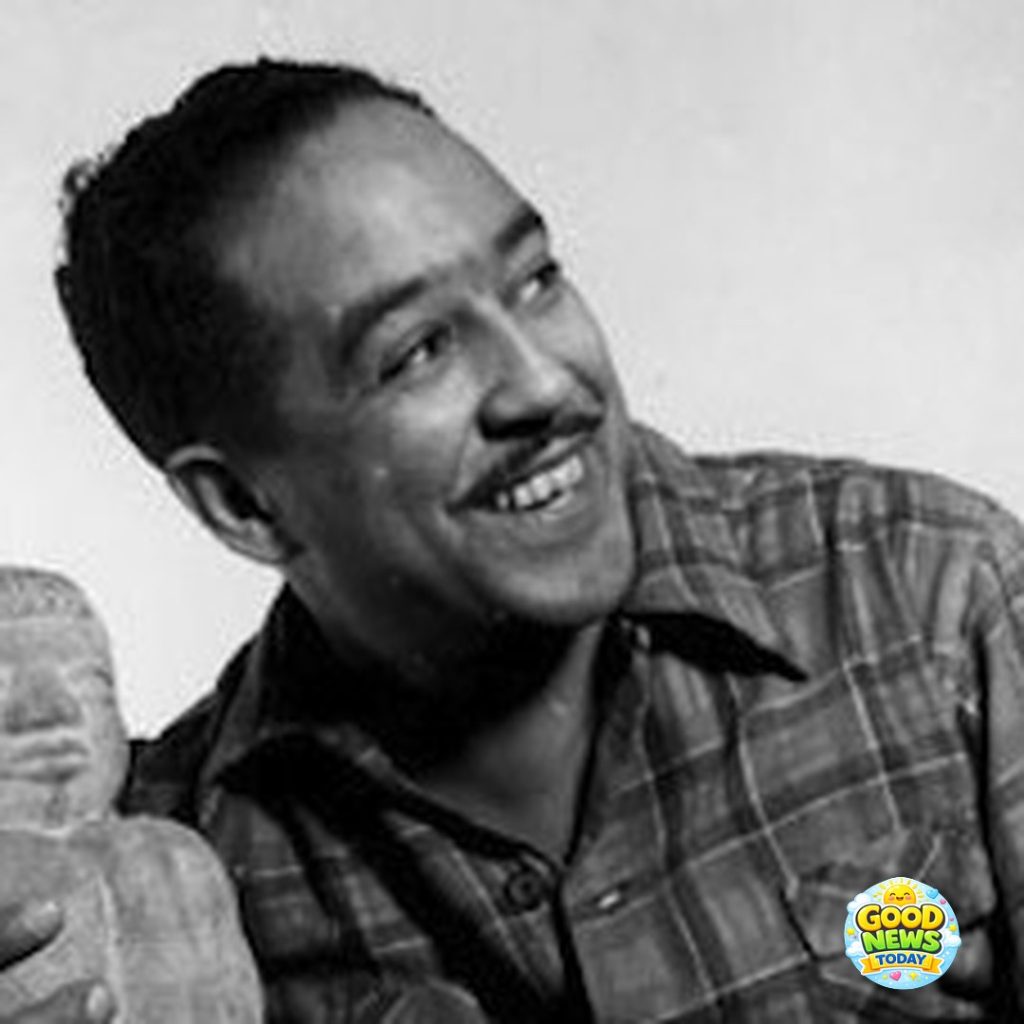
Celebrating 125 years since the birth of the influential African-American writer, poet, and playwright Langston Hughes, we honor his legacy on what has become the inaugural day of Black History Month. Hughes emerged as a key figure during the Harlem Renaissance, contributing significantly to The Crisis, the official magazine of the NAACP, and writing a weekly column for the Chicago Defender, a major black newspaper. He was also a trailblazer in the development of jazz poetry, using his platform to explore not only the fight against segregation but also the complexities of prejudice and division within the African American community, as well as broader cultural and societal themes in America from the 1920s to the 1960s.
Hughes’ literary works vividly depicted the lives of working-class African Americans, capturing their struggles, joys, laughter, and the rhythm of their lives. His first collection of poems, published in 1921, was titled The Weary Blues, with the titular poem standing out as one of his hallmark pieces.
“Droning a drowsy syncopated tune,
Rocking back and forth to a mellow croon,
I heard a Negro play.
Down on Lenox Avenue the other night
By the pale dull pallor of an old gas light.”
In his profound essay The Negro Artist and the Racial Mountain, Hughes expressed the aspirations of younger black artists: “The younger Negro artists who create now intend to express our individual dark-skinned selves without fear or shame. If white people are pleased we are glad. If they are not, it doesn’t matter. We know we are beautiful. And ugly, too. The tom-tom cries, and the tom-tom laughs. If colored people are pleased we are glad. If they are not, their displeasure doesn’t matter either. We build our temples for tomorrow, strong as we know how, and we stand on top of the mountain free within ourselves.”

In addition to celebrating Hughes’ remarkable contributions, we also note some other significant events that occurred on this date:
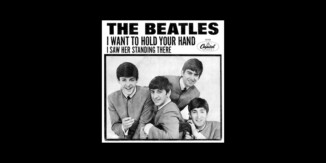
62 years ago, the British Invasion made waves in the United States as The Beatles climbed to #1 on the Billboard Hot 100 with their hit I Want to Hold Your Hand. This song later gave way to their previous chart-topper, She Loves You. Written by John Lennon and Paul McCartney, the catchy tune was recorded with a vibrant energy that captivated audiences. After its release, it quickly ascended the British charts, marking a historic moment in music history.
Just three days following its launch, an impressive quarter of a million copies had been sold, showcasing the immense demand for the song. In fact, Capitol Records, overwhelmed by the excitement, even enlisted Columbia Records and RCA to help with pressing additional copies.
Additionally, 13 years ago, London’s iconic Shard opened its viewing platform to the public, offering breathtaking panoramic views of the city through innovative “tell:scopes.”
As we reflect on these moments, we are reminded of the power of creativity and the enduring impact of art in shaping our culture and history.