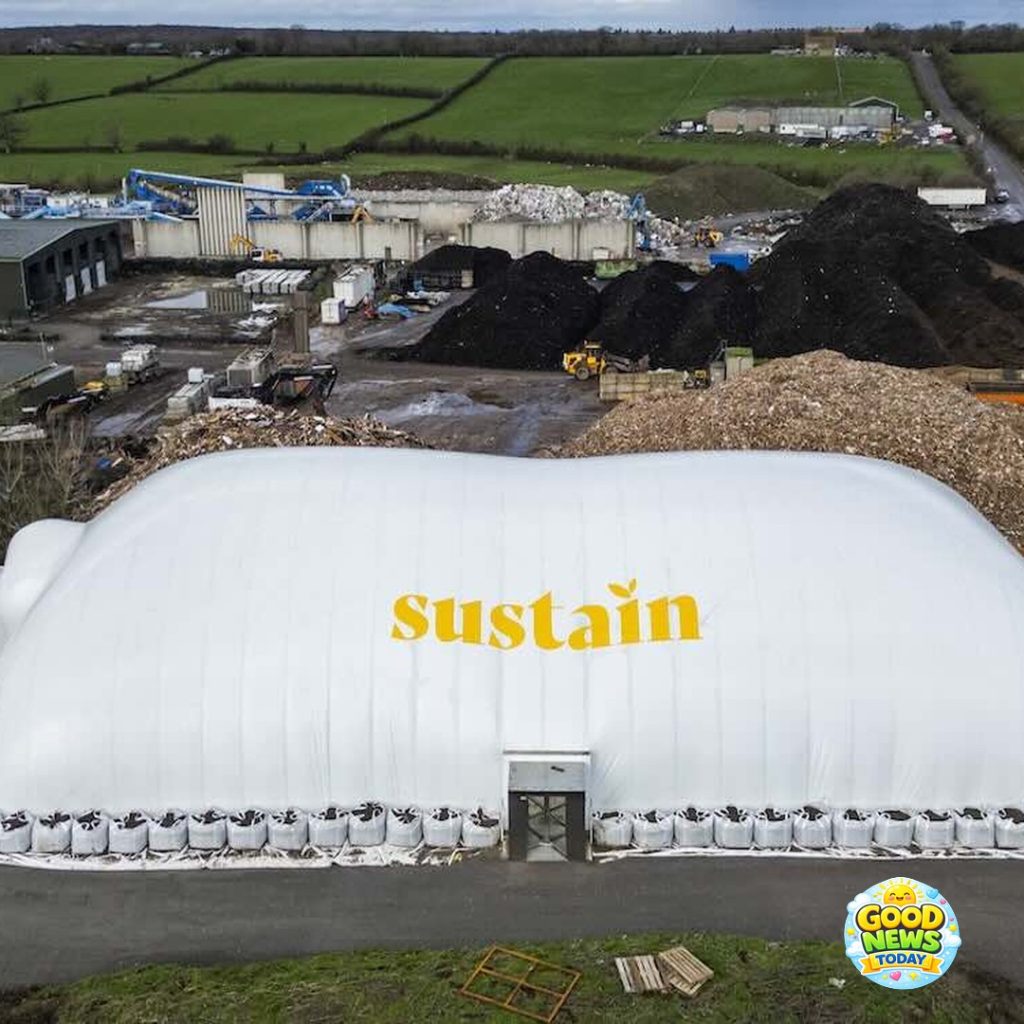
A remarkable initiative is taking shape 90 miles outside London, where a landfill is cleverly harnessing methane from waste to generate electricity and cultivate sustainable produce, even in the chilly English winters.
This innovative approach transforms landfill sites into low-emission, cost-effective hubs for fruit and vegetable production, providing ideal growing conditions throughout the year.
The impressive dome in Wiltshire, England, acts as a greenhouse, relying entirely on energy generated from waste on the premises to power its heating, ultraviolet lights, and fans.
Spanning an area equivalent to three tennis courts (8,450 sq-ft) and standing 30 feet tall, this dome has the capacity to yield 10 tons of fresh produce annually.
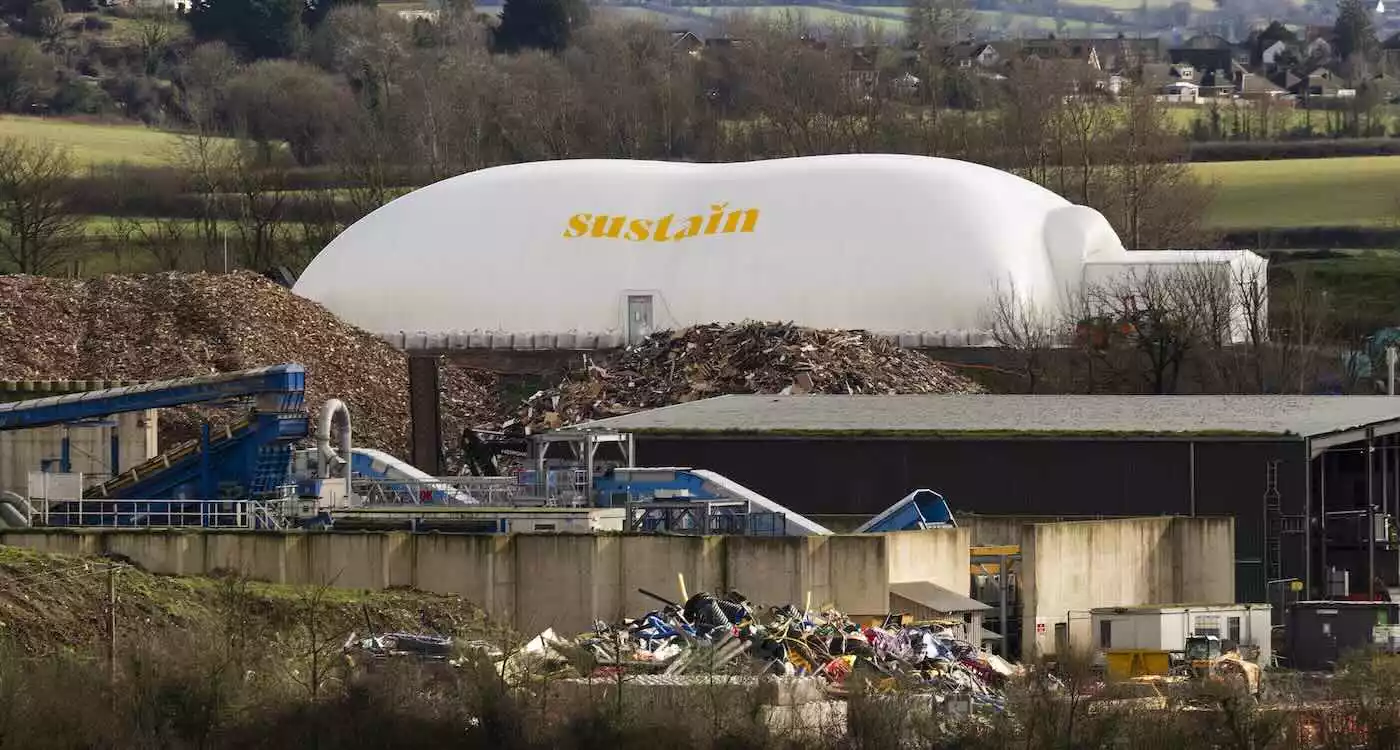
Founded by the family-run Crapper and Sons Landfill Ltd, the Community Interest Company named Sustain Wiltshire channels its profits for the benefit of the community.
Dubbed a “world first,” this landfill-powered dome employs hydroponics and raised planters, allowing it to grow avocados—something typically only found in the UK through imports.
With the goal of reducing costs, Sustain Wiltshire believes that their locally-grown vegetables will be more affordable than those available in supermarkets. To further enhance sustainability, the company plans to collect vegetable waste, integrating it back into the production cycle.
Instead of relying on expensive warehousing and distribution networks for fresh produce across the UK, customers will have the convenience of purchasing their food through an app. Deliveries will go directly to families’ doors, and the resulting food waste will be collected and returned to the site to generate additional electricity.
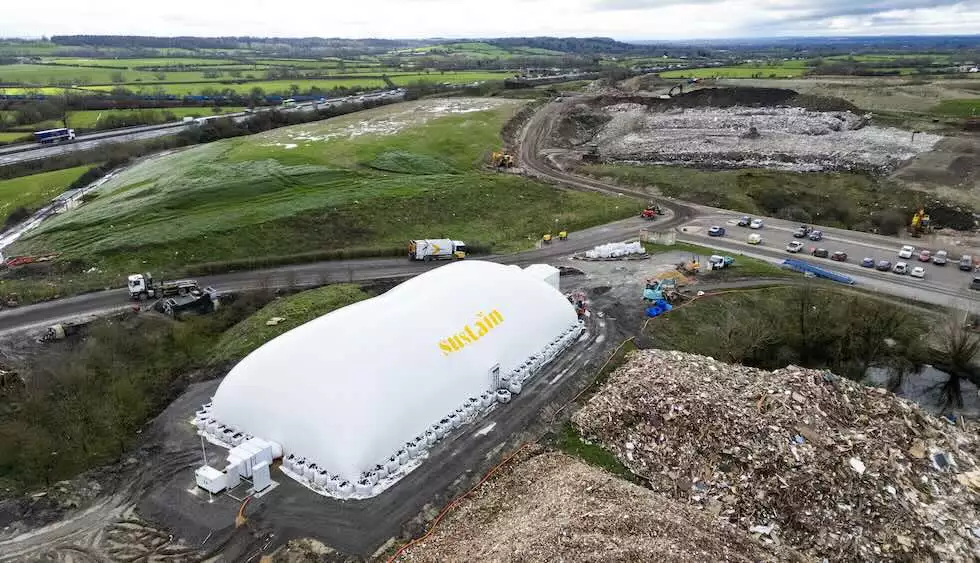
Sustain Wiltshire has devised a system to collect landfill gas, which consists of methane, carbon dioxide (CO2), and hydrogen sulfide, through a network of wells embedded in the landfill. The gases produced by decomposing waste are directed to a central location, where hydrogen sulfide is removed during the cleaning process.
The resultant methane-rich biogas fuels a combined heat-and-power gas engine that powers the inflatable growing domes, maintaining optimal temperatures for plant growth. Additionally, carbon dioxide is captured from engine exhausts, cleaned, and stored for use within the domes, where it will aid in photosynthesis, converting CO2 into oxygen.
If this pioneering dome proves successful, plans are in place to install an additional 100 domes on the Crapper and Sons landfill site. This expansion could potentially meet up to 80% of the fruit and vegetable needs for the nearby towns of Royal Wootton Basset, Purton, and Brinkworth within the next decade.
“It has the potential to change the face of food production as we know it,” expressed Nick Ash, Project Director for Sustain Wiltshire.
“On this one site alone, we have the potential to produce over 8,000 tons of affordable fruit and vegetables annually, creating 130 new jobs,” he added, emphasizing the positive impact this project could have on the local community.