
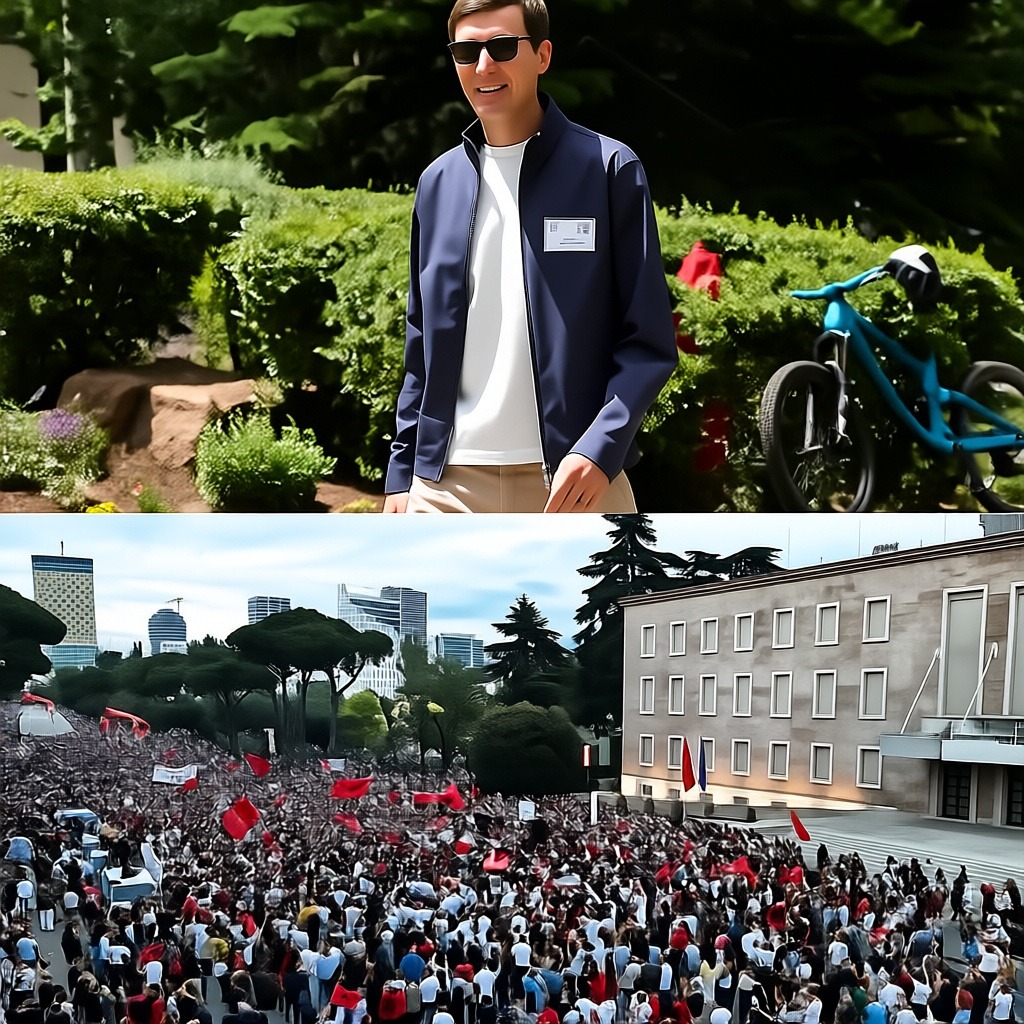
In a stunning development that combines real estate, international intrigue, and environmental protests, Albanian prosecutors have frozen approximately €110 million (around $126 million) from the sale of what was meant to be a luxurious island resort owned by Jared Kushner, son-in-law of former U.S. President Donald Trump. The controversy centers on allegations that the land was purchased using cocaine money and the deeds involved were forged, raising serious questions about corruption, legality, and environmental preservation.
The resort, planned for the historic island of Sazan—an 111-acre former military base and pristine habitat for sea turtles and flamingos—was envisioned as a high-end luxury project spearheaded by Kushner’s firm. Ivanka Trump is reportedly involved, and the project received fast-track “strategic investor” status from Albania’s government just weeks after Trump’s 2024 reelection bid, a move critics say hints at political favoritism.
The land sale was executed in April by Miami-based businessman Artur Shehu. According to case files from Albania’s anti-corruption prosecutors, reviewed by Reuters, the sale was tainted by illegal activities. Prosecutors allege that Shehu and associates had obtained the land using illicit funds derived from drug trafficking and had manipulated property titles—falsifying ownership documents, inflating parcel sizes, and shuffling land titles to evade detection.
“Reasonable suspicions are formed, based on evidence,” prosecutors stated, although they have not publicly identified the source of the illicit money. The U.S. Justice Department has yet to confirm whether it has been asked by Albania to locate Shehu in Miami, adding an international legal dimension to the case.
Shehu’s lawyer has vehemently denied wrongdoing, claiming that his family has owned the land since the Ottoman Empire era and asserting that the sale was lawful. The project’s spokesperson, contacted by Reuters, declined to comment on the legality of the land purchase.
This isn’t Kushner’s first Balkan controversy. In December, he withdrew from a Trump-branded tower project in Belgrade after Serbian officials faced charges related to abuse of power and forgery. Critics argue that these are two sides of the same corrupt coin—deals entangled with forgery, questionable political influence, and shadowy international transactions.
The environmental toll is also causing concern. Satellite images analyzed by The New York Times reveal nearly 20 acres of protected pine forest and dunes already cleared, along with new infrastructure such as roads and bridges—destined for a project not yet subjected to proper environmental review. The coastline’s fragile ecosystems, habitats for endangered sea turtles and flamingos, are at risk, sparking protests across Albania. Activists, calling themselves the Flamingo Revolution, have staged demonstrations featuring pink flamingo cutouts outside Prime Minister Edi Rama’s office.
The Albanian government’s move to fast-track the project has attracted criticism from the European Union, which warns that enabling legislation could threaten the country’s EU membership prospects. Meanwhile, Prime Minister Rama remains resolute, insisting that construction will proceed despite environmental and legal concerns.
Adding to the scandal’s political resonance, U.S. lawmakers like Bernie Sanders have characterized Kushner’s involvement as emblematic of a broader pattern of oligarchic influence. Senator Jon Ossoff questioned whether Kushner’s privilege would exist outside the realm of political connections, reflecting widespread suspicion that the project exemplifies “money going in, favors coming out.”
From lavish yacht meetings to alleged forged deeds and ongoing protests, the Kushner Albanian resort saga encapsulates the complex web of influence, illicit activity, and environmental risk—raising critical questions about who really profits from these mega-deals and at what cost to communities and ecosystems.
Where to Learn More
- Reuters – Exclusive: Albania probes Kushner-linked land deal bought with suspected drug money
- The New York Times – Satellite Images Show Environmental Damage at Kushner’s Albanian Resort Site
- BBC – Albanian protests protest luxury resort built on protected land amid corruption allegations
- Euractiv – EU Warns Albania Over Fast-Tracked Land Deal and Environmental Risks
- C-SPAN – U.S. Politicians Question Kushner’s Role in Balkan Development Projects