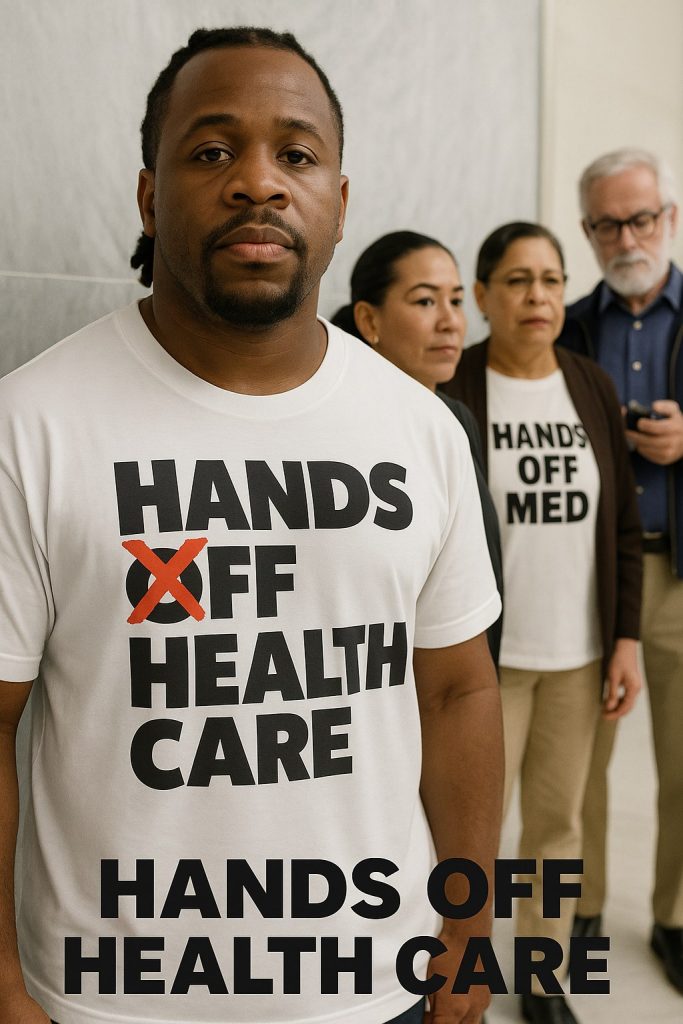
A recent poll conducted by the Kaiser Family Foundation (KFF) has surfaced revealing a significant trend in public sentiment regarding health care subsidies. The poll shows that if these crucial subsidies are allowed to expire, a sizeable portion of the American electorate is poised to place the blame squarely on President Donald Trump and the Republican Party.
The KFF poll highlights a critical juncture in the ongoing debate over healthcare funding, with many Americans expressing anxiety about the potential consequences of subsidy expiration. The poll indicates that approximately 60% of respondents would hold Trump and the Republican Party responsible for any resulting increase in healthcare costs or loss of insurance coverage that could directly impact millions of Americans.
This finding underscores a shift in public perception regarding responsibility for healthcare policy outcomes. As the pandemic underscored the necessity of affordable health coverage, many voters are not only concerned about their insurance premiums but also how legislative decisions will affect their lives in the long term. The looming expiration of these subsidies—which have been critical for many low- and middle-income families—has become a potential pivot point for political accountability.
March 2023 had seen the last major budget discussions centered around these subsidies, and as the expiration date nears, the urgency amplifies. The KFF poll reveals that nearly 70% of Democrats blame Republicans for the stalled negotiations regarding these \$0 premium plans and high-cost health care solutions. Notably, about 50% of Independents also share this sentiment, revealing a sizeable cross-section of discontent that could translate into significant political fallout in upcoming elections.
The ramifications of this poll extend beyond mere numbers; they signal to Republican leaders that public opinion is shifting against them in the realm of healthcare. Health coverage has consistently emerged as a top-tier issue for voters, and failing to secure these subsidies could further erode the party’s base, particularly among working-class communities that rely heavily on these financial supports.
Critics of the Republicans’ handling of the subsidies argue that this could represent a pivotal moment, as soaring healthcare costs continue to plague American families. If subsidies are allowed to lapse, millions could face higher premiums, increased deductibles, and the potential loss of health coverage altogether. The statistics paint a stark picture, with up to 8 million Americans at risk of losing the fiancing that keeps their healthcare affordable.
The call for action is resonating in political circles as both parties recognize the stakes involved. Republican lawmakers are urged to reconsider their positions amid mounting pressure from voters who increasingly demand accountability and effective healthcare solutions. The upcoming midterm elections may serve as a litmus test for their approach to this key issue.
As conversations ignite across social media and in public forums, the emphasis on healthcare as a pivotal issue can spark robust discussions about transparency, accountability, and the role of government in managing health crises. Trump’s presidency remains a focal point, with his administration’s choices now framed within the broader narrative of American health policy and its future.
Where to Learn More
- The 2023 Health Insurance Marketplace: Vision and Recommendations – Kaiser Family Foundation
- Poll Shows Trump, GOP Risk Blame for Health Reform Failures – Politico
- The Expiration of Health Subsidies: Impacts on Americans – Health Affairs Blog
- Polling Data: Public Sentiment on Healthcare Subsidies – The New York Times