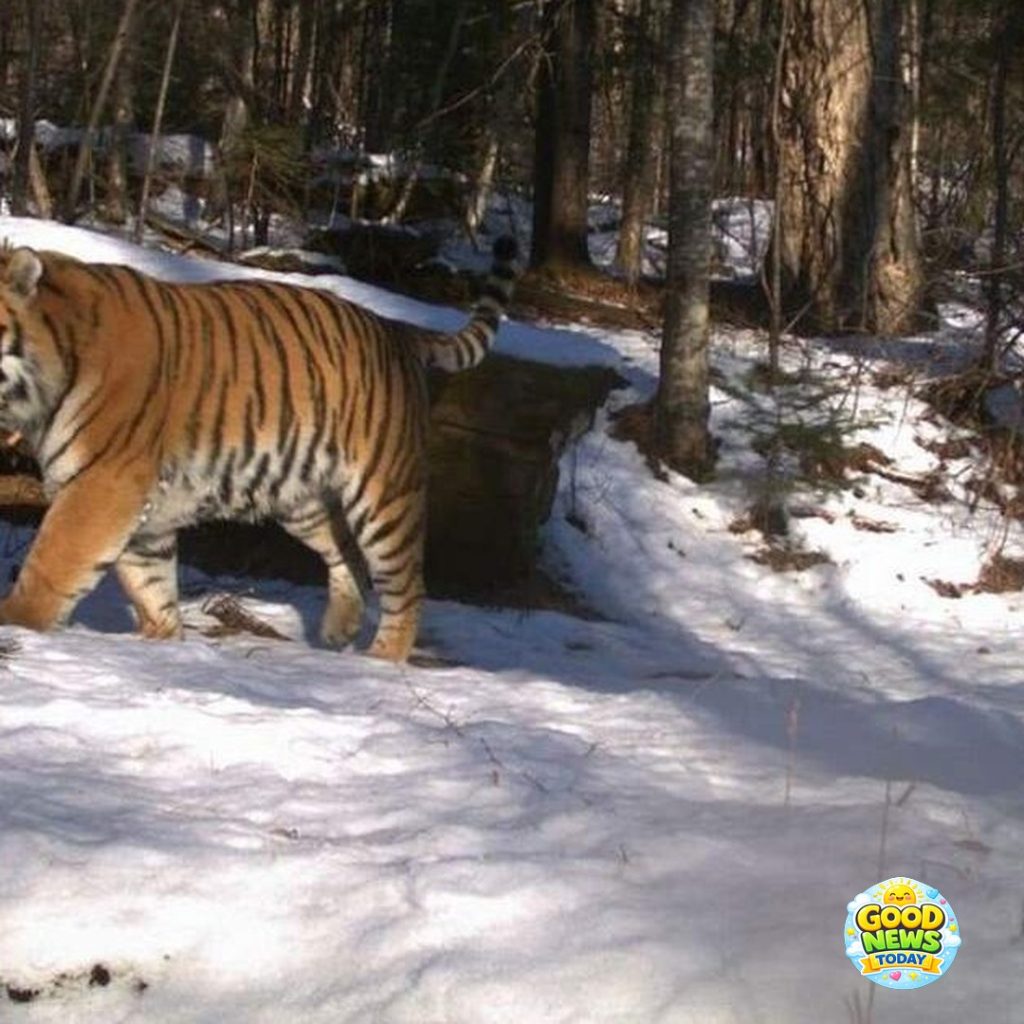
Kazakhstan is embarking on an inspiring journey to reintroduce tigers to a unique habitat in the southern part of the country, marking one of the most ambitious rewilding initiatives on the planet.
As part of this exciting project, reforestation activities are taking place along the riparian woodlands surrounding the Ile River and its delta at Lake Balkhash. Last year alone, an impressive 37,000 young trees were planted, contributing to a total of 50,000 trees planted in the Ile-Balkhash Nature Reserve between 2021 and 2024. This area also welcomed a breeding pair of tigers from the Netherlands last year, further enhancing the program’s momentum.
Aibek Baibulov, the WWF Central Asia Project Manager for Forest Restoration in Kazakhstan, shared, “The results we anticipate in 2025 are the culmination of many years of dedicated effort. Our mission goes beyond merely planting trees; we are establishing the groundwork for resilient ecosystems that can thrive independently.” He added, “We are already witnessing the success of past plantings, with some trees reaching heights of up to 2.5 meters and their roots tapping into groundwater, fostering the formation of natural communities. Restoring tugai forests is essential for reintroducing wildlife to the area. Without healthy ecosystems, we cannot expect stable populations of animals, including the return of tigers. We are immensely grateful to all our partners and local communities who are playing a vital role in this initiative.”
This visionary program is spearheaded by the government of Kazakhstan, in collaboration with WWF Central Asia and the UN Development Program. If successful, it will mark the first time that tigers are reintroduced to a range country where they have been extinct.
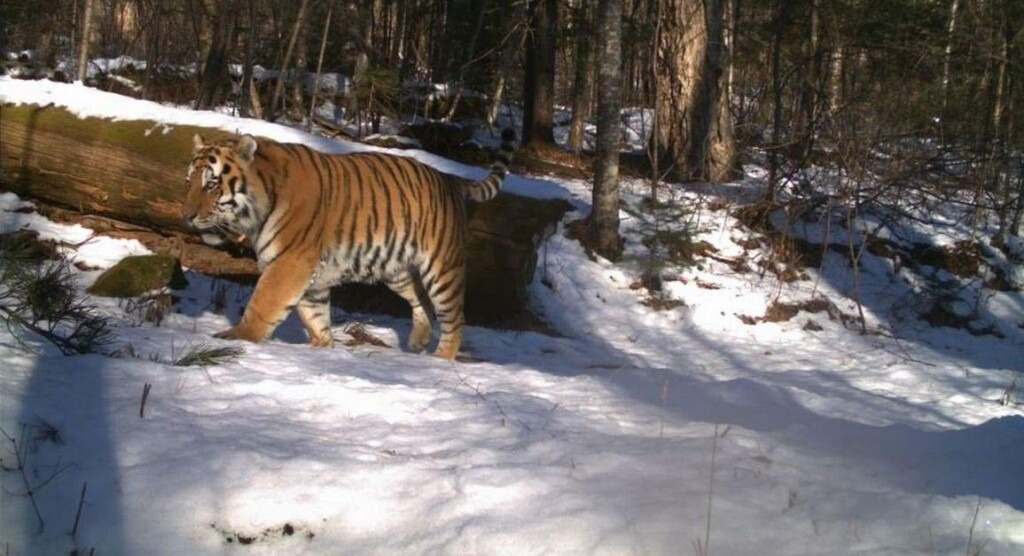
Genetic studies of bones and furs in national collections have revealed that the tiger population that once inhabited regions from Iran to southern Russia, Central Asia, and the Caspian Sea is closely related to Siberian tigers. With this knowledge, a male and female Amur tiger pair named Bodhana and Kuma were brought from their sanctuary in the Netherlands to a semi-natural holding facility in the Ile-Balkhash Nature Reserve, where they are adapting to their new environment. There is hope, though uncertainty, that they may breed.
Once their offspring mature, they will form the second group of tigers to be released into the reserve. As Baibulov noted, this will be the final step in a long journey that began years ago with efforts to secure and grow populations of prey species.
Thanks to decades of conservation work, the saiga antelope population has dramatically increased from a mere 48,000 individuals in 2005 to over 1.9 million today. Additionally, in 2019, several Bukhara deer were released into the reserve, with the goal of establishing a sustainable population that can support the tigers. Over the following years, another 200 Bukhara deer were introduced, further enhancing the ecosystem.
The variety of tree seedlings planted over the past two years has been carefully chosen to align with the dietary needs of these animals. This includes 5,000 willow seedlings, 30,000 long-leaved oleasters, and 2,000 native turangas—popular trees that hold cultural significance for Kazakhs—planted along a 2.4-mile stretch.
With each tree planted and each animal reintroduced, Kazakhstan is taking remarkable strides towards restoring its natural heritage and fostering a thriving ecosystem for future generations.