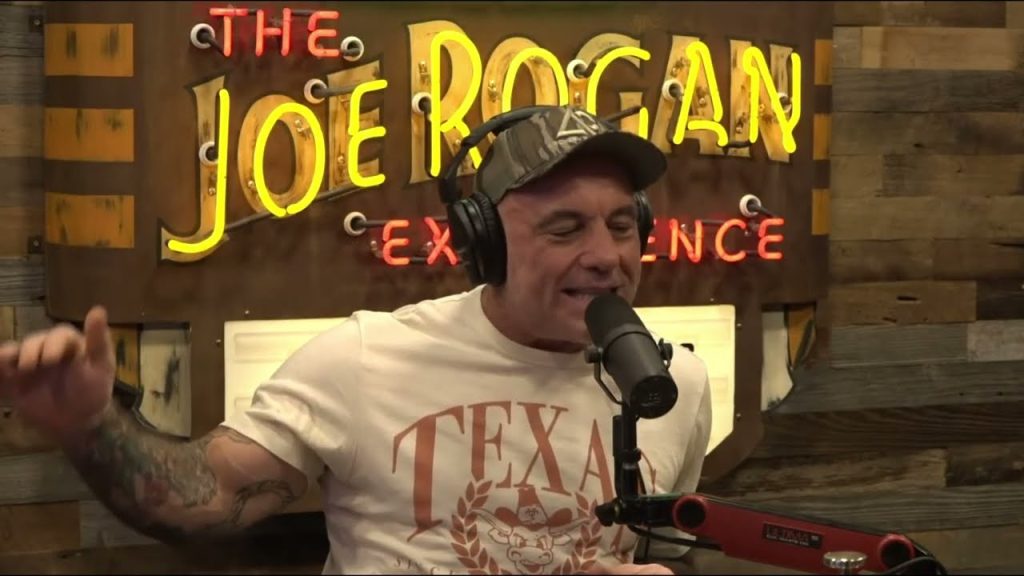
In a recent video, controversial podcast host Joe Rogan sparked a heated debate by suggesting a correlation between autism rates and vaccine rates in California. This assertion comes amid ongoing discussions around vaccine safety, public health policies, and the growing influence of misinformation within the realm of health discourse.

The claim made by Rogan plays into a long-standing narrative that has been widely discredited by medical professionals and scientific communities. The Centers for Disease Control and Prevention (CDC), alongside numerous studies, have repeatedly reaffirmed that vaccines are safe and effective, emphasizing that there is no causal link between vaccines and the onset of autism. Despite this consensus, certain public figures continue to propagate the idea, often leading to vaccine hesitancy and a resurgence of preventable diseases.
California has been at the forefront of vaccine discourse, particularly following the measles outbreak in 2014 which was largely attributed to declining vaccination rates in the state. This has prompted legislative action, including the passing of stricter vaccination laws aimed at safeguarding herd immunity. The state’s efforts, however, have been met with considerable pushback from anti-vaccine advocates who argue against mandatory vaccinations, often framing their concerns around personal freedom and parental choice.
The political implications of Rogan’s statements cannot be ignored. As a prominent figure with millions of followers, his views hold significant sway among the public, particularly among younger demographics. This places a considerable responsibility on influential personalities like Rogan to ensure that the information they disseminate is factually sound. The juxtaposition of celebrity influence against scientific evidence highlights the challenges faced in combating misinformation, which can have real-world consequences on public health and policy.
As the debate intensifies, it remains crucial for policymakers, health officials, and advocates to continue emphasizing the importance of vaccines in preventing illness, while also addressing the concerns of those who have been misinformed. The need for clear, accurate communication around vaccination and its benefits is more urgent than ever, especially in a climate where misinformation can hinder public health initiatives.