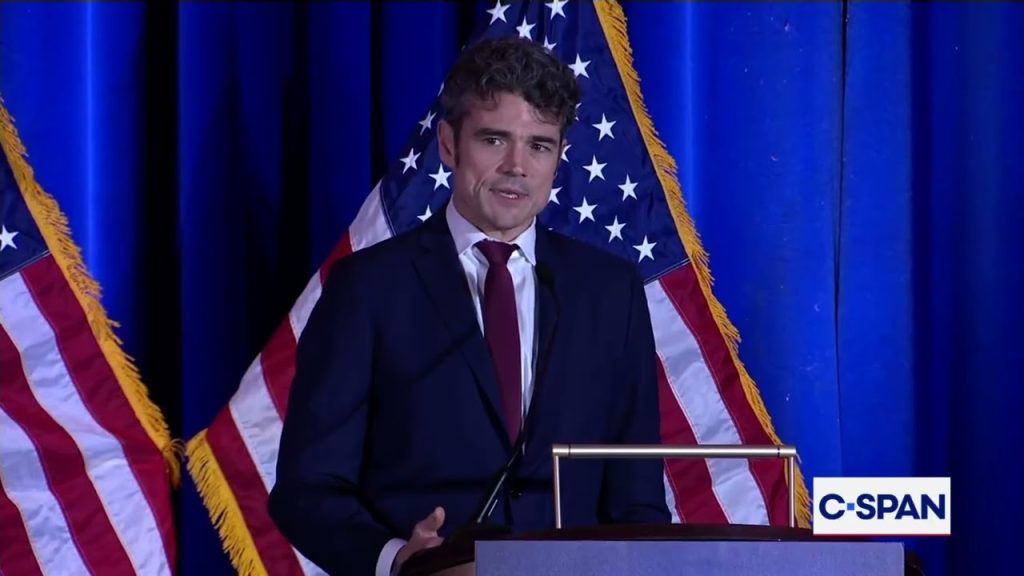
In a recent statement, Joe Kent firmly expressed his stance against extending U.S. military involvement in Iran, emphasizing the need to prioritize the safety of American service members over further foreign conflicts. His remarks underscore a growing sentiment among some political voices and segments of the public that caution against entering or escalating war efforts that may lead to long-term entanglements similar to previous engagements in the Middle East.

The title of the message highlights Kent’s moral opposition to sending “young men and women to die on foreign battlefields,” situating his position within a broader debate over America’s foreign policy and military strategy in regions of geopolitical tension. The reference to a “critical juncture” suggests that current decisions about Iran have significant implications, with the potential either to increase military conflict or to steer towards diplomatic resolutions.
Historically, U.S.-Iran relations have been fraught with hostility, notably since the 1979 Iranian Revolution and the subsequent hostage crisis. More recently, conflicts surrounding Iran’s nuclear program, regional influence, and involvement in proxy wars have heightened tensions. These issues climaxed with the U.S. withdrawal from the Iran nuclear deal (JCPOA) in 2018 and the assassination of Iranian General Qasem Soleimani in early 2020, which escalated fears of open conflict. Many policymakers and commentators have debated the merits and risks of military action versus diplomatic engagement, weighing the potential costs in human lives and geopolitical stability.
Kent’s appeal to “let our leaders hear that we do not support this war” reflects a call to action for citizens and lawmakers alike to influence U.S. policy away from prolonged conflict toward bringing American troops home. This perspective aligns with a wider anti-war sentiment that echoes concerns about the enduring consequences experienced from past U.S. military involvements in Iraq, Afghanistan, and elsewhere.
As tensions with Iran continue to evolve amidst international negotiations and regional dynamics, voices like Kent’s contribute to the national conversation about the United States’ role on the global stage and the ethical considerations of war.
Where to Learn More
- C-SPAN – Comprehensive coverage of U.S. Congressional debates and foreign policy discussions
- Council on Foreign Relations – In-depth analysis of U.S.-Iran relations and geopolitical issues
- BBC News – Middle East – Global reporting on Iran and related conflicts
- Foreign Affairs – Scholarly articles and expert opinions on international diplomacy and military policy
- The New York Times – Middle East – Up-to-date news and investigative reporting on Iran and U.S. foreign policy