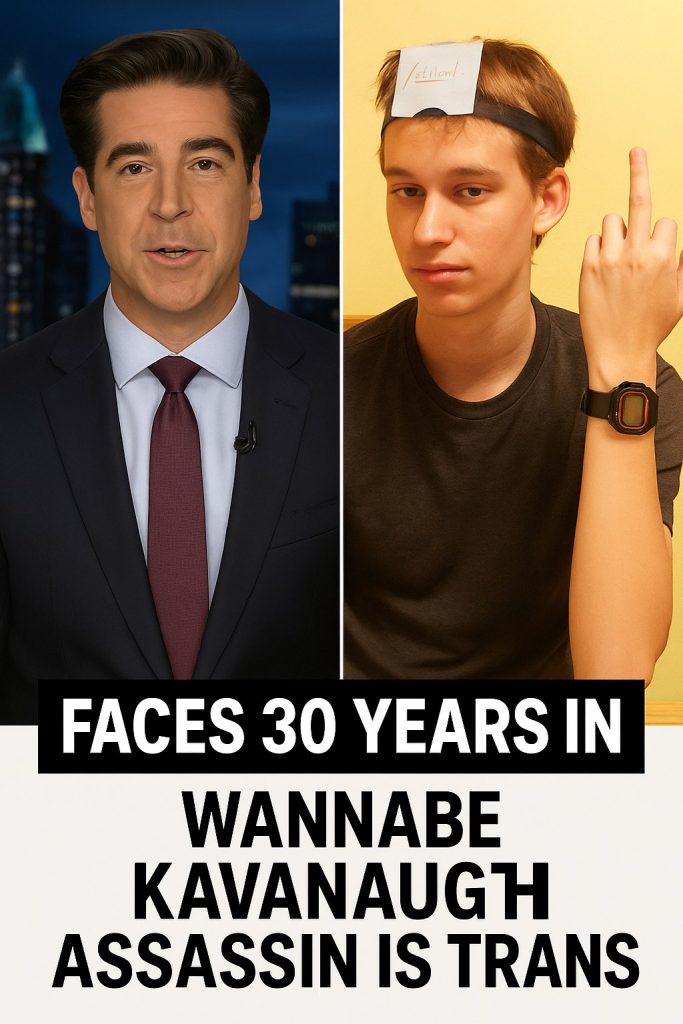
In a recent episode of “Jesse Watters Primetime,” Fox News host Jesse Watters ignited a firestorm of debate after making controversial remarks regarding the identity of the individual charged in the assassination attempt on Supreme Court Justice Brett Kavanaugh. Watters claimed, “The man who attempted to kill Brett Kavanaugh isn’t a man. He’s trans,” drawing immediate backlash from various communities and advocacy groups across social media.
The comments came in light of the arrest of Nicholas John Roske, a 26-year-old man who was apprehended outside Kavanaugh’s home with a firearm and other weapons. Law enforcement officials reported that Roske had made threats against the Justice, fueled by his outrage over the potential overturning of Roe v. Wade, a landmark ruling on reproductive rights that has been under scrutiny since the Supreme Court announced it would take up a case on the issue.
Watters’ phrasing sent ripples through platforms like Twitter and Facebook, with users expressing concern over the implications of his words. By categorizing Roske’s identity based on his transgender status, critics argue that Watters is not only mischaracterizing the situation but also perpetuating harmful stereotypes about the transgender community. Many emphasized that violent behavior should not be conflated with gender identity and that such rhetoric serves to stigmatize an already marginalized group.
In response to the growing backlash, LGBTQ+ advocacy organizations have issued statements condemning Watters’ comments. The Human Rights Campaign noted, “This type of language only adds to the climate of fear and discrimination that transgender individuals face daily. It is essential to separate violent actions from a person’s identity in order to foster understanding and support.” Furthermore, prominent voices in the LGBTQ+ community urged for more constructive dialogues on mental health and societal pressures faced by all individuals, regardless of identity.
The controversy around Watters’ remarks underscores a broader narrative in American media where sensationalist comments can quickly shift public discourse, overshadowing critical discussions around mental health, safety, and the implications of political rhetoric. Public reactions reflect a growing concern over how identity politics can play into narratives of violence and hatred, especially in a politically charged environment.
Supporters of Watters, however, argue that his remarks highlight a critical aspect of media discourse regarding accountability and characterizing threats to public figures. They claim it is important to scrutinize the identities of individuals who commit violent acts, noting that understanding the motivations behind such crimes can inform broader societal approaches to prevention and intervention.
Meanwhile, discussions surrounding Kavanaugh and the implications of his judicial decisions remain contentious, particularly regarding reproductive rights and the future of civil liberties in America. The assassination attempt has amplified calls for increased security measures for justices and public officials, amid concerns about the rising polarization in U.S. politics.
As this story unfolds, it serves as a stark reminder of the complexities surrounding identity and violence in today’s society. Advocates from all sides continue to engage in this vital dialogue, hoping that mutual respect and understanding will guide discussions around issues of safety, identity, and justice.