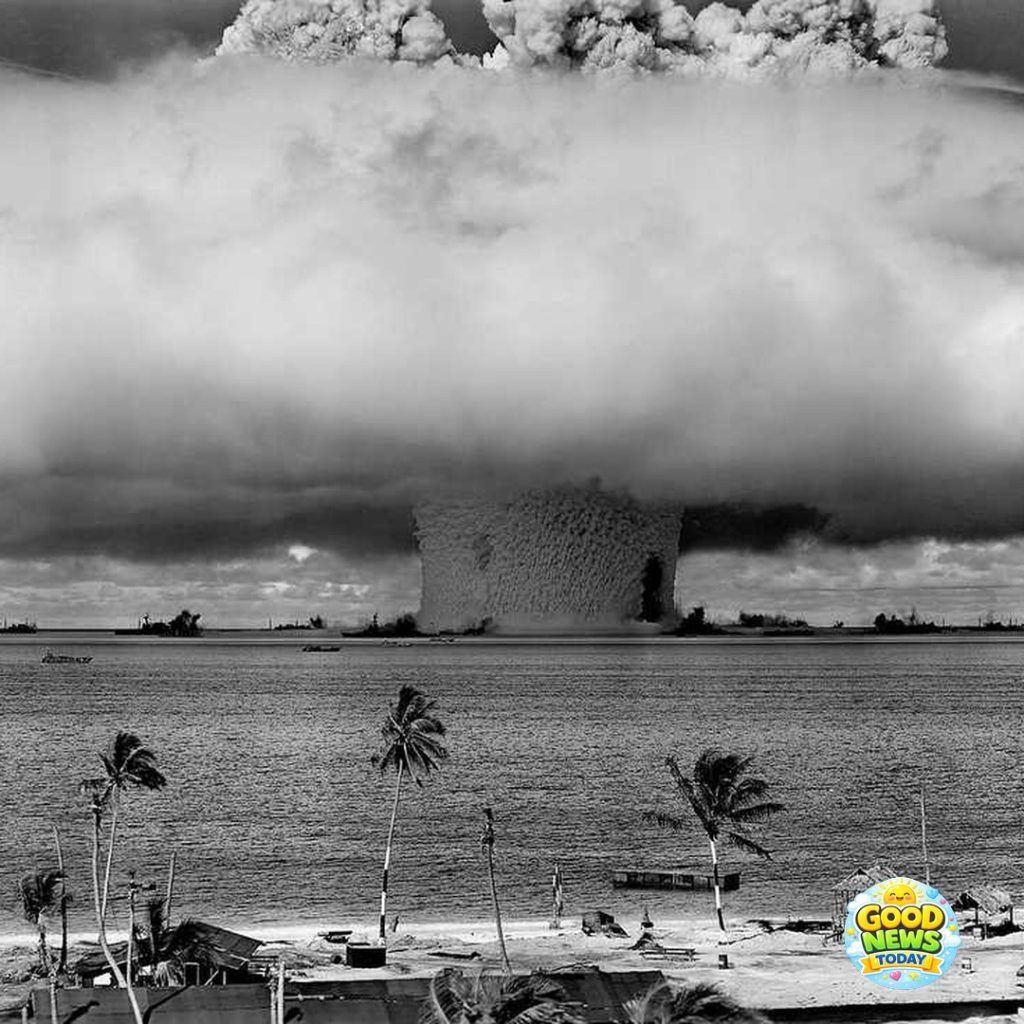
It’s been an impressive stretch of 8 years, 4 months, and 29 days since the last nuclear weapon was detonated on our planet, marking the longest duration without a nuclear explosion since the dawn of the atomic age. This milestone is indeed a cause for celebration!
Reflecting on history, since the very first nuclear test, known as the Trinity test in 1945, a staggering 2,000 nuclear weapons have been detonated by eight different nations. In stark contrast, the 21st century has seen a remarkable absence of such explosions. During the Cold War, however, there were years when over a hundred nuclear tests occurred, highlighting just how far we’ve come since then.
January 14th now stands as a significant date, as it reminds us of the longest stretch humanity has experienced without any nuclear testing. The last known test took place in September 2017 by North Korea, while the remaining nuclear-armed countries conducted their final tests between 1990 and 1998, when Pakistan ceased its nuclear activities.
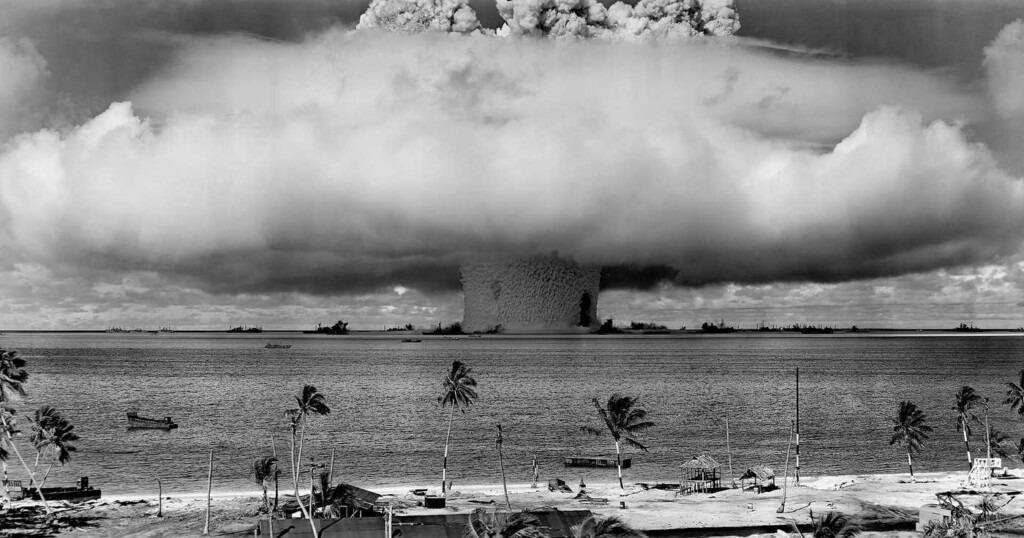
Dylan Spaulding, a senior member of the Union of Concerned Scientists, noted the importance of this period in a recent blog post. He highlighted the impact of the Comprehensive Test Ban Treaty (CTBT), which opened for signatures in 1996 and has since garnered 187 signatures and 178 ratifications—an overwhelming show of global consensus against nuclear testing.
Countries that choose to disregard this treaty, like North Korea, are often deemed rogue states and find themselves marginalized in international affairs. Although the United States has signed the treaty, it has not been ratified; however, the U.S. has maintained a ban on supercritical testing, emphasizing a commitment to global nuclear restraint.
The potential incentives for testing nuclear weapons are significantly outweighed by the detrimental effects on a nation’s reputation and its future diplomatic relations. When considering nuclear policy, it’s vital to adopt a long-term perspective. Despite this commendable stretch without detonations, we must remain vigilant, as the threat of nuclear exchanges between armed states still looms large.
Fortunately, we have made substantial strides towards a safer world, and with continued efforts, there is hope for even greater progress. As we reflect on each day without nuclear tests, we can celebrate this achievement and remain optimistic that cooler heads will prevail in the future, leading us closer to a world free of nuclear threats.