In a heated political landscape, Giorgia Meloni, Italy’s right-wing Prime Minister, has found herself at the center of intense scrutiny following comments regarding the tragic loss of children during ongoing conflicts. A vocal critic ignited a social media firestorm by asserting that Meloni must confront the stark reality of the situation and adopt a more assertive stance against those responsible for what they termed the “slaughter of 20,000 children.”
The comments came during a recent public address where Meloni, known for her nationalist policies, expressed disagreement with certain humanitarian efforts but stopped short of providing a detailed and factual rebuttal to the critique. This lukewarm response prompted a wave of discontent among segments of the Italian populace who are calling for leaders to advocate for children’s rights more effectively, especially in times of conflict.
“Meloni should take a stand with the facts against those who have slaughtered 20,000 children, rather than limiting herself to saying ‘I do not agree,’” the critic stated, echoing sentiments shared by many on social media platforms. Viral posts have circulated that express disillusionment with Meloni’s perceived inaction, urging her to utilize her political influence to champion meaningful change.
The issue at hand highlights the complexities of global humanitarian crises and the implications for local leaders. As the Italian PM navigates international pressure and nationalistic sentiments, many are puzzled by the apparent disconnect between her administration’s rhetoric and the reality facing vulnerable populations around the globe.
Responding to the backlash, Meloni has issued comments through her social media accounts, asserting that her focus remains on preserving Italian sovereignty while ensuring that humanitarian aid is managed appropriately. However, critics argue that such an approach neglects the moral responsibility of a world leader in advocating for the voiceless, particularly children caught in the throes of war.
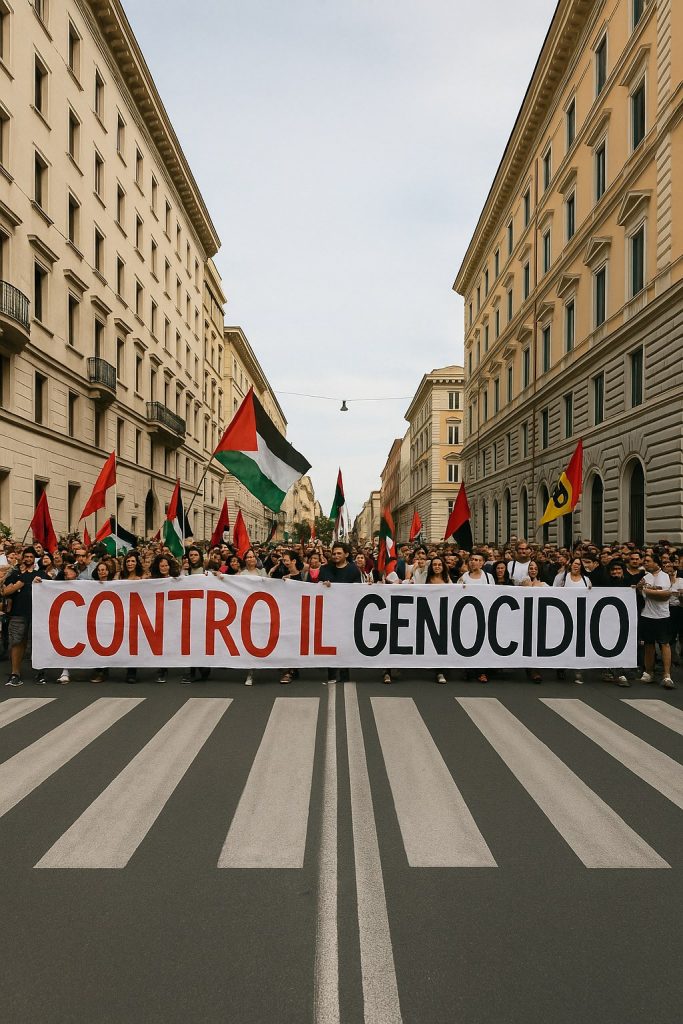
The discontent surrounding Meloni’s remarks illustrates a growing urgency for political figures to engage more substantively with pressing global issues. With the potential for widespread mobilization, activists and everyday citizens alike are rallying behind a message of accountability, demanding that leaders like Meloni align their policies with a more compassionate and evidence-based approach.
As the discourse continues to evolve, social media will undoubtedly play a pivotal role in shaping public perception and influencing political accountability. The dialogue surrounding Meloni’s comments serves as a reminder of the power of grassroots movements and the importance of political transparency in a rapidly changing world.
For now, the Italian Prime Minister’s response to this outcry remains to be seen. Will she embrace a more proactive role in addressing these pressing humanitarian crises, or will her administration continue to tread cautiously? Only time will tell, but one thing is clear: the stakes are high, and the voices of the people are echoing louder than ever.