
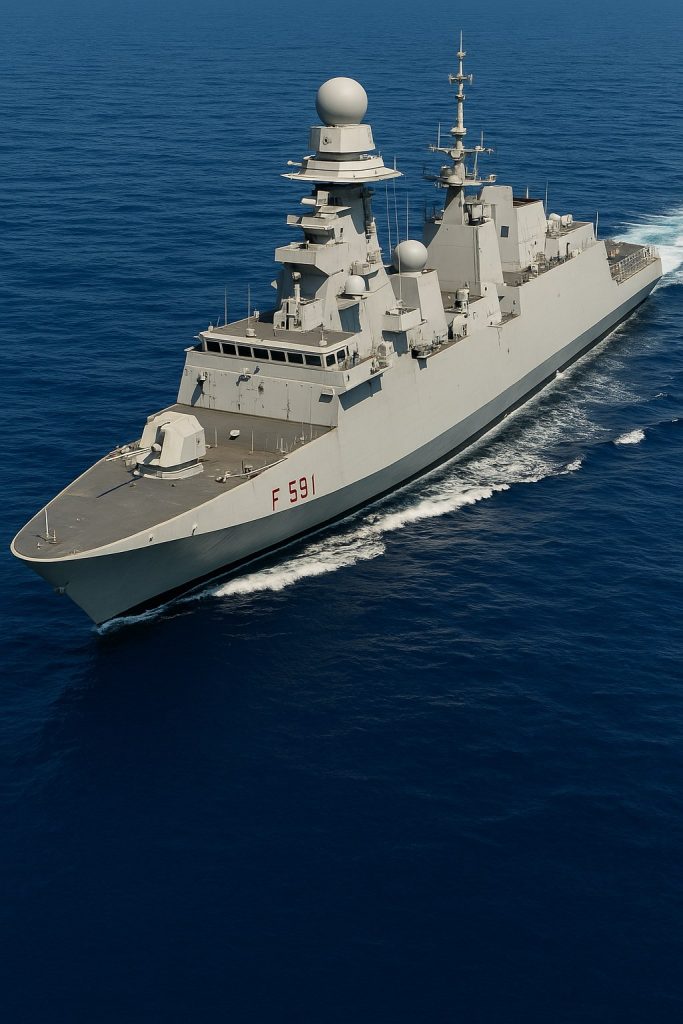
In a significant escalation of humanitarian efforts, Italy’s defense minister has announced the deployment of a naval ship to safeguard the Global Sumud Flotilla, which aims to breach Israel’s ongoing blockade of Gaza. The flotilla carries 250 tons of crucial humanitarian aid, desperately needed in a region suffering from severe shortages.
This move follows a string of drone strikes that have raised alarms about the safety of the flotilla. The Global Sumud Flotilla is comprised of activist vessels attempting to deliver essential goods, including food, medicine, and other relief supplies to the besieged population of Gaza. The situation has garnered widespread attention on social media, sparking debates and discussions about humanitarian intervention and international law.
Italy’s Defense Minister, Guido Crosetto, emphasized the importance of maintaining safety and security for the aid mission. “It’s our moral obligation to protect those who are trying to deliver humanitarian assistance in such dire circumstances,” he stated during a press conference. This stance underscores Italy’s commitment to fostering peace and providing relief in areas deeply affected by conflict.
The Global Sumud Flotilla’s initiative has received backing from various humanitarian organizations and activists worldwide, all advocating for an end to the blockade that has severely restricted the flow of necessary supplies into Gaza. With reports of deteriorating conditions in the region, including widespread shortages of food and medical supplies, the need to act has grown increasingly urgent.
Increased Threat Perception
The deployment of Italy’s naval ship comes after reports surfaced of enhanced tensions in the Mediterranean, with multiple drone attacks reported near the flotilla’s route. These developments have raised concerns about the security of volunteer crews and the potential for militarized confrontations at sea. Italian naval forces are expected to maintain a protective escort for the flotilla, ensuring safe passage through contested waters.
Critics argue that naval deployments in such complex conflict zones can escalate already volatile situations. However, supporters of the flotilla assert that humanitarian missions should be protected under international law. “We can’t turn a blind eye to the suffering in Gaza. Every life matters,” said one flotilla member, who spoke on the condition of anonymity. “We are here to help, not to provoke.”
As the flotilla prepares to set sail, the humanitarian crisis in Gaza continues to unfold, with reports indicating high levels of civilian distress. The situation is complicated further by broader geopolitical implications, drawing in various international stakeholders.
Global reactions have poured in, with many governments and organizations demanding an immediate ceasefire and renewed talks toward a peaceful resolution to the ongoing conflict. The coming days are crucial as the conflict’s trajectory may hinge on both the success of the flotilla’s mission and the international community’s response to these humanitarian efforts.
The world watches closely as the Global Sumud Flotilla, backed by Italy’s naval forces, embarks on a mission that could redefine the humanitarian landscape in one of the most challenging regions on Earth.