
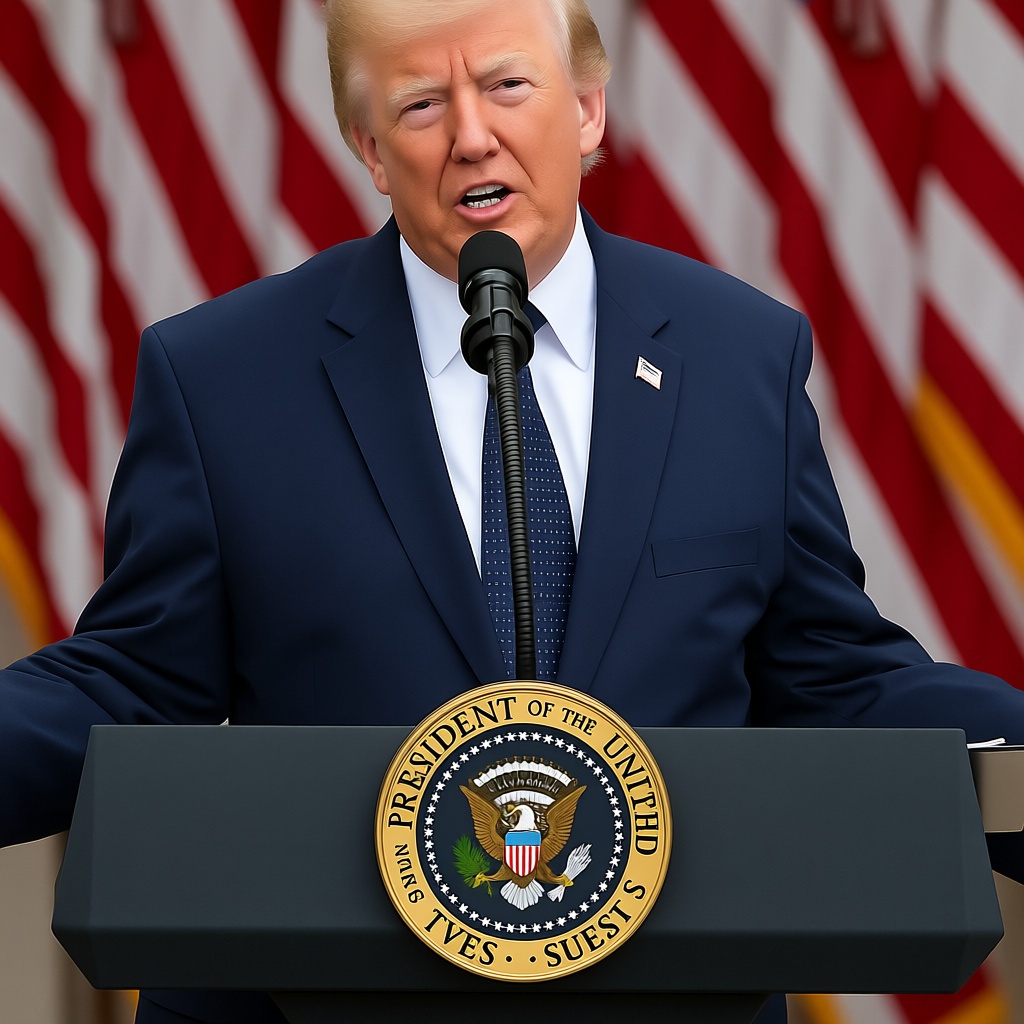
The geopolitical landscape is once again heating up as reports emerge that Israel has warned the United States about a potential Iranian assassination plot targeting former President Donald Trump. According to a recent report by The Wall Street Journal, Israeli intelligence has provided U.S. officials with credible intelligence suggesting Iran is planning to target Trump, a move that could significantly escalate tensions between Washington and Tehran.
This intelligence marks a notable escalation in Iran’s longstanding threats against the former U.S. leader. Iran has repeatedly vowed to retaliate against Trump over the 2020 drone strike that killed Islamic Revolutionary Guard Corps (IRGC) General Qassem Soleimani. The killing of Soleimani, Iran’s top military commander, dramatically heightened animosities, with Tehran warning of vengeance against those it perceives as enemies.
While overseas at the recent NATO summit in Brussels, President Trump openly addressed the heightened threats, stating, “Iran wants me dead, and I believe I am number one on their kill list.” His comments underscore the ever-present danger officials believe Iran could be capable of acting upon its threats, especially against high-profile targets like Trump.
Sources familiar with the situation indicate that the alleged plot involves sophisticated plans to carry out an assassination, potentially using covert operatives or clandestine methods. U.S. officials have reportedly urged caution and increased security measures for Trump, even as negotiations and diplomatic tensions with Iran continue to simmer beneath the surface.
This revelation has come at a delicate time when diplomatic efforts to curb Iran’s nuclear ambitions are underway, and the recent flare-up underscores the fragility of regional stability. Experts warn that such covert assassination threats threaten to provoke further instability and could derail ongoing diplomatic negotiations.
The situation remains fluid, with Washington and its allies closely monitoring Iranian activity. Iranian officials have denied any involvement in the reported plot, but the threat’s disclosure has intensified calls for heightened security. Analysts emphasize that retaliation threats from Iran are part of a broader strategy to assert its regional influence and respond to U.S. policies that Iran views as hostile.
The unfolding reports highlight the continuing complex web of Middle East geopolitics, where covert threats and overt conflicts intertwine, making diplomatic resolutions increasingly challenging. As the world watches, the question remains: how will this latest threat impact future U.S.-Iran relations and regional stability?