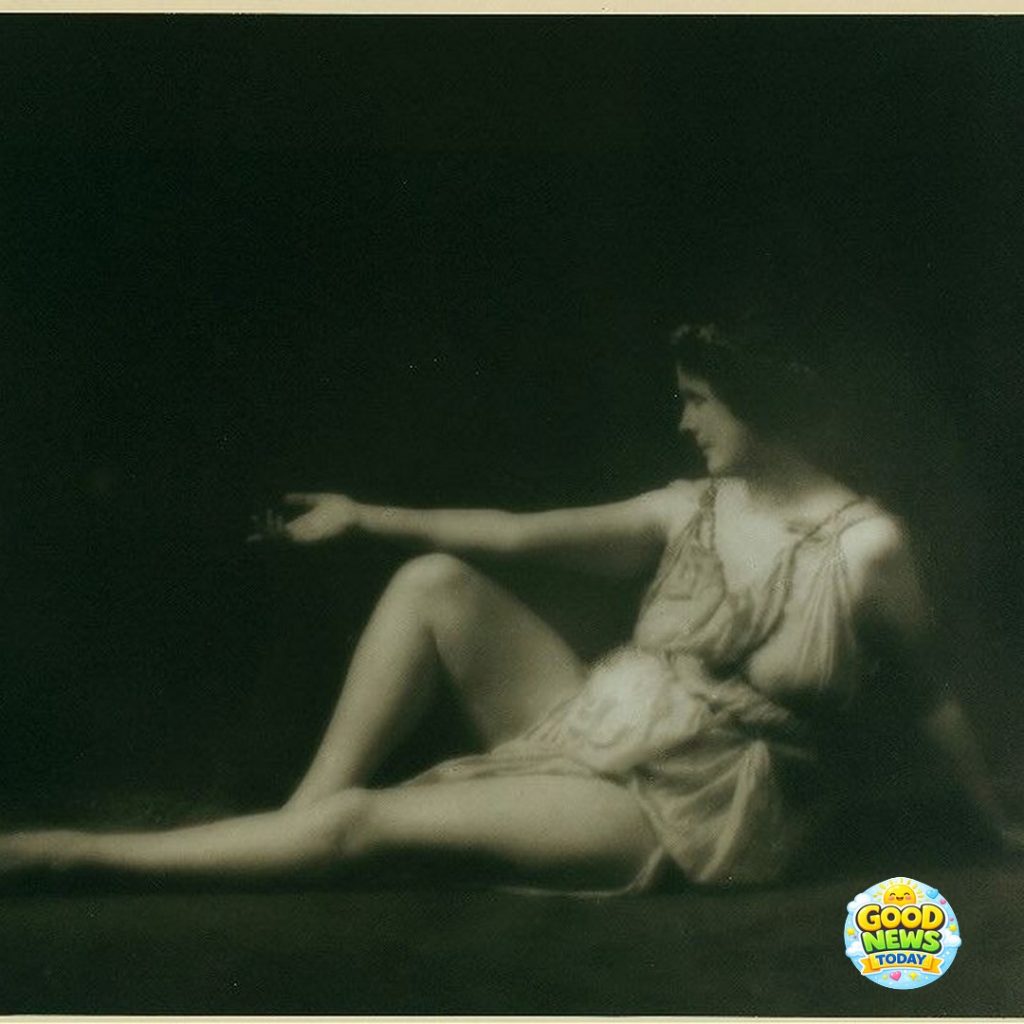
On this day, 126 years ago, Isadora Duncan, the pioneering figure of modern dance, captivated audiences in London with her groundbreaking solo performance. This young woman, barefoot and dressed simply, took to the stage without elaborate scenery, presenting a raw and spontaneous expression of her emotions through dance. Accompanied by the enchanting melodies of Chopin’s piano preludes and Mendelssohn’s “Spring Song,” her movements were refreshingly simple and improvised. While some may have initially perceived her performance as provocative, those who witnessed it recognized a deeper connection to the music and the art of dance itself.
Isadora famously declared her opposition to ballet, calling it a “false and preposterous art.” She critiqued the rigid conventions of traditional ballet, emphasizing that beneath the costumes lay distorted muscles and bones. This bold stance marked a significant departure from the norm and laid the foundation for a new era in dance.
Interestingly, none of Duncan’s performances were recorded, which meant that only those fortunate enough to see her dance could pass on her unique style. This led to a challenge in preserving her art, making it a fleeting yet influential experience for audiences.

During her time in London, Isadora immersed herself in the rich culture of the city, spending countless hours in galleries and the British Museum. She drew inspiration from the statues and paintings of ancient nymphs, embodying a blend of strength and grace that left a lasting impression on those who witnessed her performances. Pierre August Rodin, a notable admirer, referred to her as the “greatest woman the world has ever known,” highlighting the profound impact she had on her contemporaries.

Reflecting on Isadora’s legacy, it’s noted that much of modern dance has become as structured as the ballet she challenged. Today, it often takes on a more athletic form, emphasizing technical skill and precision. Yet, as the Telegraph points out, understanding Isadora’s influence requires us to view her artistry through the eyes of those who experienced it firsthand. They recognized her as the transformative force that shifted dance from a mere form of 19th-century entertainment into a celebrated 20th-century art form.
In addition to celebrating Isadora Duncan’s milestone, we also honor another historical figure born on this day: Mountain Man Jim Bridger, whose adventures and contributions to the exploration of the American West continue to inspire.