
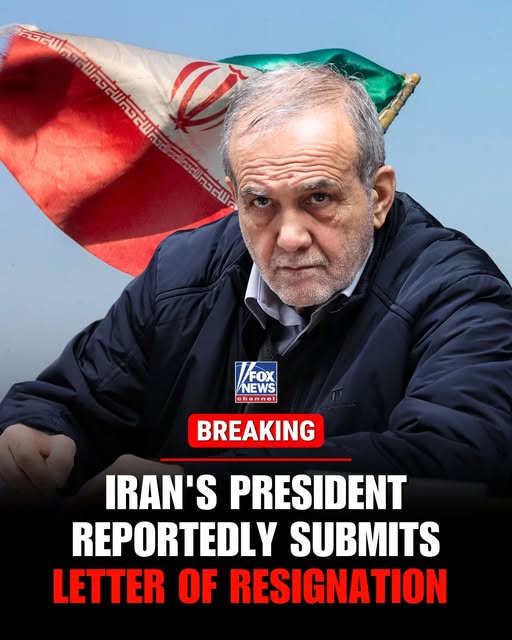
In a surprising development that signals mounting internal unrest within Iran’s ruling elite, reports indicate that President Masoud Pezeshkian has formally asked to resign, citing a significant loss of authority and influence within the government structure. Sources close to the matter suggest that Pezeshkian recently communicated his concerns to the Supreme Leader’s office, expressing frustrations over exclusion from key decision-making processes.
According to multiple social media reports and unidentified officials, Pezeshkian lamented that both he and his cabinet have been marginalized in critical policy discussions, leaving him unable to effectively serve the nation. He reportedly stated that the internal political landscape has become so fractured that he no longer has the necessary authority to implement policies or fulfill his presidential duties.
This potential resignation emerges amidst a simmering power struggle that appears to be fracturing Iran’s already complex political hierarchy. Political analysts point to deepening divisions among Iran’s ruling factions, which could have profound implications for both domestic governance and the country’s international relations. The timing is particularly notable as diplomatic negotiations with the United States continue to unfold, with some U.S. officials and analysts suggesting that internal splits in Tehran may be impacting Iran’s negotiating stance.
Former U.S. President Donald Trump has been vocal about perceived weaknesses within Iran’s leadership, claiming that the regime is “seriously fractured.” While such claims are difficult to verify directly, the recent reported turmoil lends some credence to persistent rumors of internal discord among Iran’s conservative political factions and hardliners seeking to consolidate control.
Iran’s political landscape is historically marked by factions vying for influence, with the Supreme Leader holding ultimate authority. However, declining trust and authority among the presidency and cabinet members, as suggested by Pezeshkian’s reported resignation request, could be a sign of deeper instability. Such upheaval might impact Iran’s future policies and its stance during ongoing negotiations with Western powers.
It remains uncertain whether Pezeshkian’s resignation will be accepted or if he is merely leveraging his position to signal dissent. Regardless, this incident has sent ripples through Tehran’s political circles and observers worldwide. Experts warn that internal fragmentation could weaken Iran’s capacity to present a unified front both domestically and in diplomatic negotiations.
As the saga unfolds, the international community continues to watch Tehran carefully, wary of signs pointing to increased instability within one of the Middle East’s most pivotal regimes. The coming weeks are likely to be critical in determining whether this internal discord signals a broader shift in Iran’s political landscape or remains merely a temporary upheaval.
Where to Learn More
- Iran’s President Reports Loss of Authority Amid Rising Internal Tensions – Reuters
- Inside Iran’s Power Struggles and Diplomatic Challenges – Bloomberg
- Iran Under Strain: Political Turmoil and International Reactions – Al Jazeera
- U.S. and Iran: Signs of a Divided Regime and Global Implications – The Washington Post