
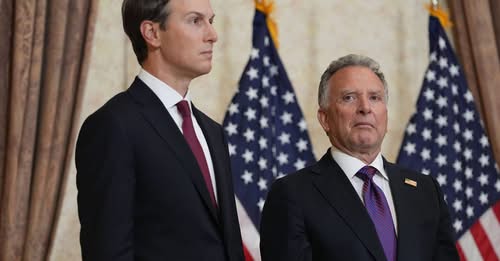
In a sharp rebuke to recent remarks by former U.S. President Donald Trump, Iran announced that it will not engage in negotiations with him, citing what Tehran calls his “erratic” behavior and aggressive rhetoric. The statement comes amid escalating tensions following Trump’s recent threats to “blow up” Iran if provoked, a display of hostility that Iranian officials label as dangerously destabilizing.
According to an official Iranian statement, “Our assessment is that Trump effectively lacks both a coherent plan and the capacity to secure even a temporary agreement.” This declaration underscores Iran’s growing frustration with perceived U.S. unpredictability and what many see as a reversal of diplomatic progress. Iran’s leadership emphasizes that continuity in diplomatic engagement is impossible while Trump’s inflammatory threats remain unaddressed.
Relations between Washington and Tehran have long been fraught, marked by decades of mutual suspicion, sanctions, and failed negotiations. During his administration, Trump’s “maximum pressure” campaign sought to isolate Iran economically and diplomatically, culminating in the unilateral withdrawal from the Iran nuclear deal in 2018. Since then, tensions have remained high, with Iran staunchly opposed to U.S. involvement in regional affairs and skeptical of American motives.
The recent threat by Trump to “blow up” Iran has significantly heightened fears of a potential military confrontation. While it remains unclear whether the former president intended a literal threat or was employing hyperbole, Iranian officials view the comment as a dangerous display of recklessness that invalidates any possibility of diplomatic talks under his leadership.
Iran’s foreign ministry spokesperson reiterated the country’s stance that negotiations are impossible under such volatile circumstances. “Iran remains committed to diplomacy but cannot entertain talks with someone who publicly makes genocidal threats,” the spokesperson said. This hardline response signals a likely continuation of Iran’s reliance on diplomatic countermeasures and its pursuit of strategic autonomy moving forward.
Experts note that Iran’s rejection of negotiations with Trump reflects a broader geopolitical shift, as Iran seeks to solidify internal resilience and bolster regional alliances. Analysts warn that such belligerent rhetoric from the U.S. adds fuel to an already volatile situation, risking further escalation rather than de-escalation.
While the international community continues to call for calm and diplomatic solutions, the recent exchanges underscore how fragile hopes for dialogue remain. With the U.S. approaching a new political cycle and Iran emphasizing sovereignty and security, prospects for renewed negotiations appear increasingly remote amid rising rhetoric and mutual mistrust.