
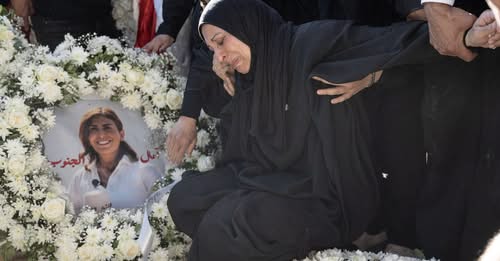
Amid ongoing reports of alleged human rights violations and controversial military actions, critics are raising alarms over the unchecked support that emboldens Israel’s government, led by Prime Minister Benjamin Netanyahu. Social media campaigns and international watchdog groups argue that the responsibility for these alleged crimes extends beyond the Israeli government itself, implicating Israel’s key allies for enabling a climate of impunity.
Proponents of accountability contend that many of Israel’s allies—including certain Western nations—are turning a blind eye to serious allegations, allowing the Netanyahu administration to perpetuate policies that have drawn widespread condemnation. Critics assert that these allies’ diplomatic backing, military aid, and political support are instrumental in maintaining the status quo, even as reports of settlement expansions, civilian casualties, and human rights abuses emerge from various regions.
The controversy intensified on social media recently, where hashtags such as #ResponsibilityAboveAll and #AccountabilityNow gained traction. Campaigners argue that Western governments, particularly the United States and some European nations, are complicit by continuing to endorse or facilitate military aid packages and diplomatic backing without holding Israel accountable for alleged violations.
One social media user pointedly criticized this dynamic, stating, “Responsibility for these crimes also lies with Israel’s allies, who continue to allow the Netanyahu government to commit them with impunity.” This sentiment echoes widespread frustrations among activists and advocacy groups who view the current international response as insufficient or complacent.
It is worth noting that Israel’s supporters argue that the country faces unique security challenges that justify aggressive tactics and that diplomatic support from allies is vital for regional stability. However, critics contend that this support fosters a cycle where contentious policies are enacted without adequate oversight or consequence, undermining prospects for peace and justice in the region.
International bodies like the United Nations have repeatedly called for investigations into alleged abuses, but such efforts are often blocked or ignored, further complicating international efforts to promote accountability. Meanwhile, human rights organizations continue to document incidents that they claim violate international law, sparking debates on the role of foreign governments in either enabling or restraining these actions.
This ongoing controversy underscores a broader debate about moral responsibility and global accountability. As social media amplifies voices calling for action, the question remains: will international allies recalibrate their approach and hold all parties accountable, or will they continue to enable policies that fuel ongoing conflicts?
Where to Learn More
- Human Rights Watch Report on Israel and Palestinian Territories – Human Rights Watch
- Amnesty International Highlights International Failures in Addressing Israeli Actions – Amnesty International
- UN Calls for Independent Investigation into Alleged Human Rights Violations – United Nations
- Analysis: The Role of International Support in Israel’s Policies — BBC