
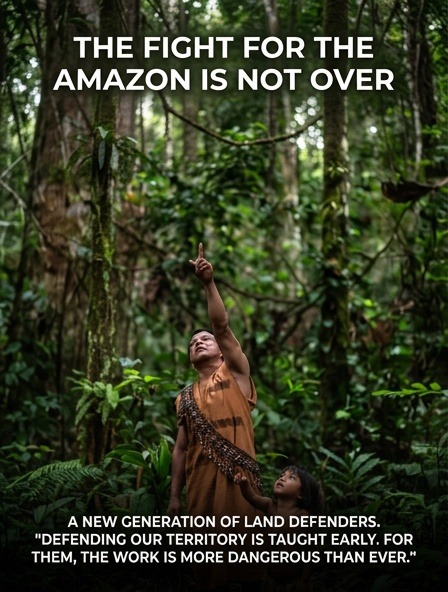
In the lush Amazonian regions of Peru, a heartfelt warning echoes from Indigenous communities on the front lines of resource protection. “In our culture, the work of defending our resources and territory is taught from an early age. But for this next generation coming up, the work is more dangerous than ever,” shares an Indigenous Peruvian land defender, whose voice underscores a rising threat confronting Indigenous activists.
For centuries, Indigenous communities in Peru have been the custodians of vast territories rich in biodiversity, sacred sites, and natural resources vital not only to their way of life but to global ecological health. Their arduous work of safeguarding these lands often entails confronting illegal logging, mining, and land grabbing—threats amplified by expanding industrial interests and weak government enforcement. Today, this struggle is intensifying, placing younger generations in increasingly perilous situations.
Many younger Indigenous leaders have grown up with stories of their ancestors’ resilience, learning the importance of defending their home as a sacred duty. However, the modern landscape is fraught with violence and risks unimagined by past generations. Reports of harassment, threats, and outright violence against land defenders have surged, with outsiders sometimes resorting to intimidation, legal persecution, or even physical assault.
Experts highlight that climate change further complicates the scene, influencing the patterns of illegal resource extraction and increasing conflict over dwindling natural resources. “The work of defending the land is no longer just about protecting it from outsiders,” says Dr. Carlos Mendoza, an environmental researcher specializing in indigenous rights. “It also involves fighting against the effects of climate change that threaten their entire ecosystem and way of life.”
According to Indigenous leaders, the danger is compounded by limited access to security support and legal protection. Many communities lack the resources to document abuses or challenge illegal operations, leaving them vulnerable. The youth, eager to continue their ancestors’ legacy, are often caught in the crossfire, risking their lives to defend their homes and culture.
This alarming trend has sparked a growing international call to action. Human rights organizations are demanding stronger protections for Indigenous land defenders and more robust enforcement against illegal resource exploitation. Additionally, local communities emphasize the need for global awareness and solidarity, urging governments and corporations to respect Indigenous sovereignty and human rights.
Ultimately, these stories of bravery and peril highlight the urgent need to safeguard Indigenous land defenders who stand as both protectors of their ancestral lands and vital stewards of our planet’s future. As one activist poignantly states, “Our young people are the future, and their safety must be the priority if we are to preserve these incredible ecosystems and cultures for generations to come.”