
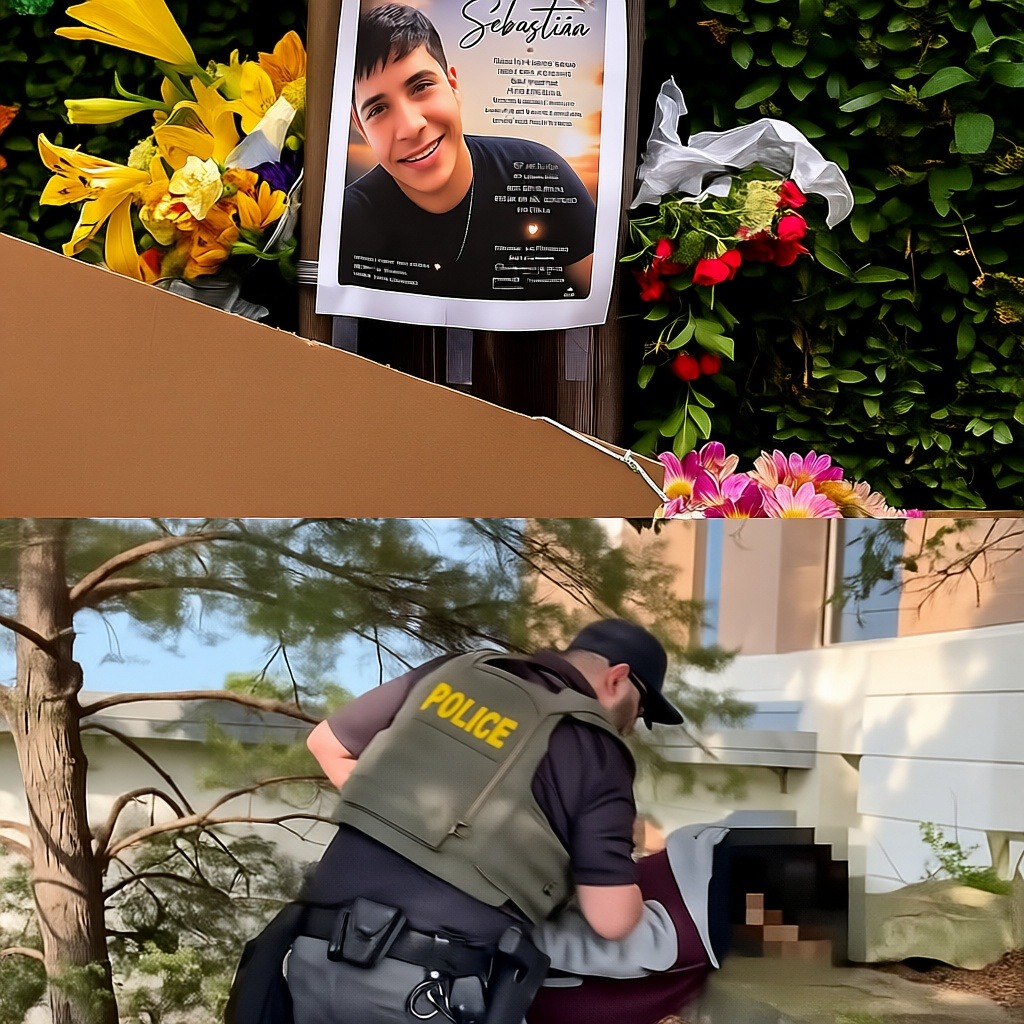
The recent tragedy involving the ICE agent suspected of deadly violence has ignited a wave of questions and concern about the individual’s history of domestic issues. On Saturday, the second ex-wife of the unidentified agent, widely reported to be David Brouillette, went public with her allegations, revealing a disturbing pattern of escalating violence and threats spanning several years.
Lucinda Brouillette, who chose to identify herself in a heartfelt written statement to reporters, detailed her long-standing fears about her former husband’s capacity for extreme violence. “If you were to ask me whether I believe David Brouillette is capable of this level of extreme violence, my answer is unequivocally yes,” she wrote. Her assertion was rooted in her own lived experiences, not speculation.
Her revelations come just days after a Maine judge declined her request for a protection-from-abuse order, citing insufficient evidence to suggest she was in immediate danger. Despite her efforts to seek safety for herself and her 11-year-old daughter, the court dismissed her claims, with a hearing scheduled in three weeks. “I am not asking this court to determine his guilt or innocence,” she emphasized, underscoring her intent to protect her child amid tense circumstances.
In her court filing, Lucinda disclosed that her ex-husband, who was present during her hearing, kept firearms—including a gun and a crossbow—at his residence. She recounted threats made years ago, warning that he had once verbally threatened her life with a firearm. Her primary concern was the safety of her daughter, who she believed might be targeted as controversy surrounding the case gained public attention.
Her repeated attempts to seek help have a long history, with court records illustrating her ongoing struggles against allegations of abuse, threats, and misconduct. She detailed incidents such as a kicked-down door, false substance-abuse accusations aimed at discrediting her, and allegations of abuse inflicted upon his own children—claims that Brouillette has strongly denied. Her warnings were repeatedly sent to law enforcement, courts, and health agencies without concrete action, she reported.
An additional and troubling aspect involves Brouillette’s employment history. Records indicate he once worked for Maine’s Department of Health and Human Services, an agency that has refused to clarify how or why his employment ended. His career has spanned corrections, federal police work, and more recently, immigration enforcement with ICE.
Six days after the shooting—whose details remain unconfirmed and under investigation—authorities have not released his name or filed charges. The incident has prompted intense scrutiny from lawmakers and the public, with demands for transparency surrounding ICE’s vetting processes and the case’s circumstances. Meanwhile, questions persist about how warnings from his past allegations were overlooked or dismissed.
Lucinda concluded her statement by sharing her emotional relief at finally speaking out. For years she questioned whether anyone would believe her. Watching others come forward, she said, has been “deeply validating.”
As the investigation continues, this case underscores the importance of thorough background checks and attentive response to domestic abuse warnings, especially involving individuals in sensitive government roles. The community awaits answers as authorities work to unravel what led to this violent tragedy.
Where to Learn More
- AP News: Lawmakers Demand Answers Over ICE Vetting
- Sun Journal: Court Records Reveal Past Allegations
- NBC News: Domestic Abuse Claims and Law Enforcement Response
- Washington Post: The Complexity of Violence and Law Enforcement Oversight
- Atlanta Journal-Constitution: Public Concerns Over ICE Employees’ Backgrounds