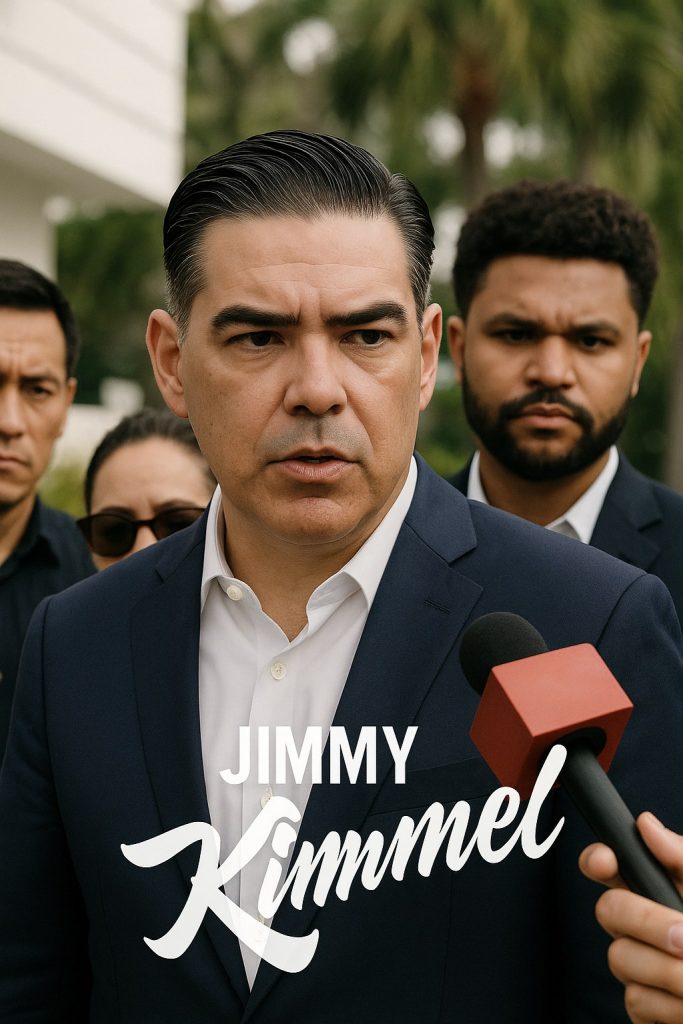
The ongoing saga surrounding late-night talk show host Jimmy Kimmel has taken a new turn as the House Oversight Committee Democrats have officially announced an investigation into the ownership practices of local television giants Nexstar and Sinclair Broadcast Group. This probe comes as viewers across numerous markets have noticed the absence of Kimmel’s late-night program from their television screens, raising questions about media consolidation and content access.
The controversy began when both Nexstar and Sinclair, two of the largest operators of local television stations in the United States, decided to preemptively drop Kimmel’s popular show from their programming schedules. This move sparked outrage among fans who view Kimmel’s nightly commentary and comedic relief as vital, especially during tumultuous political times.
Democrats on the Oversight Committee are now probing whether these corporate decisions could be a larger symptom of the media environment’s declining diversity, which they argue could lead to diminished public discourse. “Everyone deserves access to a variety of viewpoints and entertainment,” said Representative Alexandra Ocasio-Cortez, a prominent member of the committee. “The refusal of major networks to air critical voices cannot go unchecked.”
The investigation aims to uncover whether Nexstar and Sinclair’s decision might be a motivated tactic to suppress certain narratives or perspectives within late-night television, which is often regarded as a bastion of progressive commentary. As more local stations come under the influence of larger media conglomerates, many are questioning the implications for both cultural representation and political discourse.
Nexstar, which recently acquired Tribune Media, has made its mark by becoming the largest television station operator in America. Sinclair, on the other hand, has faced criticism for its past practices of mandating its local stations to run certain political content and corporate messages. This latest controversy surrounding Jimmy Kimmel has further ignited debate over corporate influence in television broadcasting.
In response to the investigation, both Nexstar and Sinclair have defended their decisions, asserting that programming choices are made based on audience ratings and business viability. They argue that Kimmel’s show simply does not align with the demographics of their local viewers. “It’s not about censorship; it’s about serving our audiences,” stated a Nexstar spokesperson in a recent statement.
The inquiry’s results could have far-reaching implications, potentially influencing policy decisions on media ownership and broadcasting regulations. As the investigation unfolds, media analysts predict that it could draw attention to the broader issues of ownership concentration in the U.S. media landscape, which may ultimately affect the diversity of voices available to the public.
The House Oversight Committee plans to hold hearings in the coming weeks, and both Nexstar and Sinclair have been invited to send representatives to discuss their programming decisions. As the nation watches, the future of late-night television—and perhaps some of its most recognized voices—hangs in the balance.
Where to Learn More
- House Oversight Committee Investigates Nexstar and Sinclair – The New York Times
- Kimmel’s Absence on Nexstar and Sinclair Sparks Political Inquiry – The Washington Post
- House Committee Grills Sinclair and Nexstar Over Kimmel Controversy – CNN
- U.S. House Committee Takes Action Against Media Giants – BBC News
- Nexstar and Sinclair Face Scrutiny Over Programming Decisions – Reuters