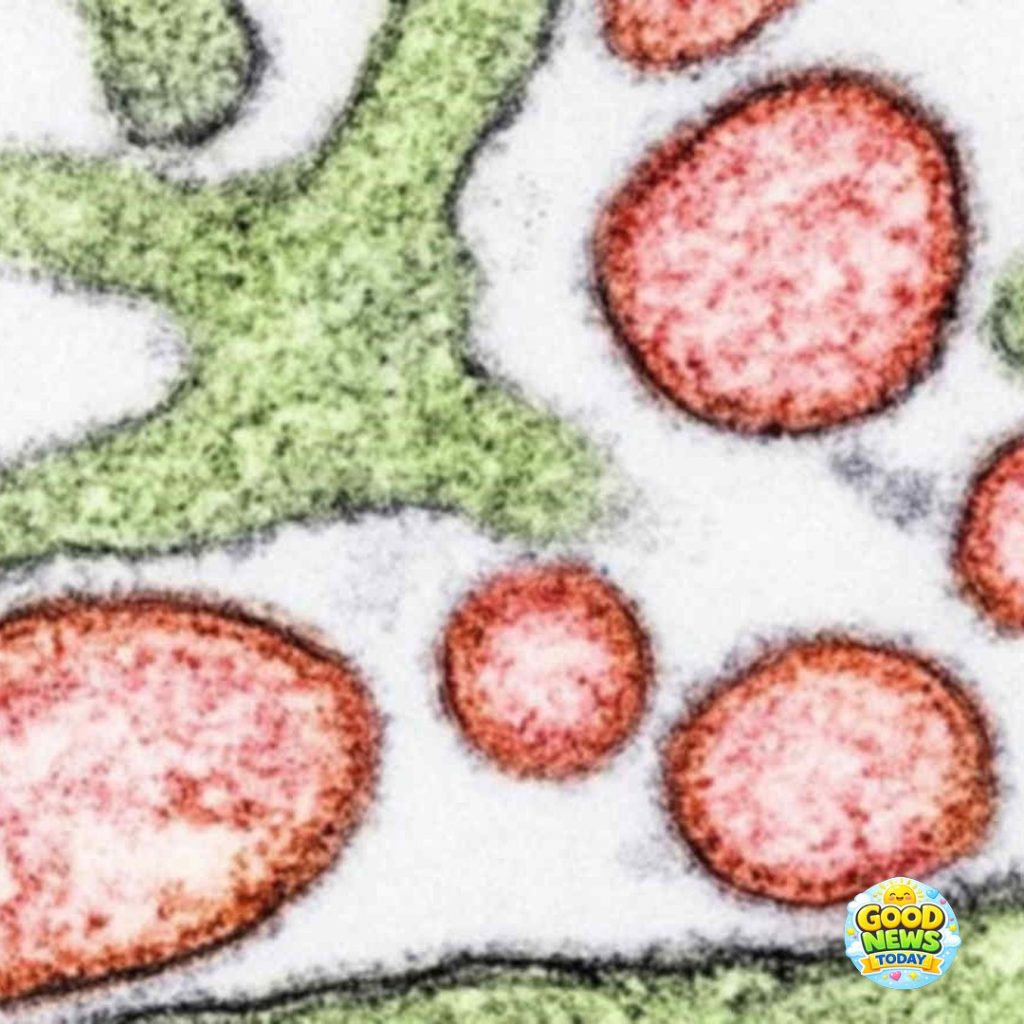
In January, India experienced a mini-outbreak of the Nipah virus, a serious illness often transmitted through contact between humans and animals. This outbreak highlighted the urgent need for effective treatments, as no specialized cure for the Nipah virus exists beyond standard supportive care, which includes managing symptoms, ensuring rest, and maintaining hydration.
While some well-known antiviral medications such as ribavirin, remdesivir, acyclovir, and favipiravir have been used during past outbreaks, their effectiveness remains uncertain. However, hope is on the horizon!
The University of Tokyo’s Research Center for Advanced Science and Technology has made significant strides by developing a promising vaccine for the Nipah virus. This innovative approach involves incorporating genetic material from the virus into a modified version of the measles vaccine. Early trials conducted on hamsters have indicated that this experimental vaccine is both safe and effective.
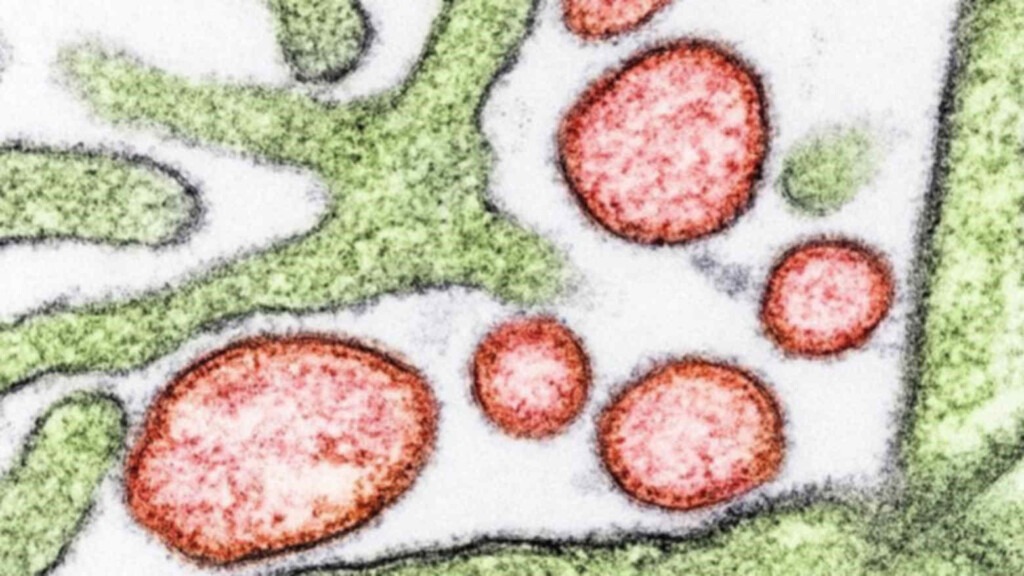
With Nipah virus fatality rates ranging from 40% to 75%, and its common transmission occurring through contact with bats, often via contaminated tree fruit, the urgency for a solution is clear. The virus is mostly found in tropical regions and rural areas where access to medical care can be limited.
Excitingly, the vaccine candidate from Tokyo University is headed to Belgium for Phase 1 human trials, which are set to commence in April. This important testing will be conducted with the support of a nonprofit organization called the European Vaccine Initiative, involving 60 participants to assess the vaccine’s safety.
Let’s share the news about this potential preventive measure against a disease that poses significant risks in tropical regions. Progress is being made, and optimism is in the air!