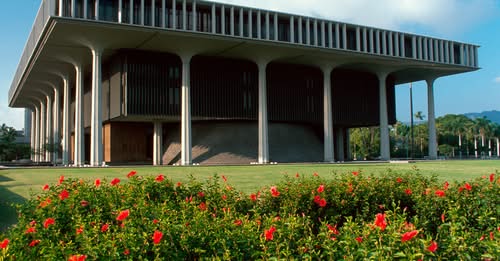
In a move that has sparked widespread discussion across Hawaii and beyond, the state is considering S.B. 2471, a bill that aims to reshape how corporations operating within Hawaii can influence politics and public policy. The legislation has garnered attention for its sweeping redefinition of corporate powers and potential impacts on political spending and influence.
What does S.B. 2471 do? The bill proposes to significantly redefine the legal authority granted to corporations in Hawaii. Specifically, if passed, Hawaiʻi would no longer authorize corporations to spend money to influence political campaigns and elections within the state. This would mark a notable departure from existing laws that permit corporate expenditures in political activities, regulation that has often been a contentious point in campaign finance debates nationwide.
Notably, the bill emphasizes that it does not regulate what corporations can say or spend. Instead, it fundamentally alters the scope of corporate powers—particularly stripping away the ability for corporations to directly use financial resources to sway voters or political decisions. This change is often viewed as an effort to curb the influence of corporate money in Hawaii’s political landscape, aligning with broader national conversations about the need for campaign finance reform and transparency.
However, critics argue that by excluding regulations on speech or spending, S.B. 2471 might not fully address concerns about corporate influence. They contend that corporations could still engage in political speech—such as issue advocacy—without restrictions, potentially leading to an uneven playing field where financial leverage is diminished, but the capacity to shape political discourse remains.
Supporters, on the other hand, suggest that this legislation could promote a more transparent and equitable political environment. By limiting corporate expenditures in elections, Hawaii may reduce the outsized influence of big money and foster a campaign landscape that better represents individual voters and community interests.
Legal experts are watching closely, as the bill could set a precedent for other states grappling with similar issues. If enacted, it might challenge existing legal frameworks surrounding corporate political activity and stimulate further debate about the balance between free speech and financial influence in politics.
What’s next? The fate of S.B. 2471 remains uncertain. The legislation has sparked debates among lawmakers, advocacy groups, and the public. As the bill moves through legislative channels, observers are eager to see whether it will pass into law and how it might reshape Hawaii’s political landscape in the years to come.