A remarkable cherry twig that defies all odds by sprouting anew, a once-diseased swamp flourishing with abundant life, an ox’s broken leg miraculously healed, and cabbages multiplying effortlessly—these are just a few of the extraordinary yet often overlooked miracles attributed to the Augustinian Order during the medieval era, as revealed by Dr. Krisztina Ilko.
Dr. Ilko, a medieval historian from Queen’s College, emphasizes that while tales of bleeding hosts and stigmatizations are well-known, the miracles associated with the Augustinians are more closely tied to agriculture and the beauty of nature. This newfound focus comes at a significant moment, as one of their own, Leo XIV, has just become the first Augustinian Pope.
“With Leo XIV’s election, it’s an ideal opportunity to highlight the remarkable history of the Augustinians,” Dr. Ilko stated. “Historically, there’s been a strong emphasis on urban centers in Italy, causing us to overlook the vital role the countryside played in the Church and the Renaissance.”
Dr. Ilko’s decade-long exploration took her through numerous archives and over sixty Augustinian sites, including some of Italy’s most remote ruins. Her research uncovered treasures in frescoes, illuminated manuscripts, hagiographies, and letters, revealing that many ancient documents had been misattributed or misdated, which obscured the Augustinians’ miraculous contributions.
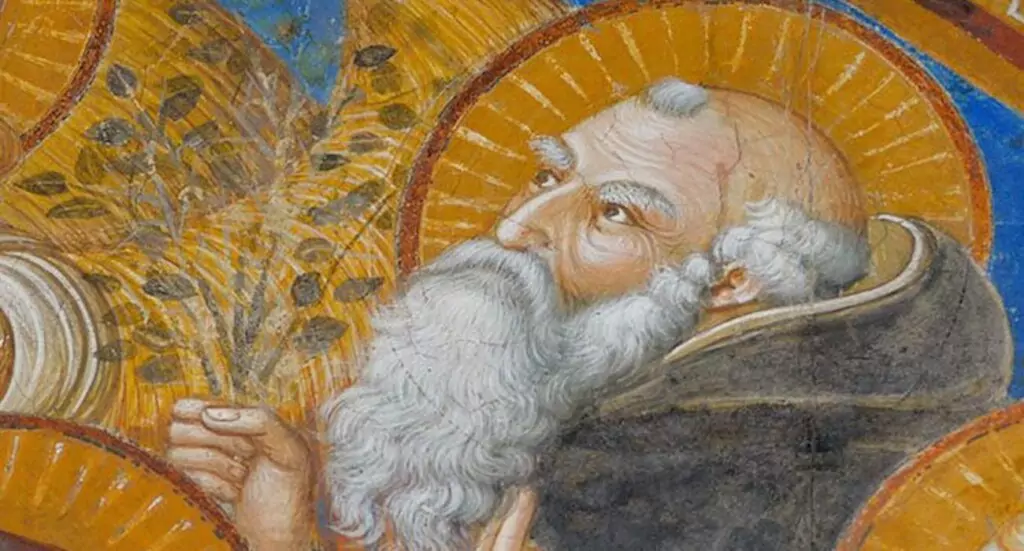
Among her findings is an early collection of Augustinian life stories penned by a Florentine friar in the 1320s, previously dismissed by scholars due to its rural themes. This manuscript, now housed in the Biblioteca Medicea Laurenziana in Florence, opens with the tale of Giovanni of Florence, who, with the help of local farmers, established the Augustinian hermitage of Santa Lucia in Larniano. One of his most notable miracles involved healing an ox with a broken leg, while another story recounts Jacopo of Rosia commanding a fickle apple tree to bear fruit annually and even multiplying cabbages.
“When people consider the impact of religious orders during the Renaissance, they often focus on cities like Rome, Florence, and Siena,” Dr. Ilko observes. “The Franciscans and Dominicans, in particular, are credited for driving urban renewal starting in the 1200s. However, many overlook how much influence the Augustinians derived from the countryside, where their miracles were deeply rooted in agriculture.”
Dr. Ilko believes that this agricultural focus deserves recognition, especially when considering the stark contrast between figures like Saint George, a renowned dragon slayer celebrated in countless artworks, and Guglielmo of Malavalle, a humble 12th-century hermit revered by the Augustinians for defeating a dragon with a simple wooden staff shaped like a pitchfork.
In a time when livestock, crops, and people faced numerous challenges, the Augustinians’ miracles stand as a testament to the power of nature and community, reminding us of the vital connection between spirituality and the earth.