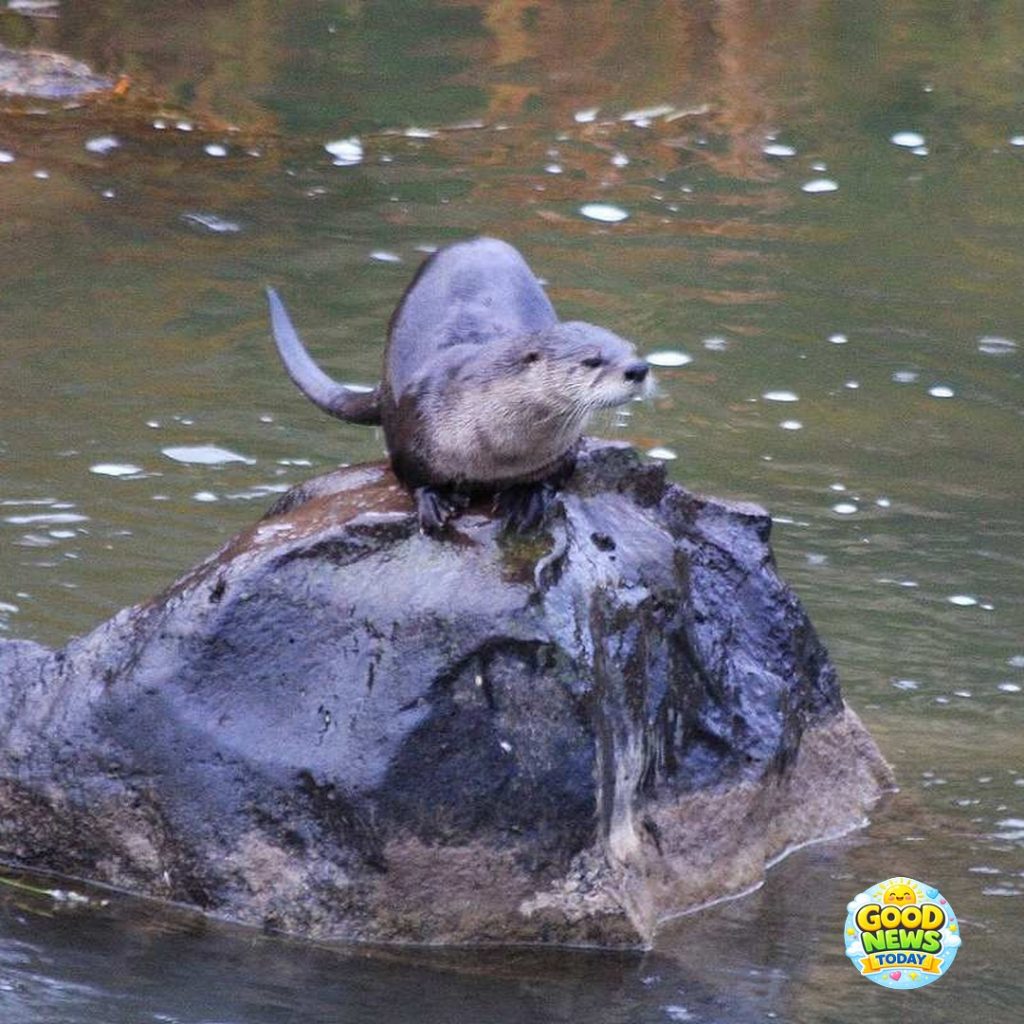
In 1986, Ohio’s Department of Natural Resources took a monumental step by reintroducing North American river otters to the pristine rivers, creeks, and shorelines of the Great Lakes ecosystem.
Fast forward 40 years, and these charming apex predators have successfully made their way back to much of their original habitat across Ohio, New York, Michigan, and Ontario. This resurgence has not only reinstated them at the top of the food chain but has also reinforced ecosystem restoration efforts from the ground up.
The Great Lakes region is a remarkable treasure, containing one-fifth of the world’s fresh water. This expansive ecosystem supports tens of millions of people, contributes billions to the economy, and is home to a diverse array of animal and plant species.
However, the path to recovery for otters has not been without challenges. As industrialization diminished their prey and destroyed vital den habitats, hunting significantly reduced their numbers. By 1980, a study revealed that river otters were locally extinct in 11 states, with substantial population declines in 9 others.
This narrative is unfortunately common across the globe, but thankfully, it appears to be turning a corner toward a brighter future.
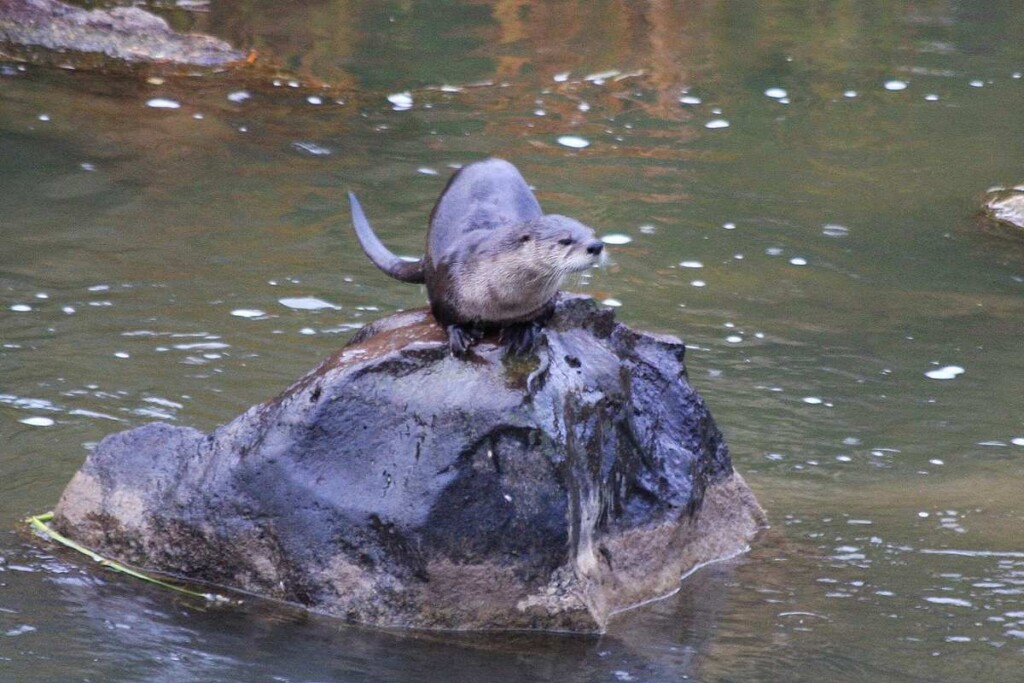
With the Ohio DNR leading the way by releasing river otters from southern states like Arkansas and Louisiana, New York followed suit by relocating otters from the Adirondacks, Hudson Valley, and Catskills into the tributaries of the western Great Lakes. This collaborative effort has been supported by the landmark 1972 Great Lakes Water Quality Agreement, a US-Canada treaty aimed at reducing toxic discharges and restoring damaged habitats.
The gradual revitalization of waterfront areas and a shift away from industrial practices have allowed otters to return beyond protected streams, venturing back into the heart of the Great Lakes ecosystem. This comeback signifies not just the return of the otters but also cleaner waters, abundant fish stocks, and more diverse river habitats.
GNN has highlighted the transformation of several Midwest rivers, once so polluted that they were deemed hazardous, which are now safe for swimming and fishing. This positive change greatly benefits the otters and their thriving environment.
While North American river otters remain somewhat rare or absent in the southwestern United States, encouraging signs are emerging. Despite challenges related to water quality and development, populations in areas like New Mexico have tripled in recent years.
Let’s celebrate this North American icon as it gracefully swims once again in our lakes!

