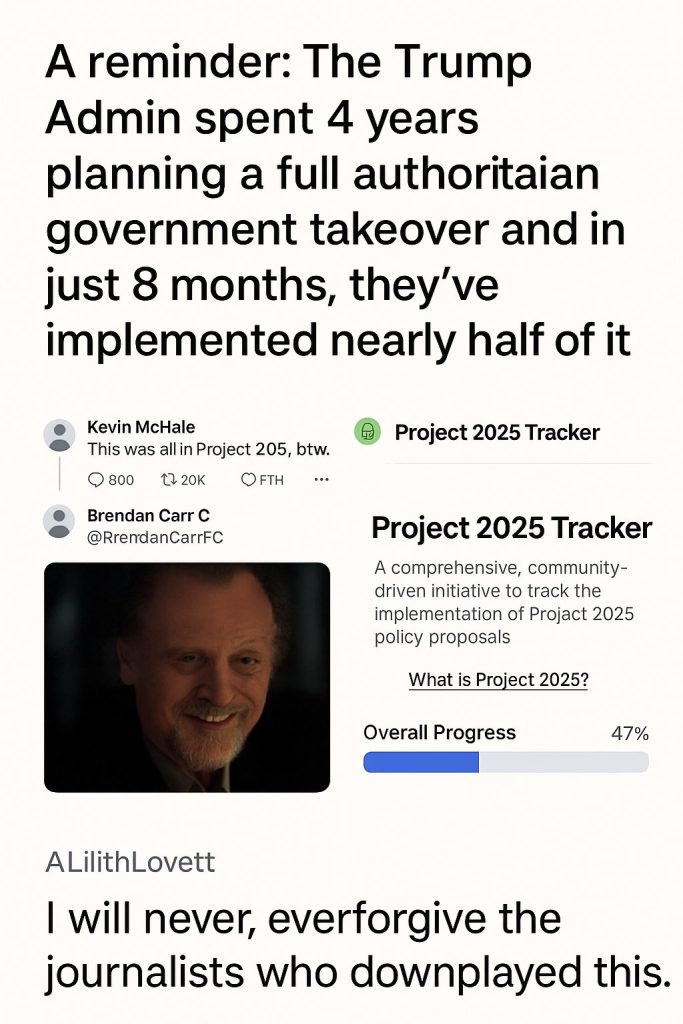
In a striking reminder of the tumultuous political climate that has gripped the United States, California Governor Gavin Newsom took to social media, asserting that the Trump administration spent four years meticulously planning a full authoritarian takeover of the U.S. government. The bold statement, shared via the official Governor’s Press Office account, has ignited discussions on social media, with users weighing in on the veracity of the claim and its implications for American democracy.
The statement from Newsom builds on a substantial body of criticism aimed at former President Donald Trump’s governing style, which many opponents argue undermined democratic norms. According to Newsom’s tweet, the echo of authoritarian strategies became increasingly apparent during Trump’s tenure in the White House, prompting concerns about the erosion of civil liberties and checks and balances within the government.
As the tweet spread across platforms like Twitter, users were quick to react—some applauding Newsom’s candor while others fiercely defended Trump, arguing that the accusations were exaggerated and politically motivated. The discourse around this tweet underscores the ongoing polarization in the U.S. political landscape, with many Americans continuing to grapple with their trust in government institutions.
Governor Newsom’s remarks come at a crucial time as the nation prepares for upcoming elections, where issues of governance, democracy, and personal freedoms are set to take center stage. Many see the rhetoric as more than just a political jab; it serves as a rallying cry for those who believe that safeguarding democracy requires constant vigilance against authoritarian tendencies, which they perceive as a threat stemming from the Republican Party’s past leadership.
The tweet has sparked a broader conversation about the legacy of the Trump administration. Supporters tout achievements such as tax reform and judicial appointments, while detractors emphasize the alarming instances perceived as overreach and a departure from democratic values—particularly during moments like the Capitol riot on January 6, 2021, and Trump’s manipulative rhetoric surrounding the 2020 election.
In the wake of this debate, experts on democratic governance have weighed in on the potential long-term effects of such authoritarian impulses on American society. According to political scientist Dr. Ellen Rodriguez of Stanford University, “the Trump era has left a lasting imprint on how many Americans view their government, with significant portions feeling disillusioned by perceived corruption and an erosion of trust.”
As the public discourse continues to evolve, Newsom’s tweet serves as a reminder of the deep divisions that exist within the country and the ongoing battle over the narrative surrounding American governance. Whether such assertions have a significant impact on the upcoming elections remains to be seen, but one thing is clear: the specter of authoritarianism continues to loom large in the minds of voters from all walks of life.