
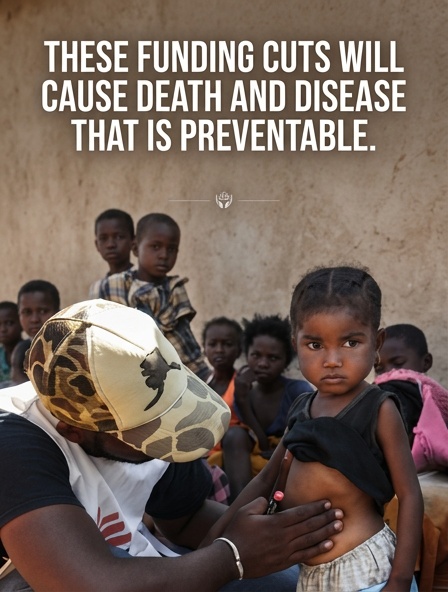
The recent decision by policymakers to drastically cut funding for vital health programs has sparked widespread concern among healthcare professionals, advocates, and communities across the nation. Experts warn that these reductions will lead to an increase in preventable deaths and diseases, undoing years of progress in public health.
At the heart of the controversy are budget cuts targeting key areas such as infectious disease prevention, maternal and child health, and community health programs. These initiatives have historically played a crucial role in reducing mortality rates, controlling outbreaks, and ensuring vulnerable populations receive necessary care.
Public health officials warn that these reductions could have catastrophic consequences. Without adequate funding, the capacity of health departments to conduct vaccination campaigns, provide screenings, and respond to disease outbreaks diminishes dramatically. For example, cuts to immunization programs threaten the progress made in eradicating or controlling diseases like measles, whooping cough, and influenza. These diseases can quickly resurface when vaccination rates decline, potentially causing outbreaks that could have been prevented with proper immunization efforts.
Beyond infectious diseases, the impact extends to chronic illnesses such as diabetes and heart disease, where prevention and early intervention are vital. Community clinics that serve low-income populations face closure or reduced hours, cutting off access to essential screenings and treatments. As a result, preventable complications and deaths are expected to increase.
Patients and advocacy groups fear that these budget cuts will disproportionately affect marginalized communities—those who already face significant barriers to healthcare access. “When funding is slashed, it’s the most vulnerable who suffer the most,” says Dr. Maria Jensen, a public health expert. “Preventable illnesses will become more severe, and needless deaths will rise.”
Moreover, the economic burden of increased hospitalizations and long-term care resulting from neglected health needs could outweigh the savings achieved through budget reductions. Critics argue that these cuts reflect a shortsighted approach that sacrifices public health for short-term fiscal gains.
As the nation confronts these looming threats, many healthcare advocates are calling for reconsideration of these funding decisions. They urge policymakers to prioritize preventive care and community health initiatives, emphasizing that investing in health prevention saves lives and money in the long run.
It remains to be seen how these funding decisions will reshape the health landscape in the coming months. What is clear, however, is that neglecting preventive measures and essential health services will lead to a rise in deaths and diseases that could otherwise be avoided—costing lives, families, and the nation itself dearly.
Where to Learn More
- CDC Public Health Policy and Funding – Centers for Disease Control and Prevention
- The Hidden Costs of Public Health Funding Cuts – Health Affairs
- World Health Organization: Vaccination and Disease Prevention
- Kaiser Family Foundation: Impact of Funding Cuts on Public Health