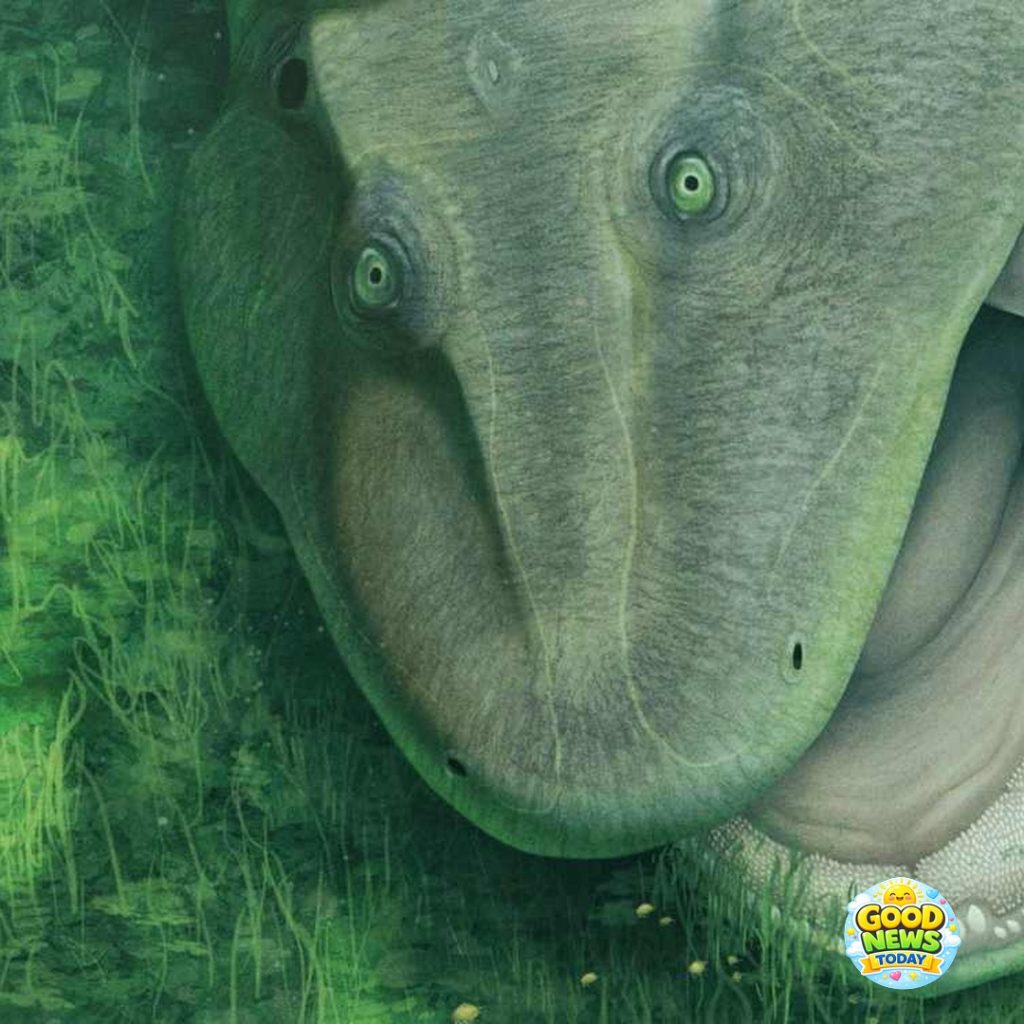
The fascinating fossilized remains of a unique creature with a twisted jaw and sideways-facing teeth have been found in the lush Amazon jungle. This remarkable discovery shines a light on a plant-eating reptile now referred to as Tanyka, which existed around 275 million years ago, making it a true testament to nature’s diversity.
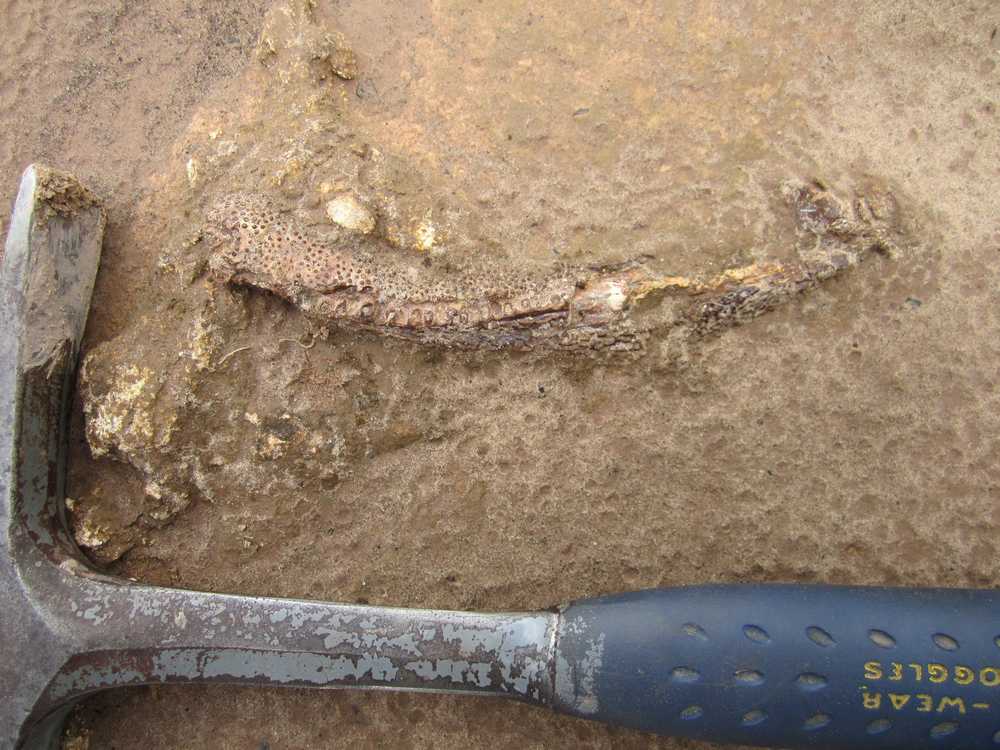
An international team of paleontologists has recently unveiled this intriguing species after analyzing nine bones located in a dry riverbed in Brazil. These jawbones exhibit a peculiar twist, with some teeth jutting out and facing sideways, while smaller teeth line the inner jaws. This adaptation indicates that these creatures were among the earliest to develop the ability to grind up vegetation for nourishment.
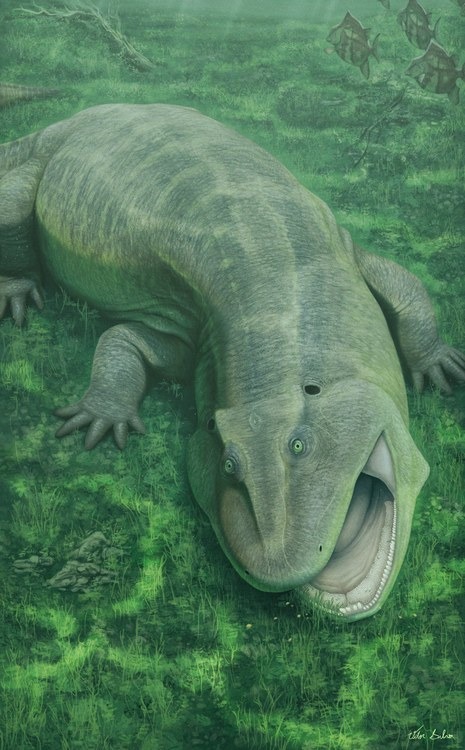
The newly identified species, documented in the journal Proceedings of the Royal Society B, has been named Tanyka amnicola. The name Tanyka stems from the local Indigenous Guaraní language, meaning “jaw,” while amnicola translates to “living by the river.” This nomenclature beautifully reflects the creature’s habitat and characteristics.
Dr. Jason Pardo, the lead author of the study from the Field Museum in Chicago, expressed excitement about the jaw’s unusual twist, which puzzled researchers for years. Initially suspected to be a deformity, they later confirmed that all nine jaw specimens shared this distinctive feature, indicating it was a natural characteristic of the species.
Tanyka is part of a broader family known as tetrapods—four-legged animals with backbones that include modern reptiles, birds, mammals, and amphibians. The oldest tetrapod lineage, referred to as stem tetrapods, eventually branched into two groups: those that laid eggs outside of water and those that required a moist environment for their eggs.
The descendants of the group that adapted to land include today’s reptiles, birds, and mammals, while amphibians like frogs and salamanders are related to those that needed water for reproduction. Remarkably, Tanyka represents a surviving member of the stem tetrapod lineage, even after more modern tetrapods emerged. Dr. Pardo likens Tanyka to a platypus—a living fossil from its era.
While much about Tanyka, including its body shape, remains shrouded in mystery, researchers hypothesize that it may have resembled a salamander with a slightly elongated snout based on comparisons with its close relatives. However, Dr. Ken Angielczyk, a co-author of the study and curator of paleomammalogy at the Field Museum, points out that until more complete skeletons are unearthed, the connection between the bones found near the jawbone and the species remains uncertain.
Though the exact size of Tanyka is still unknown, this discovery opens the door to a greater understanding of our planet’s rich evolutionary history and the incredible creatures that once roamed it. Each fossil unearthed brings us one step closer to unlocking the secrets of the past, reminding us of the wonders of life that have existed long before us.