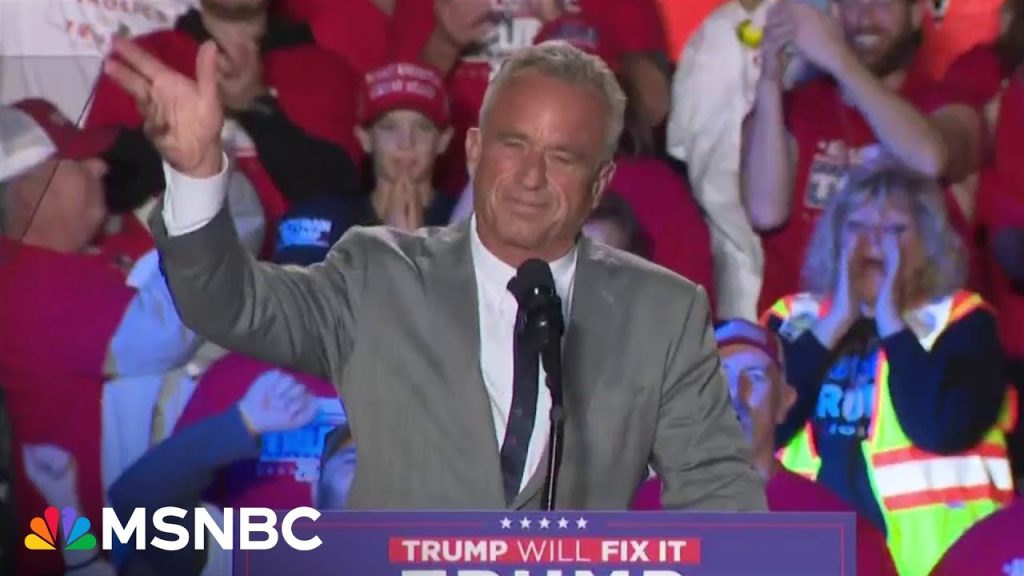
In a recent conversation that sparked widespread concern, former Health and Human Services Secretary Kathleen Sebelius expressed deep worries about the nomination of Robert F. Kennedy Jr. to lead the very agency that manages critical public health functions. Specifically, she labeled the prospect of his leadership as “absolutely terrifying,” highlighting the potential dangers posed by his long-standing opposition to vaccines and public health initiatives.

The discussion centers around Kennedy’s controversial stance on vaccines, which he has condemned as unsafe, despite overwhelming scientific consensus on their efficacy and safety. His nomination has ignited fierce debate, particularly among health experts and advocates who argue that his views could undermine the integrity of health policy in the United States.
Sebelius articulated her concerns during an interview where she emphasized that the Department of Health and Human Services (HHS) oversees crucial programs affecting all Americans. From nutrition guidelines to disease control, the HHS plays an instrumental role in safeguarding public health from birth through old age. In her opinion, Kennedy’s tenure could not only disrupt existing health protocols but also pose life-threatening risks to vulnerable populations, including children, who rely on immunizations to prevent serious illnesses.
“This could be very dangerous,” Sebelius stated, strongly condemning Kennedy’s lack of faith in vaccines. She pointed out that leadership of such a vital agency requires a commitment to evidence-based practices that protect public health, not propagate falsehoods that could lead to people willingly embracing preventable diseases.
Additionally, Kennedy’s long-standing advocacy for policies that threaten to defund multiple departments within HHS has raised alarms. He has reportedly suggested dismantling the FDA’s nutrition program and other critical public health resources. This approach poses risks not only to healthcare providers but also to the overall well-being of the populace. Critics fear that such drastic measures would cripple the agency’s ability to respond effectively to health crises and could exacerbate ongoing public health challenges, such as the rising rates of preventable diseases attributed to vaccine hesitancy.
Underlining the severity of this issue, Sebelius argued, “It’s totally disqualifying for anyone who seeks to lead the major health agency in this country and one of the leaders in the world” if they publicly dismiss the safety and efficacy of vaccines from such a powerful platform. The repercussions of such beliefs could extend well beyond mere policy adjustments, potentially leading to increased illness and health costs for families and communities.
The ripple effects of Kennedy’s leadership could include eroding trust in public health institutions, particularly among the communities most impacted by misinformation about vaccines. With a federal budget that encompasses billions directed towards health initiatives, the prospect of leadership at HHS that prioritizes ideology over science raises the stakes for every American.
In conclusion, as the debate around Kennedy’s nomination intensifies, it becomes increasingly evident that the nomination of someone with his beliefs to a position as pivotal as the HHS Secretary could have far-reaching and dire implications. As the country continues to navigate through ongoing public health challenges, the integrity, expertise, and trustworthiness of its health leadership remain more important than ever.