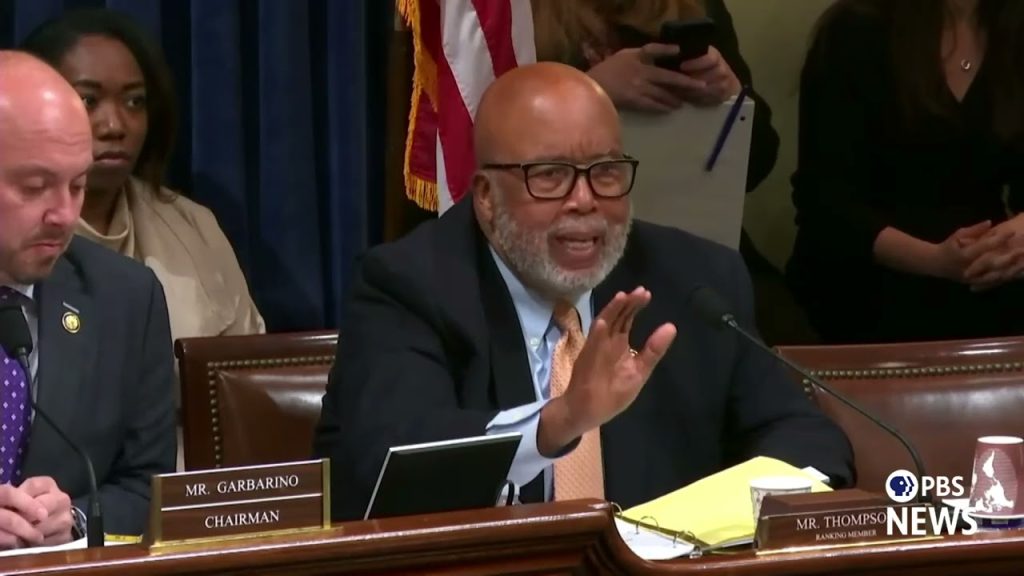
Recent discussions about domestic terrorism in the United States have highlighted intense political debate regarding the nature and scale of threats posed by various extremist groups. A notable moment captured public attention when an FBI official was reportedly challenged on their statements about antifa being the leading terrorist threat in the country. This development sheds light on the complexity of categorizing and addressing domestic extremism within the current political landscape.

Antifa, short for “anti-fascist,” is a loosely affiliated movement known for its opposition to far-right ideologies and activities. Unlike centralized extremist groups, antifa lacks formal leadership or membership, which complicates efforts to define its actions within the framework of terrorism. Claims about its status as the top U.S. terrorist organization have spurred vigorous discourse, often polarized along ideological lines.
Historically, the FBI and other law enforcement agencies have tracked domestic threats stemming from a variety of groups, including far-right militias, white supremacist organizations, and other fringe entities. The designation of a “top” domestic terrorist threat is based on intelligence assessments, recent activity, and potential for violence. This assessment can influence national security priorities and law enforcement resource allocation.
The political context surrounding these discussions is further complicated by differing opinions on free speech, protest rights, and the role of law enforcement in monitoring politically motivated groups. Critics argue that labeling antifa as the preeminent threat risks oversimplification and misdirection of attention away from other persistent dangers, while supporters assert the group’s involvement in violent confrontations necessitates heightened scrutiny.
Understanding the full scope of domestic terrorism threats requires careful examination of government reports, expert analyses, and ongoing law enforcement investigations. The debate also touches on broader concerns about political polarization and the challenge of addressing violence without infringing on constitutional rights.
Where to Learn More
- U.S. Department of Justice – Overview of efforts to combat domestic terrorism
- FBI Domestic Terrorism Resources – FBI’s official information on domestic terror threats
- CNN Politics on Antifa – Comprehensive news coverage and analysis
- Brookings Institution – Research and policy papers on U.S. domestic terrorism
- Anti-Defamation League (ADL) – Tracking extremism and hate groups in the U.S.